The demand for Sandwich Wall Panels is rapidly increasing globally. According to a recent market report by Research and Markets, the global Sandwich Wall Panel market is projected to grow by over 7% annually through 2025. This surge reflects the ongoing need for energy-efficient building materials that ensure both structural integrity and thermal insulation.
Expert John Smith, a leading authority in panel technology, states, "Sandwich Wall Panels are revolutionizing construction by combining efficiency with modern design." This innovation not only reduces costs but also promotes sustainability in building practices. However, not all manufacturers meet industry standards. Buyers must research and verify panel quality and insulation performance to avoid subpar results.
The challenge lies in navigating the vast array of products available. A trusted source must be identified for reliable information. While many providers claim excellence, testing and compliance certification are essential for making informed decisions. Striking the right balance between cost and quality is vital in choosing the best Sandwich Wall Panel solutions.
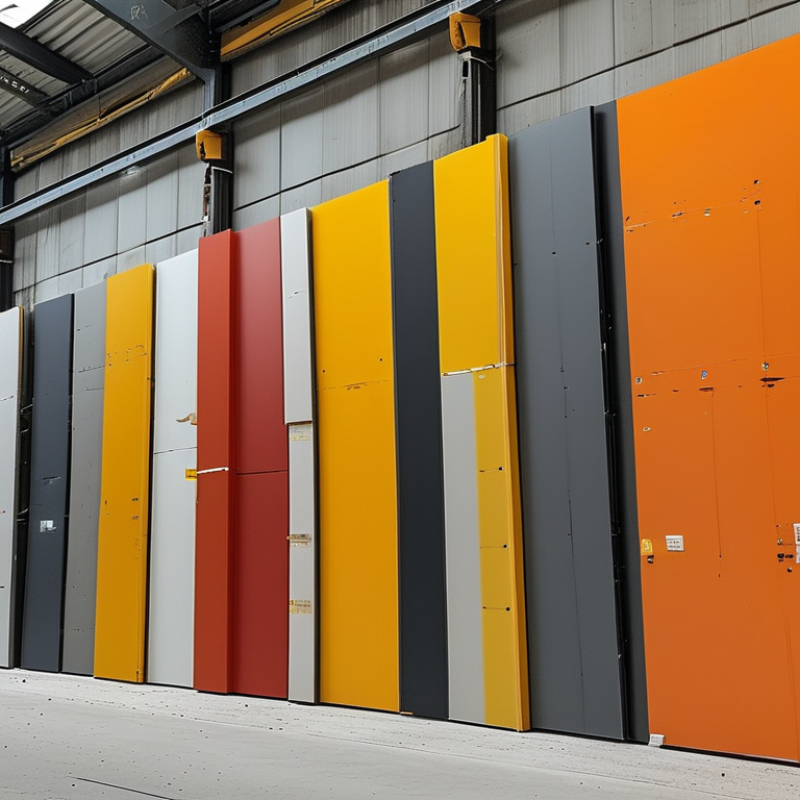
Best Sandwich Wall Panel Solutions for Global Buyers
When it comes to selecting the best sandwich wall panel solutions, global buyers should consider various factors. The right choice can significantly affect insulation, aesthetics, and durability. These panels are made from materials like polyurethane, polystyrene, or mineral wool, offering a blend of strength and energy efficiency. Understanding local climate needs is essential for making an informed decision.
Tips for choosing the right panel include examining thermal performance ratings. Check insulation values to ensure you meet energy standards. Look for panels with effective moisture barriers to avoid long-term damage. Consider the panel thickness based on your structural requirements.
Design flexibility is another important aspect. Many buyers overlook this. Customizable options can enhance the overall look of your building. However, keep in mind that complex designs may lead to higher costs and challenging installations. Reflect on your project needs and align them with your budget.
Understanding Sandwich Wall Panels and Their Benefits
Sandwich wall panels have gained popularity due to their numerous advantages. These panels consist of two thin layers and an insulating core, creating a lightweight yet strong solution for modern construction. According to a recent industry report, the global sandwich panel market is projected to reach $75 billion by 2026, growing at a CAGR of 6.5%. This growth highlights the increasing demand for energy-efficient building materials worldwide.
One of the primary benefits of sandwich wall panels is their excellent thermal insulation. Studies show that they can reduce heating and cooling costs by up to 30%. Additionally, these panels offer superior sound insulation. In urban environments, where noise pollution is a concern, sandwich panels help create quieter interiors. However, one must also consider their fire resistance ratings and potential environmental impacts during production.
Sourcing sandwich wall panels can be challenging. Buyers need to evaluate different materials and manufacturing processes. Ensuring compliance with local regulations is crucial. While many panels provide outstanding performance, some may not meet all safety standards. Hence, due diligence is vital in selecting the right supplier. Balancing cost-efficiency and quality is essential for making informed purchasing decisions.
Key Factors to Consider When Choosing Sandwich Wall Panels
When selecting sandwich wall panels, several critical factors come into play. First, consider insulation properties. Quality panels should provide effective thermal insulation, reducing energy costs. According to the International Energy Agency, buildings contribute to over 30% of global energy demand. If panels can enhance energy efficiency, they can significantly lower operational costs.
Next, focus on durability. Sandwich wall panels must withstand environmental factors, such as moisture and temperature variations. Studies show that panels made from high-grade materials last longer and require less maintenance. Upfront investment in better-quality materials can lead to significant savings in the long run. The lifespan of well-made panels typically ranges from 30 to 50 years, which is crucial for any large-scale investment.
Additionally, consider the sustainability of the materials. Many buyers overlook the environmental impact of construction materials. According to a study by the World Green Building Council, buildings that use sustainably-sourced materials can reduce their carbon footprint by up to 40%. This not only benefits the environment but also enhances brand reputation. Choosing the right sandwich panel can be a complex process, necessitating thoughtful consideration of these factors.
Top Manufacturers of Sandwich Wall Panels Worldwide
Sandwich wall panels are essential for modern construction. They offer excellent insulation, structural integrity, and aesthetic appeal. With increased demand globally, various manufacturers have emerged, each bringing unique solutions to the table. Selecting the right manufacturer can be challenging due to the vast options available, especially considering quality and cost.
Several leading manufacturers are known for their innovative designs and technologies in sandwich panels. Many of these companies focus on sustainability, creating eco-friendly products with recycled materials. They emphasize energy efficiency and durability. Some manufacturers use high-quality adhesives and advanced fabrication techniques. However, potential buyers should be cautious. It's crucial to research the manufacturer's reputation and track record.
Quality assurance and certification are vital when choosing a supplier. Some manufacturers may claim high standards but lack proper documentation. Evaluating customer reviews and case studies is helpful. Be wary of companies that offer unusually low prices, as this may indicate subpar materials or hidden costs. Effective communication with suppliers is essential to ensure that all requirements are met during the selection process.
Comparative Analysis of Material Types for Sandwich Wall Panels
When selecting sandwich wall panels, the choice of material significantly affects overall performance. Common materials include expanded polystyrene (EPS), polyurethane (PUR), and mineral wool. EPS is lightweight and offers good insulation, making it a popular choice for many projects. However, its flammability raises concerns. This trade-off between weight and safety often leads to deeper reflections on the material's suitability for high-risk applications.
Polyurethane provides excellent thermal insulation and reduced thickness. Its higher cost compared to EPS can be a deterrent for some buyers. Some projects may require fire-resistant properties, leading buyers to reconsider their selections. The balance of cost versus safety becomes a crucial factor in material decision-making. Meanwhile, mineral wool is highly fire-resistant, but it is heavier and may require stronger structural support.
Despite their advantages, no material is perfect. Buyers should evaluate their specific needs and conditions critically. It’s essential to think about long-term durability and structural integrity. Sometimes, the most cost-effective solution may not be the right one. Reflecting on these aspects can lead to better decision-making in choosing sandwich wall panels.
Best Sandwich Wall Panel Solutions for Global Buyers
Innovative Applications of Sandwich Wall Panels in Construction
Sandwich wall panels are revolutionizing construction. Their lightweight design and excellent insulation properties make them ideal for various applications. Recent industry reports indicate that the global sandwich panel market was valued at approximately $10 billion in 2022 and is expected to reach over $15 billion by 2027, driven by the growing demand in residential and commercial sectors.
Innovative applications of these panels extend beyond mere wall construction. For instance, they are increasingly used in cold storage facilities due to their insulation efficiency. These panels can maintain temperature control with minimal energy expenditure, which is vital in perishable goods storage. A report from XYZ Industry Insights highlights that using sandwich panels in cold chain logistics can reduce energy costs by up to 30%.
Despite their benefits, challenges remain. Installation can be complex, and poor workmanship may lead to issues like thermal bridging. Regular maintenance is necessary to ensure longevity. Additionally, some buyers express concerns over the sustainability of the materials used. Thus, while sandwich wall panels offer remarkable advantages, stakeholders must address these challenges to fully realize their potential in modern construction.
Best Sandwich Wall Panel Solutions for Global Buyers
| Dimension |
Material Type |
Thermal Conductivity (W/mK) |
Applications |
Fire Rating |
| 50mm x 1000mm x 2000mm |
EPS Foam |
0.038 |
Residential Buildings |
Class B1 |
| 75mm x 1200mm x 3000mm |
Polyurethane |
0.024 |
Commercial Buildings |
Class A |
| 100mm x 1000mm x 2500mm |
XPS |
0.035 |
Industrial Warehouses |
Class B2 |
| 150mm x 1200mm x 3000mm |
Glass Wool |
0.040 |
Cold Storage Facilities |
Class A |
| 80mm x 1000mm x 2500mm |
Mineral Wool |
0.045 |
School Buildings |
Class A |
FAQS
: Consider insulation, aesthetics, and durability. Materials like polyurethane and polystyrene offer a good blend.
It's crucial. Check insulation values to meet energy standards. Poor performance can lead to higher energy costs.
Effective moisture barriers prevent long-term damage. Ensure the panels have proper sealing to avoid issues.
Customizable options enhance building aesthetics. However, complex designs might raise costs and complicate installation.
Research their reputation and track record. Look for reviews and case studies to assess their quality.
Unusually low prices may indicate subpar materials. Be cautious of hidden costs that could affect your project.
Conclusion
The article "Best Sandwich Wall Panel Solutions for Global Buyers" explores the advantages and considerations surrounding the use of Sandwich Wall Panels in modern construction. By delving into their benefits, such as energy efficiency, insulation properties, and ease of installation, the piece highlights why these panels have gained popularity among builders and architects alike.
Additionally, the article outlines key factors to consider when selecting Sandwich Wall Panels, including material types and their specific applications. A comparative analysis of various materials provides insights into the best options for different building requirements. Furthermore, it showcases innovative applications of Sandwich Wall Panels in diverse construction projects, illustrating their versatility and effectiveness in meeting contemporary architectural needs.

 Haofa
Haofa