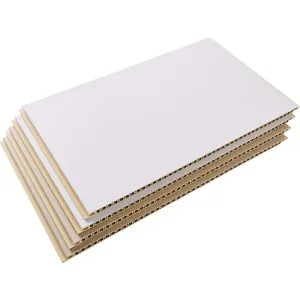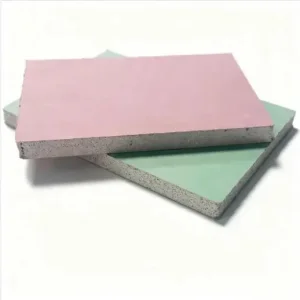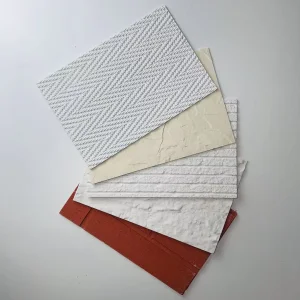
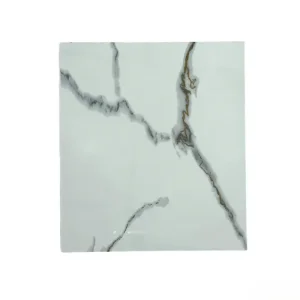
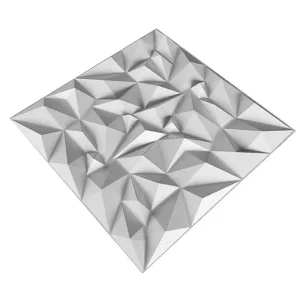
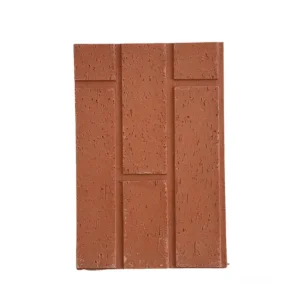
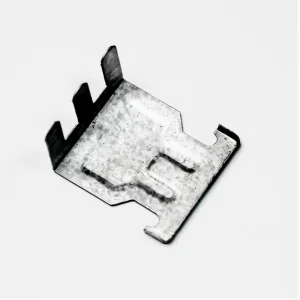
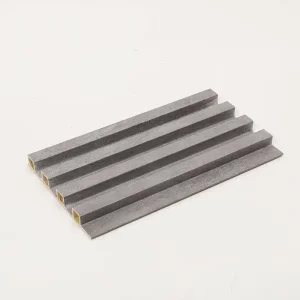
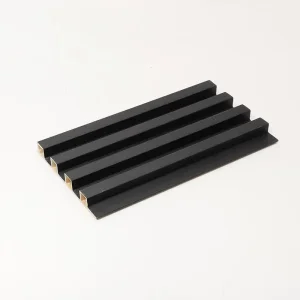
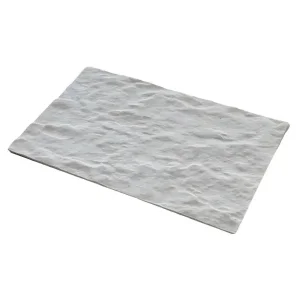
In the contemporary landscape of civil engineering and sustainable architecture, material specification is shifting decisively toward solutions that balance low carbon footprints with advanced structural performance. Flexible Stone, fundamentally composed of Modified Clay Materials (MCM), represents a revolutionary paradigm shift in architectural cladding. By utilizing inorganic soil, slate tailings, and stone dust as primary raw materials, combined with high-polymer modifiers and processed via low-temperature cross-linking activation, MCM creates a highly durable, flexible cladding element that simulates the visual, mechanical, and tactile properties of natural quarry stone, concrete, and ceramic tiles.
Traditional cladding configurations, particularly dimensional natural stone or heavy ceramic tiles, present significant structural challenges, including substantial dead-load stresses, risk of adhesive shear failure at high elevations, and immense carbon consumption during quarrying and high-temperature kiln firing. MCM Flexible Stone mitigates these liabilities. With a typical thickness of only 2mm to 5mm and an average structural weight of 3 to 6 kg/m², it reduces structural load calculations by up to 90% compared to traditional 20mm granite panels. This physical weight reduction contributes directly to safety margins in high-rise buildings and seismically active zones, while dramatically lowering transport-related carbon emissions.
The manufacturing process of MCM avoids traditional high-temperature kilns, which typically run at 1200°C for ceramics. Instead, MCM technology employs a computerized low-temperature molding, baking, and cross-linking cycle (typically between 120°C and 160°C). This low-temperature synthesis utilizes natural mineral clays modified by water-soluble polymers, which are structured and cross-linked via specialized physical-chemical surface modification. The resulting matrix creates a microporous structure that is highly hydrophobic yet maintains vapor permeability (breathability). The composite resists ultraviolet radiation, structural expansion, and moisture ingress, assuring a service life that matches or exceeds the design lifespan of the host structure.
Exploring how Modified Clay Materials (MCM) and lightweight modular systems solve modern engineering challenges across distinct regional climates and structural configurations.
In high-density urban environments, exterior facades are subject to intense wind load pressures, temperature fluctuations, and structural deflection. Standard ceramic tile claddings run the risk of cohesive failure in adhesive layers, leading to dangerous detachment events. MCM Flexible Stone exhibits an elongation at break that permits thermal contraction and expansion without cracking. Applied using high-strength polymer mortar adhesives, it forms a cohesive monolithic bond with the sub-structural substrate, mitigating risk of peel shear failures up to 100 meters and higher.
For operating commercial establishments, downtime represents substantial financial loss. When updating aged facades or interior surfaces, traditional demolition yields massive debris, noise pollution, and extended timeline delays. MCM can be direct-applied over existing substrates, including ceramic tiles, concrete walls, paint, or gypsum boards, without structural demolition. This minimizes noise, shortens installation cycles by up to 60%, and drastically lowers construction debris removal costs.
Structures in tropical coastal environments face constant exposure to salt-spray, high relative humidity, and heavy precipitation. In these zones, traditional render systems crack, concrete carbonation accelerates, and stone cladding risks anchor point oxidation. The polymer-crosslinked matrix of MCM is highly resistant to saltwater degradation, acidic rain, and mold colonization. Its micro-permeable structure allows moisture within the wall cavity to evaporate outward, preventing damp accumulation and maintaining structural integrity.
A comparative engineering matrix validating mechanical, physical, and ecological parameters across standard building materials.
| Physical Property / Metric | MCM Flexible Stone | Natural Granite Cladding | Standard Ceramic Tiles |
|---|---|---|---|
| Structural Weight | 3 - 6 kg / m² | 45 - 65 kg / m² | 15 - 25 kg / m² |
| Thickness Profile | 2 mm - 5 mm | 15 mm - 30 mm | 8 mm - 12 mm |
| Tensile Bond Strength | ≥ 1.0 MPa (Excellent) | Dry-hung anchors required | ≥ 0.5 MPa (Prone to shearing) |
| Freeze-Thaw Durability | 100 Cycles (No cracking) | Variable by porosity | Prone to hairline fracturing |
| Carbon footprint index | Extremely Low (Low-temp bake) | High (Quarrying & Shipping) | High (Fired at 1200°C) |
How our core materials pair dynamically to deliver certified performance across fire, acoustic, thermal, and moisture criteria.
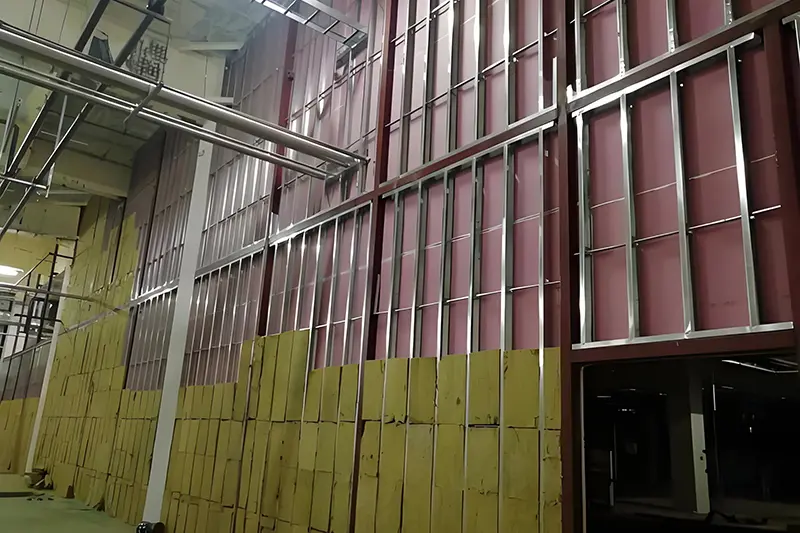
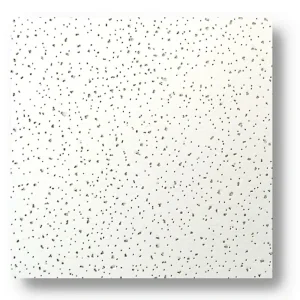
Product Combination: Fire-resistant gypsum board + Steel studs + Rock wool + Fire-rated ceiling panels + Ceramic aluminum acoustic panels
Application Scenarios: Firewalls in high-rise buildings; Hotel room partitions; Data center server rooms
Core Advantages: Complies with international fire standards; Provides 1-4 hour fire-rated solutions; Lightweight design reduces building load
Case Study: Fire-rated Partition Project for a High-rise Building
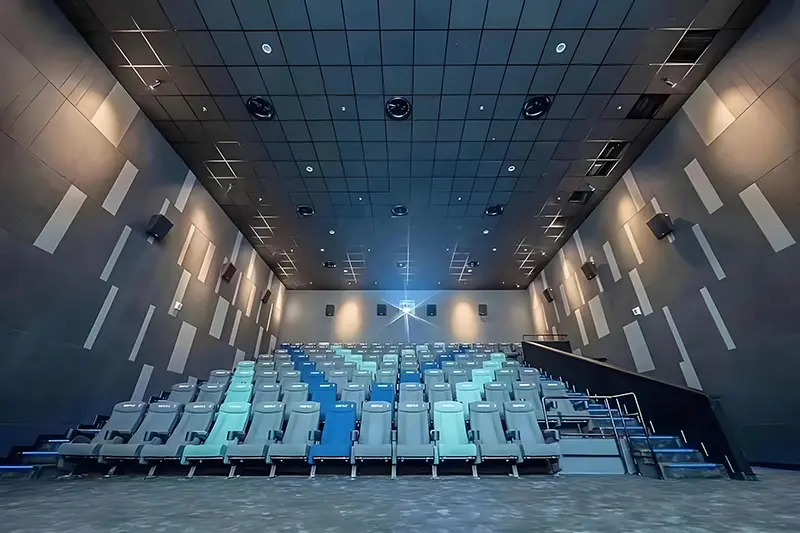
Product Combination: Sound-absorbing gypsum board + Steel studs + Glass wool + Glass fiber acoustic panels + Polyester fiber acoustic panels
Application Scenarios: KTVs, recording studios; Cinemas, concert halls; Hotel room noise control
Core Advantages: Provides superior soundproofing performance; Customized acoustic design to meet different decibel requirements; Eco-friendly materials, free of harmful gas emissions
Case Study: Acoustic Renovation Project for a Cinema Screening Hall
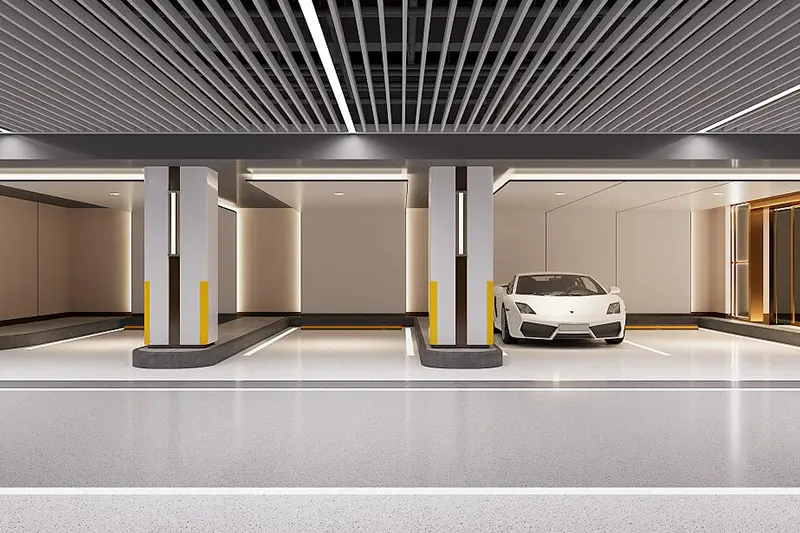
Product Combination: Moisture-resistant gypsum board + Steel studs + Polyurethane + Aluminum ceiling panels + PVC wall panels/UV panels
Application Scenarios: Bathrooms, kitchens, and other humid areas; Underground parking lots; Coastal area buildings
Core Advantages: High moisture resistance, preventing mold growth; Exceptional durability, suitable for high-humidity environments; Complies with international moisture-proof standards
Case Study: Underground Parking Lot Project for a Shopping Mall
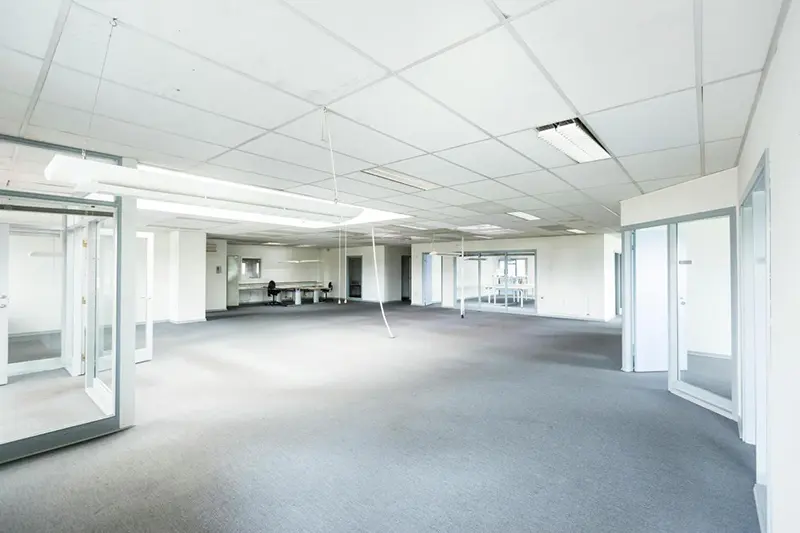
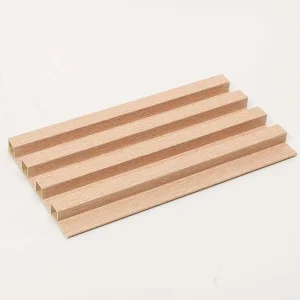
Product Combination: Paper-faced Gypsum Board + Light Steel Keel/Painted Steel Keel + Mineral Wool Board + WPC Wall Panel
Application Scenarios: Commercial Office Buildings; Bulk Residential Construction
Core Advantages: Modular design increases installation efficiency by 50%; Reduces construction waste at the site, enhancing environmental friendliness; Supports immediate installation and use, shortening the construction period
Case Study: Rapid Construction Project of an International Convention and Exhibition Center
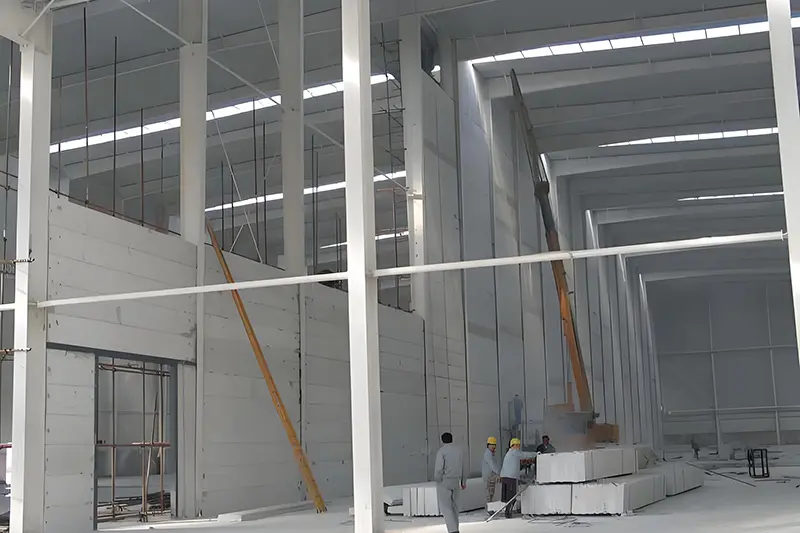
Product Combination: High-Strength Gypsum Board + Thickened Light Steel Keel + Calcium Silicate Board/Cement Pressure Board
Application Scenarios: Partitions in Industrial Plants; Large-Scale Warehousing Facilities; Heavy Equipment Rooms
Core Advantages: Excellent load-bearing performance, suitable for high-load environments; Strong impact resistance, extending service life; Customized reinforcement solutions provided
Case Study: High-Strength Partition Wall Project in an Automobile Manufacturing Factory
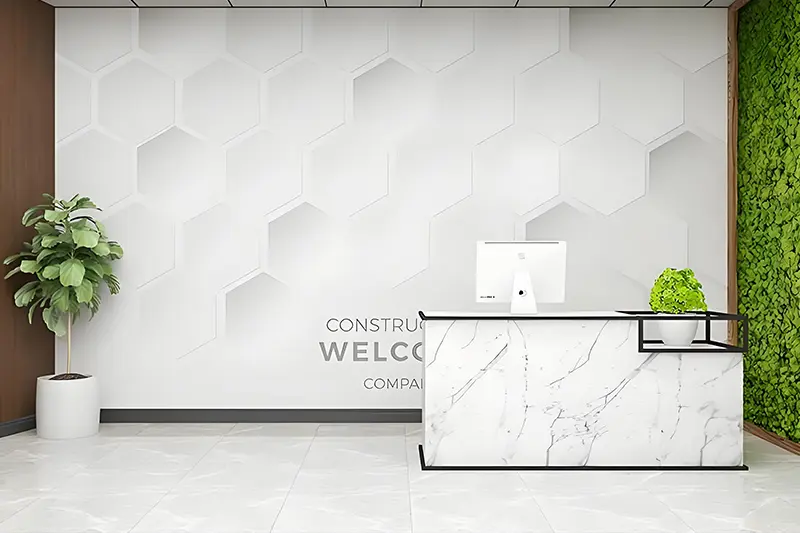
Product Combination: Decorative Wall Panels + Customized Surfaces + Matching Decorative Trims
Application Scenarios: Lobbies of High-end Hotels; Wall Decorations in Commercial Complexes; Personalized Designs for Residential Spaces
Core Advantages: Diverse surface treatments (wood grain, stone texture, metallic finish); Support for customized patterns and colors; Easy to clean and wear-resistant
Case Study: Reception Area Decoration Project for a Company
In global trade operations, supply chain resilience determines project success. Tangshan Haofa International Trade Co., Ltd., based in Tangshan, China, leverages domestic supply chain clusters. The name "Haofa" represents a wide world with great potential. With deep industrial integrations spanning more than 20 major industrial manufacturing cities and covering three primary structural areas—wall systems, ceiling systems, and flooring configurations—we ensure a seamless, one-stop procurement structure for international buyers.
Our strategic operations, led by founder Ms. Zhang Xuedong, are designed around rigorous supply chain protocols. With over 25 years of structural experience in building materials trade, Ms. Zhang has engineered a network of hundreds of high-quality supply chain factories. This network guarantees not only raw material availability but also consistent quality control. Our logistical systems support standard and customized packaging configurations (including neutral or custom-branded packaging) shipped under flexible trade terms such as FOB, CIF, EXW, and DDP.
By leveraging regional concentrations of specialized chemical and manufacturing clusters across China, we optimize procurement costs. This vertical integration permits rapid production scaling, reducing project lead times even for large-scale developments. From raw material input inspection to post-production quality assurance, each batch undergoes strict compliance audits to meet European CE, North American ASTM, and global environmental standards.
We believe in building business relationships based on trust. Our operational motto, "once a deal, lifelong friends," drives our commitment to quality, innovation, and client service. We encourage continuous learning within our multi-department team (Operations, Purchasing, HR, and Sales), empowering employees to operate independently. This internal efficiency translates to responsive, professional, and multi-lingual service for our overseas partners, ensuring successful project outcomes globally.
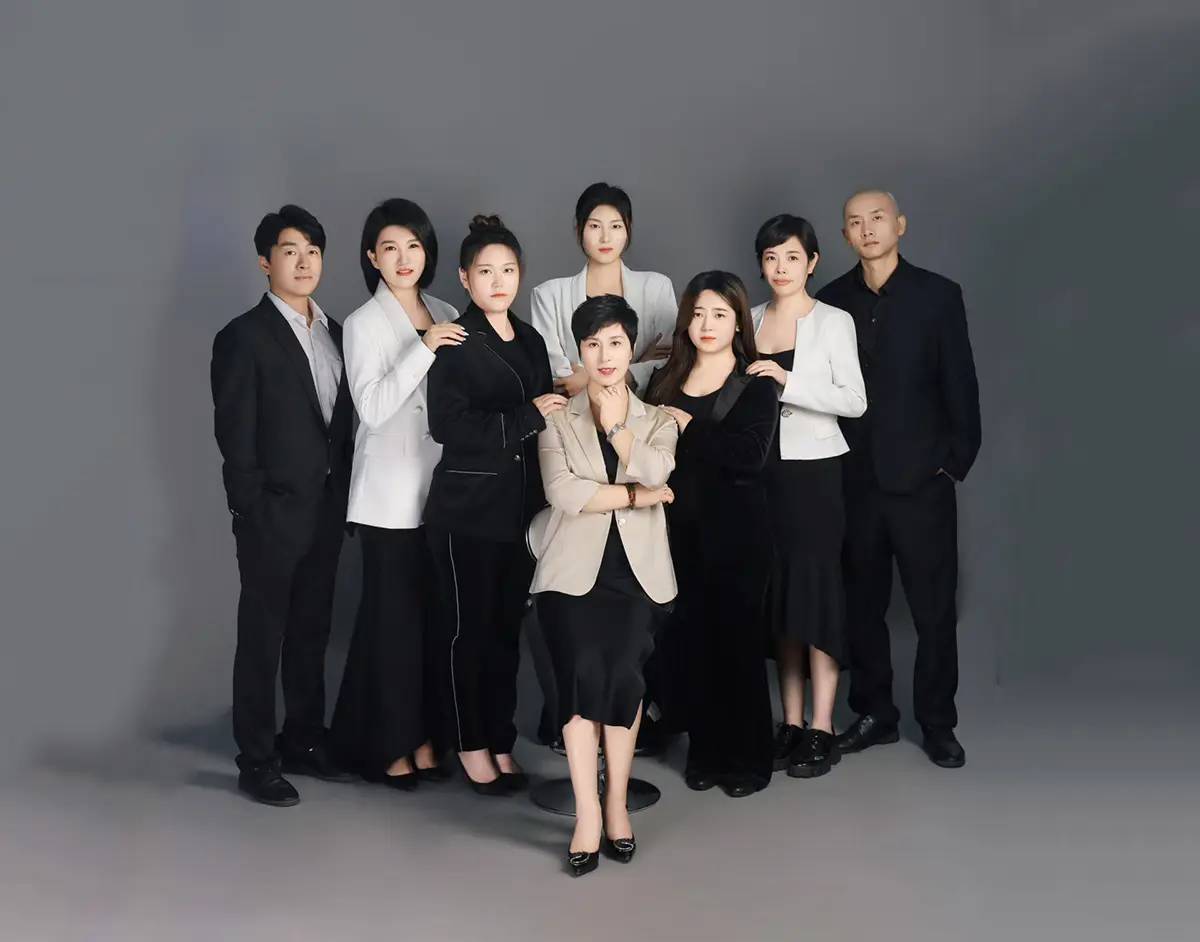
Founder of Haofa International
Led by Ms. Zhang, our experienced team ensures high quality, complete product varieties, and efficient trade solutions for global markets.
Innovating for sustainable construction with research and development in modified clay materials and functional surface treatments.
We are developing titanium dioxide (TiO2) coatings for our flexible stone series. These photocatalytic surfaces use UV radiation to break down organic pollutants and atmospheric nitrogen oxides, creating self-cleaning exterior walls that improve urban air quality.
We are researching the integration of flexible stone with Building Integrated Photovoltaics (BIPV). This allows structural walls to serve as both weather-resistant cladding and clean energy generators, supporting carbon-neutral building designs.
Our material science team is working to reduce thickness parameters down to 1.2mm while increasing tensile strength. This will allow the material to wrap tightly around complex shapes and double-curved structures without cracking.
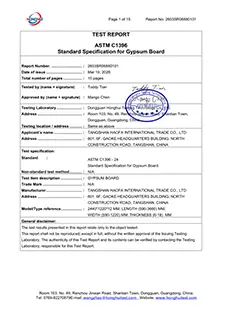
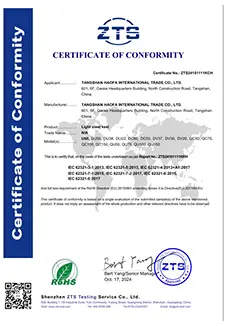
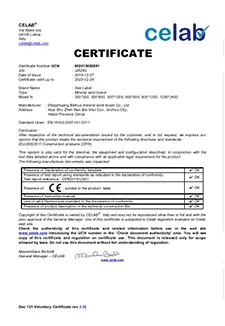
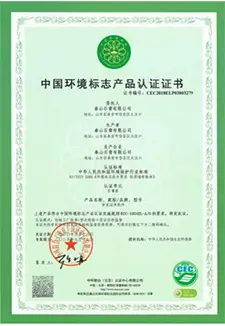
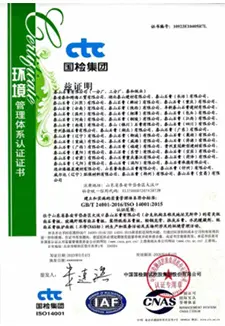
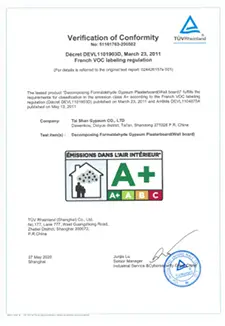
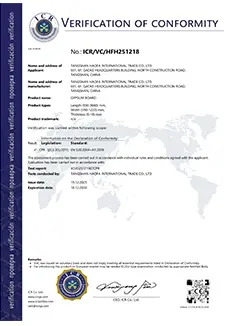
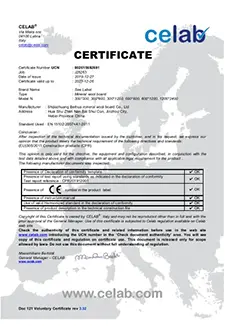
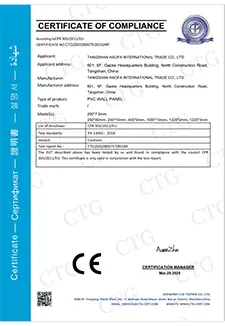
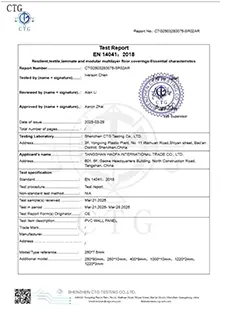
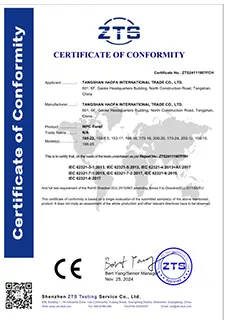
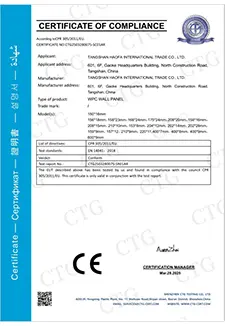
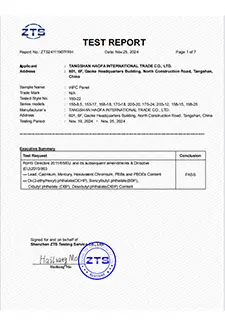
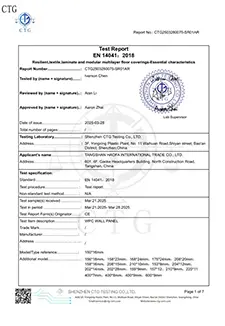
Our materials comply with international standards, including CE, ASTM, RoHS, and EN. We partner with leading testing agencies to ensure product safety, fire resistance, and durability.
Answers to common structural, environmental, and installation questions about Modified Clay Materials.
 Haofa
Haofa