Choosing a reliable China Pu Sandwich Wall Panel supplier requires more than comparing prices and catalog photos. It requires evidence. The United Nations Environment Programme’s 2023 Global Status Report for Buildings and Construction states that buildings consumed about 34% of global energy and produced approximately 37% of energy-related emissions in 2022. These figures explain why insulation performance, airtight joints, and long-term durability deserve serious attention.
A qualified supplier should provide verifiable thermal conductivity data, fire-performance classifications, panel density, steel coating specifications, and production tolerances. Ask for test reports from accredited laboratories, not only internal product sheets. Check whether the reports match the proposed core material, thickness, and joint design. ISO 9001 certification can support process consistency, but it does not replace product testing or factory inspection. Experience also matters. A supplier serving cold storage, cleanrooms, warehouses, or industrial buildings should show comparable projects with clear installation details.
Market reports from Grand View Research and MarketsandMarkets describe continued growth in insulated panel demand, driven by energy efficiency and faster construction. Yet market growth does not guarantee supplier quality. A low quotation may conceal thinner coatings, inconsistent foam density, or weak packaging protection. Small details matter. Damaged corners can compromise a wall system before installation begins.
No supplier is perfect. A spreadsheet can hide practical problems. Therefore, evaluate samples, communication speed, quality-control records, and after-sales support together. The strongest choice is not always the cheapest factory. It is the supplier that can explain its data, admit limitations, and consistently deliver panels matching the approved specification.
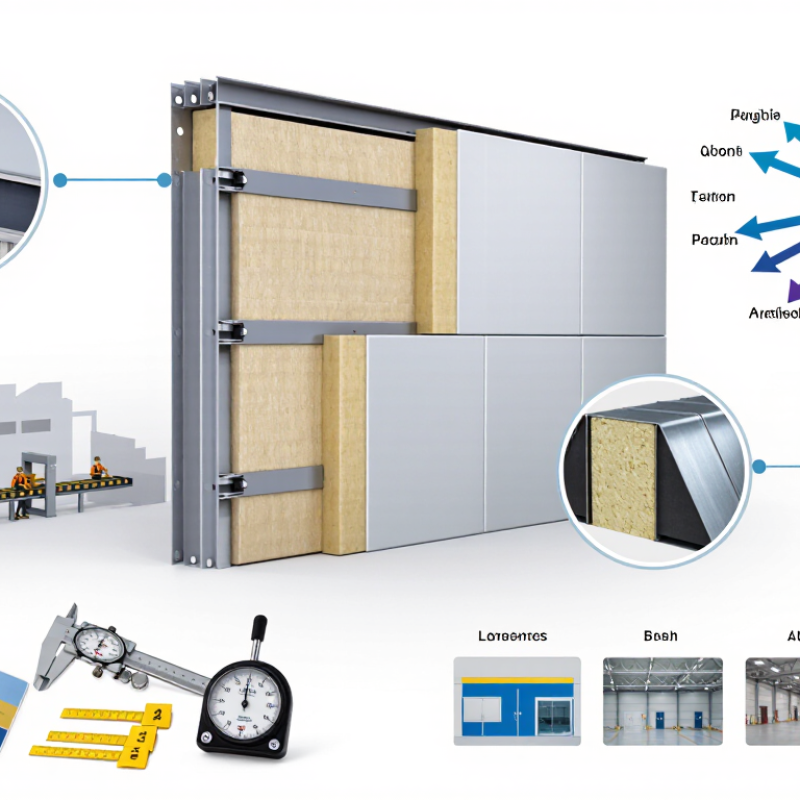
How to Choose a Top China PU Sandwich Wall Panel Supplier?
PU sandwich wall panels provide a lightweight thermal envelope for factories, cold rooms, warehouses, and clean production spaces. Their core role is simple: reduce heat transfer while protecting the building from moisture, impact, and temperature changes. The International Energy Agency reports that buildings consume about 30% of global final energy. Better insulated walls can therefore reduce cooling and heating demand, although real savings depend on joints, doors, ventilation, and installation quality.
The benefits are practical. Polyurethane cores usually offer low thermal conductivity, stable dimensions, and fast installation. However, PU is not a magic answer. A panel may show excellent laboratory performance yet lose efficiency through open seams or crushed edges. EN 14509 compliance, tested thermal conductivity, core density, fire classification, steel coating, and dimensional tolerance should be checked. Ask for traceable test reports, production records, and samples from current output. The UNEP 2023 Global Status Report also links buildings with 32% of global energy use, making insulation decisions commercially important, not merely technical.
Tips: Compare complete wall systems, not panel prices alone. Inspect tongue-and-groove joints, locking details, and sealant adhesion. Request third-party testing where possible. Supplier audits matter. A factory visit can reveal rushed packaging, uneven foam, or weak quality control. I would also question unusually low quotations; savings may hide thinner steel, lower density, or incomplete accessories. That uncomfortable question often prevents expensive rework.
| Evaluation Dimension | What PU Sandwich Wall Panels Do | Typical Technical Information | Why It Matters When Choosing a Supplier | Recommended Verification |
|---|---|---|---|---|
| Core Material | Provide thermal insulation within a factory-made wall element consisting of metal facings bonded to a rigid polyurethane core. | Rigid PU/PIR cores are commonly used for insulated building envelopes. Exact performance depends on density, formulation, thickness, joints, and installation. | A supplier should clearly identify the core type rather than using “PU” as a general term for different foam formulations. | Request the technical data sheet, core composition, declared density, and independent test reports for the proposed product. |
| Thermal Insulation | Reduce heat transfer through external walls and help maintain more stable indoor temperatures. | Rigid polyurethane generally has low thermal conductivity compared with many traditional insulation materials. The declared value must be checked at the stated test temperature and aging condition. | Lower heat transfer can reduce heating and cooling demand, but the complete wall assembly—not only the foam core—determines actual performance. | Compare declared thermal conductivity, thermal resistance, panel thickness, joint design, and calculated U-value for the project climate. |
| Panel Thickness | Controls much of the wall’s insulation level, overall weight, and connection geometry. | Commercial panel systems are available in multiple thicknesses; common project selections often fall within approximately 50–200 mm, subject to local design requirements. | A capable supplier should offer thickness options without compromising joint fit, flatness, or production consistency. | Confirm thickness tolerance, effective cover width, edge profile, and whether the quoted thickness is nominal or effective. |
| Fire Performance | Contribute to the fire behavior of the wall system, while the metal facings, joints, fixings, openings, and surrounding construction also affect overall performance. | Fire classification is product- and assembly-specific. PU and PIR products can have different reaction-to-fire results, and classifications vary by test standard. | Fire compliance is a safety requirement and cannot be established from the word “PU” or from a generic brochure statement. | Ask for current fire-test or classification reports applicable to the exact core, facing, thickness, joint, and intended installation. |
| Mechanical Strength | Transfer wind loads and resist handling forces when properly supported and fixed. | Performance depends on facing thickness, steel grade, core properties, span, fastener layout, support spacing, and panel orientation. | Panels selected only by appearance may deflect excessively or suffer damage during transport and installation. | Review bending, compression, fastener pull-through, and span tables based on the project’s design loads. |
| Weather Resistance | Form a continuous external barrier against rain and wind when panel joints, flashings, sealants, and penetrations are correctly detailed. | Water tightness is a system property. Joint geometry, gasket or sealant selection, panel alignment, and installation quality are critical. | A supplier with tested joint details can reduce the risk of leakage, condensation, and premature corrosion. | Check water-penetration test results, joint drawings, sealant compatibility, flashing details, and installation instructions. |
| Facing Material | Protect the core and provide the visible, structural, and environmental outer surfaces. | Common facings include coated or pre-painted steel. Relevant variables include steel thickness, coating type, coating mass, color, and surface finish. | Facing quality affects corrosion resistance, appearance, durability, and the panel’s load-bearing behavior. | Verify steel grade, nominal thickness, coating specification, paint system, color tolerance, and protective-film requirements. |
| Dimensional Accuracy | Enable fast installation and help create continuous insulation with aligned joints. | Important checks include panel length, width, thickness, squareness, flatness, edge shape, and joint engagement. | Consistent dimensions reduce cutting waste, installation delays, air leakage, and visible misalignment. | Request quality-control records, allowable tolerances, sample measurements, and a documented inspection procedure. |
| Energy and Installation Benefits | Combine insulation and cladding into a relatively lightweight prefabricated component, reducing the number of site operations. | Factory production can improve repeatability and shorten enclosure work compared with separately installed wall layers, depending on the project design. | Shorter installation time may reduce labor and temporary-weather exposure, but only when panels, accessories, and drawings are complete. | Evaluate the full supply scope, including trims, flashings, fasteners, sealants, lifting guidance, layout drawings, and technical support. |
| Moisture and Condensation Control | Help limit vapor and heat movement through the wall when the panel system is correctly designed for the indoor and outdoor conditions. | Condensation risk depends on climate, indoor humidity, thermal bridges, joint sealing, vapor control, and ventilation—not insulation thickness alone. | Incorrect detailing can cause corrosion, mold growth, reduced insulation performance, or damage to adjacent materials. | Request a condensation analysis where needed and confirm joint, penetration, base, corner, and roof-to-wall details. |
| Manufacturing Capability | Ensure panels can be produced consistently in the required dimensions, profiles, colors, and quantities. | Relevant capabilities include continuous or batch production, automated lamination, profile forming, controlled curing, and in-process inspection. | Stable production conditions improve panel uniformity and reduce variation between batches. | Review production capacity, lead time, quality plan, calibration records, sample approval process, and batch traceability. |
| Standards and Documentation | Provide measurable evidence that the product meets the applicable building, fire, structural, and environmental requirements. | Requirements differ by destination market. Documentation may include product standards, test methods, declarations, certificates, and installation manuals. | Complete documentation supports approvals, engineering review, customs clearance, and responsible project handover. | Confirm that reports are current, issued for the exact product configuration, and prepared by a recognized testing or certification body. |
| Export and Packaging | Protect finished panels from moisture, impact, scratching, and deformation during handling and international transport. | Packaging should match panel length, stacking limits, lifting method, container or truck loading, and destination climate. | Good packaging reduces damage claims and helps preserve panel edges and coated surfaces before installation. | Request packaging drawings, loading photographs, maximum stack height, lifting instructions, and procedures for inspecting goods on arrival. |
| Supplier Selection Result | Deliver a compatible wall system rather than only individual panels. | The strongest choice balances thermal, fire, structural, weather, durability, documentation, delivery, and after-sales requirements. | A reliable China-based supplier should demonstrate technical transparency, production control, export experience, and responsive project support. | Use approved samples, a written specification, quality-inspection checkpoints, agreed tolerances, warranty terms, and a complete accessory list before ordering. |
Note: Technical values and compliance requirements must be confirmed for the exact panel configuration and the building regulations applicable to the project location.
They create lightweight insulated walls for factories, cold rooms, warehouses, and clean production areas. They reduce heat transfer and help control moisture.
Their polyurethane core slows heat movement through walls. Actual savings depend on joints, doors, ventilation, installation, and local weather conditions.
Check thermal conductivity, core density, water absorption, fire classification, steel coating, and dimensional tolerance. Confirm results with traceable laboratory reports.
Open seams can weaken insulation and allow moisture entry. Examine tongue-and-groove joints, locking details, and sealant adhesion.Small gaps matter.
Request a factory visit or live video inspection. Observe foam mixing, lamination pressure, curing, cutting accuracy, and edge protection.
Not always. Verify the issuing body, validity date, product scope, panel thickness, and core type. Independent confirmation is safer.
Request physical samples, recent test reports, production records, packaging details, and replacement procedures. Measure samples instead of trusting photographs.
Compare registered details, production addresses, equipment lists, and trade documents. Contact previous customers about delivery consistency, packaging damage, and service response.
Specify performance values, thickness, tolerance limits, inspection rights, packaging standards, replacement terms, and delivery responsibilities. Vague contracts create avoidable disputes.
It may reflect thinner steel, lower foam density, weak accessories, or incomplete service. I once focused on price and overlooked quality records. That mistake was expensive.
Choosing a reliable China PU Sandwich Wall Panel supplier requires more than comparing product prices. First, understand how these panels support insulation, fire resistance, structural efficiency, hygiene, and faster installation in industrial, commercial, or cold-room projects. Define your technical requirements clearly, including panel thickness, core density, surface materials, thermal performance, moisture resistance, fire rating, dimensions, and connection details. These specifications will help ensure the selected panel matches the building environment and long-term operating needs.
Next, evaluate each supplier’s production capability, quality control procedures, testing records, and relevant certifications. Compare quotations together with lead times, minimum order quantities, customization options, packaging, delivery arrangements, installation guidance, warranty terms, and after-sales support. Before making a final decision, verify factory information, inspect samples, request project references, and confirm that documentation is complete and consistent. A dependable Pu Sandwich Wall Panel supplier should provide transparent communication, stable quality, accurate production, and practical support throughout the purchasing process.

 Haofa
Haofa