Choosing the right UV panels can feel overwhelming. With numerous options available, understanding your specific needs is vital. A recent report from the International UV Association indicates that UV technology is rapidly evolving, with significant improvements in energy efficiency and performance.
As consumers become more environmentally conscious, selecting the best UV panels is crucial. A study from the Solar Energy Industries Association shows that many users overlook factors like UV output, lifespan, and compatibility with existing systems. These factors directly impact efficiency and long-term costs.
Moreover, the ideal UV panel isn't always the most expensive one. Some budget-friendly options perform remarkably well. However, potential buyers should remain aware of misleading marketing claims. Scrutinizing specifications and consulting with experts can help navigate the complexities of UV technology. Ultimately, an informed choice can lead to significant savings and enhanced sustainability in your project.
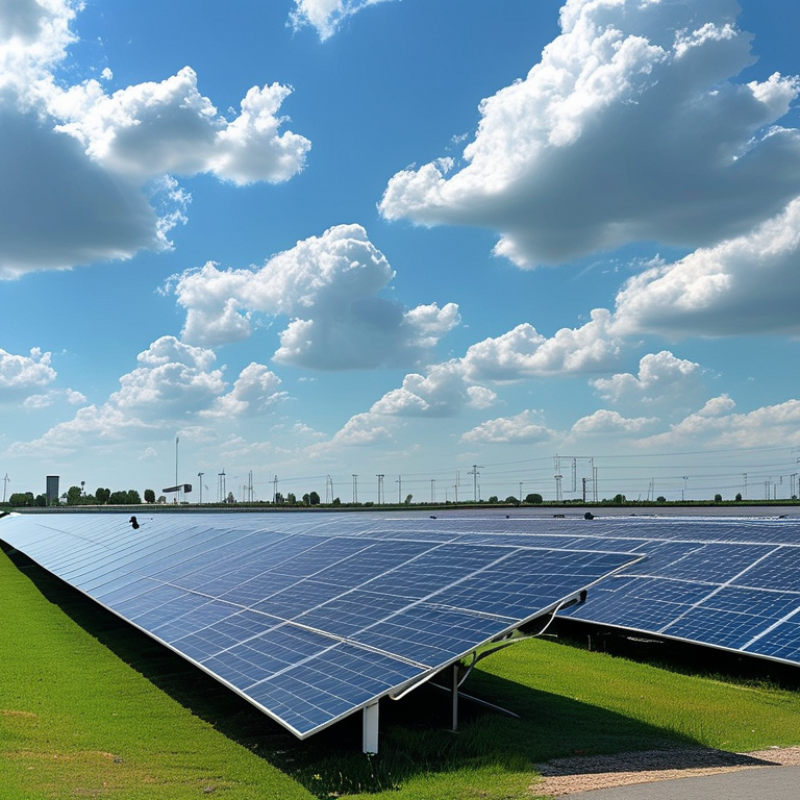
UV panels are crucial in various applications. They help protect sensitive materials from degradation caused by ultraviolet radiation. According to the International UV Association, over 90% of plastics degrade faster when exposed to UV light without protection.
Proper UV panels can enhance performance and extend the lifespan of your products. When selecting panels, consider factors like wavelength, thickness, and material. Research by the American Society for Testing and Materials emphasizes that the right panel can reduce UV exposure by more than 99%. This level of protection fosters longevity in industries such as agriculture and manufacturing.
It's easy to underestimate the importance of UV protection. Many users discover superficial solutions often lead to unsatisfactory results. A common pitfall is choosing panels based solely on cost. While budget considerations are essential, investing in high-quality panels is vital for avoiding long-term damage. Ultimately, making informed decisions helps maximize efficiency and sustainability in applications that require reliable UV protection.
When considering UV panels, it's crucial to evaluate the different types available. Each type serves distinct purposes. For example, some panels generate UV-C light, which is highly effective in killing bacteria and viruses. This feature is particularly valuable in medical and laboratory settings. In contrast, UV-A panels are often used in industries such as leisure and automotive, known for simulating sunlight and enhancing color quality.
Studies indicate that UV-C panels can reduce microbial load by 99.99% in controlled environments. This data suggests that they are vital in maintaining hygiene standards. However, improper use can lead to safety risks. Many users underestimate the potential harm of prolonged exposure to UV radiation. Regular assessments of exposure levels are essential for safe usage.
Another type, UV-B panels, focuses on promoting vitamin D synthesis in the skin. Research shows that around 1 in 4 people may have inadequate vitamin D levels. Increasing awareness of its importance in overall health is essential. As consumers, understanding the right type of UV panel for specific applications is also necessary. It ensures both benefits and safety in everyday usage.
When selecting UV panels, understanding your specific needs is crucial. Start by evaluating the intended use. Are they for a greenhouse, an aquarium, or perhaps a cosmetic application? Different environments require different specifications. For example, UVB panels are essential for plant growth, while UVA panels are more suitable for skin-related uses.
Consider the material and durability of the panels. Look for options that resist UV degradation. Heavy-duty panels might be suitable for long-term installations. Assessing the thickness and resistance to impact is also vital. Thinner panels may be easier to handle but can lack the durability required for certain settings.
Lastly, reflect on the energy efficiency of the UV panels. Some units consume more power than others. This can lead to higher bills over time. Look for energy ratings to help guide your decision. By considering these factors, you can choose panels that not only suit your needs but also offer long-term reliability.
When selecting UV panels, understanding your specific needs is crucial. Consider the environment where the panels will be used. For instance, will they be in a residential area, industrial workspace, or outdoor setting? Each setting has unique requirements. For residential use, energy efficiency may be a priority. In contrast, industrial applications often focus on durability and performance.
Evaluate the purpose of the UV panels. Are they for sterilization, water treatment, or another function? Different applications necessitate different features. For example, water treatment might require panels that can handle specific flow rates. It is essential to analyze the scope of the task. Think about how often the panels will be used. Intense, daily usage can lead to wear and may require more robust options.
Don’t overlook installation and maintenance needs. Installation can be complex and must be done properly for optimal performance. Regular maintenance can be a hassle for some users. Assess your comfort level with ongoing care. Will you have direct access to professionals if needed? Weigh these factors carefully. Even experienced users can find themselves unprepared for unexpected challenges. Making an informed decision now can save time and money later.
| Criteria | Details | Importance Level (1-5) |
|---|---|---|
| UV Radiation Type | UVA, UVB, or UVC specific | 5 |
| Panel Size | Dimensions suitable for your space | 4 |
| Energy Efficiency | Low energy consumption ratings | 5 |
| Durability | Weather-resistant materials | 4 |
| Cost | Budget considerations and long-term savings | 4 |
| Installation | Ease of setup or professional installation required | 3 |
| Usage Purpose | Residential, commercial or specialized applications | 5 |
When selecting UV panels, understanding the brand features is essential. Different manufacturers offer various technologies. Some may focus on energy efficiency, while others emphasize durability. It’s crucial to identify which aspect matters most to you. Look for panels that provide ample UV coverage. This will enhance protection against harmful rays effectively.
Consider user reviews and expert opinions when comparing brands. Insight from experienced users can reveal strengths and weaknesses in real-world situations. Brands that prioritize customer service often build a loyal user base. Explore online forums and discussion groups to gather diverse perspectives. These resources might expose you to less-known options that still meet your needs.
Some features may not work as claimed. For instance, a panel marketed for maximum UV output might underperform in specific environments. Additionally, cost-effectiveness varies. Higher prices do not always equate to better performance. Analyzing your specific requirements will lead to a better purchase. Sometimes, buyers overlook their long-term usage needs, leading to regret later on. Gather all necessary information before making a choice.
: UV panels protect materials from ultraviolet radiation, reducing degradation. They enhance product lifespan and performance.
The correct UV panel can reduce UV exposure by more than 99%. This is crucial in agriculture and manufacturing.
Choosing panels based on cost can lead to long-term damage. Investing in quality is essential for effectiveness.
There are several types, including UV-C for killing bacteria, UV-A for simulating sunlight, and UV-B for vitamin D synthesis.
UV-C panels can reduce microbial load by 99.99% in controlled settings. They are vital for hygiene but must be used safely.
Prolonged exposure to UV radiation can lead to harm. Regular assessment of exposure levels is necessary for safe use.
Many people have inadequate vitamin D levels. UV-B panels help promote vitamin D, which is critical for overall health.
Understanding the specific application needs is essential. This ensures that benefits are maximized, and safety is upheld.
Many underestimate the importance of proper protection and choose panels based solely on lower costs. This can backfire.
Research and information are key. Being educated about panel functions can lead to smarter choices in applications.
When selecting UV panels, it is crucial to understand their significance for your specific applications. UV panels serve various purposes, from sterilization to curing processes, making it essential to evaluate the different types available in the market. Various factors such as wavelength, power output, and energy efficiency should be considered to ensure that the chosen panels meet your needs adequately.
Assessing your unique requirements is vital to making an informed decision. By comparing the features of various UV panel options, you can determine which product aligns best with your operational goals. Ultimately, a careful evaluation of the available options will help you select the best UV panels tailored to your situation, ensuring optimal performance and effectiveness.