In the quest for modern construction materials, WPC panels for walls are gaining traction. Their blend of wood and plastic offers durability and aesthetic charm. According to a report by Grand View Research, the global WPC market size surged to USD 5.94 billion in 2022, showcasing an annual growth rate of 12.4%. This reveals a shift in industry preferences towards innovative materials.
Traditional walls, often made of concrete or gypsum, face challenges like moisture and warping. WPC panels for walls, however, provide resistance against such issues. Their lightweight nature allows for easier installation and reduced labor costs. The American Society of Civil Engineers highlights that using lighter materials can cut construction time by 20%. This efficiency is appealing for both builders and homeowners.
Yet, despite the advantages, it's essential to consider WPC's potential drawbacks. Some products may not have the same nostalgic feel as natural wood. Additionally, long-term performance data is still emerging. This evolving landscape calls for careful evaluation. Ultimately, the choice of WPC panels for walls reflects a blend of innovation and tradition, prompting deeper reflection on material needs in construction.
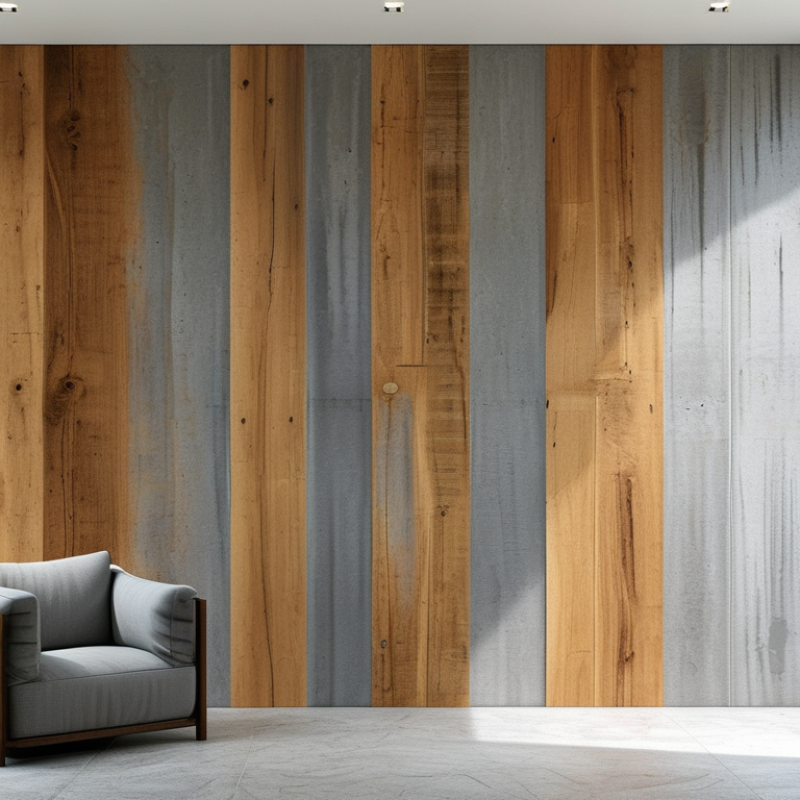
Benefits of WPC Panels Compared to Traditional Wall Materials
WPC panels, or wood-plastic composite panels, are becoming increasingly popular for wall applications. One significant benefit is their durability. These panels resist warping and cracking, which can happen with traditional materials. They can withstand various weather conditions, making them suitable for both interior and exterior use.
Another advantage of WPC panels is their low maintenance requirement. Unlike wood, they do not need to be painted or stained frequently. A simple wash with soap and water keeps them looking fresh. This ease of upkeep can save homeowners time and money.
Additionally, WPC panels are environmentally friendly. They are made from recycled materials, reducing waste in landfills. This aspect should appeal to eco-conscious consumers. However, it is important to note that not all WPC panels are created equal. Some lower-quality options might not hold up as well, leading to potential issues. It is crucial to choose wisely and research before committing.
Durability and Maintenance Advantages of WPC Panels
WPC panels have gained popularity due to their exceptional durability and low maintenance requirements.
Unlike traditional materials like wood or plaster, WPC panels resist moisture, mold, and pests, making them
ideal for various environments. Research by the Plastic Lumber Trade Association indicates that WPC products
can last up to 25 years, significantly outlasting traditional wood materials, which often face wear and
tear much sooner.
The maintenance of WPC panels is another compelling advantage. They require minimal upkeep, requiring
nothing more than occasional cleaning with soap and water. In comparison, wooden panels need frequent
sealing, staining, and painting, which can be time-consuming and costly. Data from the National Association
of Home Builders shows that homeowners can save an average of 30% in maintenance costs over the lifespan
of WPC materials when compared to wood.
However, there are debates about the environmental impact of WPC panels. It's essential to consider the
production processes and material sourcing. While WPC can reduce deforestation by utilizing recycled
materials, the manufacturing process may create other environmental concerns. Assessing these factors is
crucial for making informed decisions when choosing wall materials for sustainability and durability.
Aesthetic Versatility: WPC Panels in Interior Design
WPC panels, or wood-plastic composite panels, are gaining traction in interior design. Their aesthetic versatility appeals to homeowners and designers alike. According to a recent market analysis, WPC panels accounted for over 25% of the market share in the wall paneling segment in 2022. This data reflects a growing preference for these materials over traditional options, including solid wood and gypsum boards.
The design possibilities with WPC panels are nearly endless. They can mimic the look of rich hardwood or offer vibrant colors not found in natural materials. This adaptability allows for creative applications in any space. A report from the American Institute of Architects highlighted that nearly 40% of architects now incorporate sustainable materials like WPC into their projects. This shift indicates an industry trend toward eco-friendly choices.
Despite their advantages, there are potential issues. Some users report challenges with maintenance and installation. While WPC panels are touted for durability, fading and scratching can still occur. These factors should be carefully considered during the decision-making process. Ultimately, WPC panels present a modern, flexible option for aesthetic interior design while prompting reflection on long-term care and performance.
Cost-Effectiveness of WPC Panels Over Time
WPC panels, or wood-plastic composites, offer substantial cost-effectiveness over traditional materials. Unlike wood or stone, WPC requires less maintenance. Over time, this leads to lower expenses for property owners. Their resistance to decay makes them a durable choice. Homeowners won’t need to replace panels frequently, saving money in the long run.
Installation costs are also reduced. WPC panels are lightweight and easy to handle. This can accelerate the construction process. Less labor translates to lower installation costs. Additionally, the longevity of WPC options means fewer repairs. This reliability can prevent unexpected expenses that often arise with traditional materials.
It's essential to weigh these benefits against potential downsides. Some may argue about aesthetic differences. Others might worry about recycling options. However, the evolving design capabilities of WPC address many aesthetic concerns. As the industry grows, solutions for environmental impact also improve. The balance of these factors speaks to the real value of WPC panels in today’s market.
Eco-Friendly Aspects of WPC Panels vs. Conventional Options
WPC panels, made from wood fibers and plastic composites, offer notable eco-friendly advantages over traditional materials. Their production uses recycled wood and polymers, reducing waste. Unlike conventional materials, WPC panels don’t require harmful chemicals for treatment. This leads to a safer environment and healthier indoor air quality.
When selecting materials, consider their life cycle. WPC panels are durable and resistant to pests, minimizing replacement frequency. They are often designed to withstand harsh weather, making them long-lasting choices for your walls. While they can be more expensive initially, their longevity can offset costs.
Tips: Choose panels with certifications for sustainability. Look for companies that prioritize eco-friendly practices. Regularly evaluate your materials for damage to ensure longevity. Remember, sustainability isn't just about the product; it’s about ongoing maintenance and responsible disposal options.
FAQS
: WPC panels are durable, resistant to warping, and suitable for various weather conditions. They work well for indoor and outdoor use.
WPC panels require low maintenance; simple cleaning is often enough. Traditional materials need regular sealing and painting.
Yes, they are made from recycled materials and reduce landfill waste. However, manufacturing processes can have environmental impacts.
Research shows WPC panels can last up to 25 years, longer than traditional wood materials that wear out sooner.
Some lower-quality options may not perform well. It’s important to research and choose reliable products.
WPC panels don’t require harmful chemicals for treatment, promoting healthier indoor air quality compared to conventional materials.
Homeowners can save an average of 30% on maintenance costs with WPC panels compared to wood over their lifespan.
Choose panels with sustainability certifications and evaluate company practices before making a decision.
Regular evaluations for damage and proper cleaning can help maintain the panels and extend their lifespan.
While WPC panels may cost more upfront, their durability can offset costs through lower maintenance and replacement needs.
Conclusion
WPC panels for walls offer numerous advantages over traditional materials, making them a preferable choice for modern interior design. One of the standout benefits is their durability, as WPC panels are resistant to moisture, warping, and pests, requiring significantly less maintenance than wood or drywall. Additionally, these panels provide aesthetic versatility, allowing for a variety of styles and finishes that can enhance any decor while contributing to a stylish ambiance.
Moreover, WPC panels for walls prove to be cost-effective in the long run. Although the initial investment may vary, their longevity and reduced maintenance needs often result in lower lifetime costs. Furthermore, they are an eco-friendly option, being made from recycled materials and promoting sustainable practices compared to conventional wall materials. Overall, WPC panels present an innovative solution for achieving both beauty and functionality in wall design.

 Haofa
Haofa