How to Choose WPC Wall Panels for Your Interior Design Needs?

Time:2026-08-06 Author:Henry
0%

When considering WPC wall panels for your interior design projects, several factors come into play. WPC Wall Panel Interior can truly transform a space. These panels are not only stylish but also functional. They offer a unique blend of durability and versatility.

Choosing the right WPC wall panel involves understanding your aesthetic and practical needs. Consider the texture and color that will enhance your existing design. The thickness and quality of the panels are crucial for long-lasting performance. You might think that all panels are created equal, but that’s not the case. Brands vary significantly in quality and style.

It’s essential to research various options before making a decision. Read reviews from other designers to gauge reliability. Visiting showrooms can provide a tangible feel for the panels. Remember, your choice reflects your design vision. Take time to reflect on what suits your interior best. A thoughtful choice now can prevent regrets later.
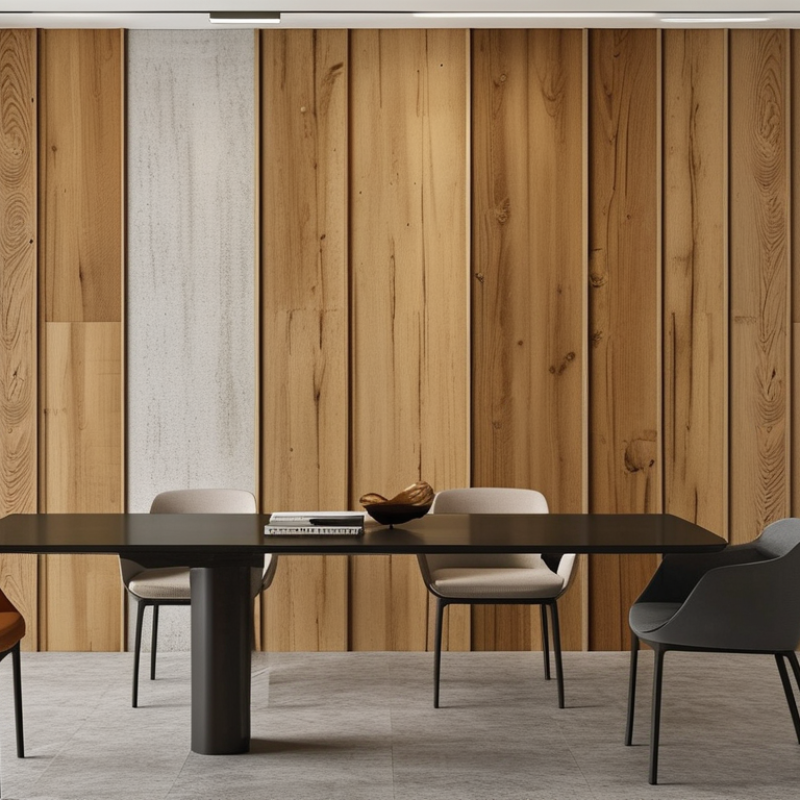
How to Choose WPC Wall Panels for Your Interior Design Needs?

Understanding WPC Wall Panels and Their Benefits

WPC wall panels, made from wood plastic composite, offer a blend of aesthetics and practicality. They come in various colors and textures, allowing homeowners to personalize their spaces. One significant advantage is their resistance to moisture and rot, which makes them ideal for humid environments. This durability ensures that they can withstand wear and tear typically found in high-traffic areas of a home.

When selecting WPC wall panels, consider their weight and installation method. Lighter panels may simplify the installation process. However, make sure they do not compromise on durability. Choose panels that provide a good balance between lightweight designs and robust materials. The right choice not only enhances your walls but also saves future repair costs.

Tip: Always request samples before making a decision. Viewing the panels in your space can reveal how colors change with natural light. It's easy to overlook this crucial step, but it can save time and money later. Reflect on how the panel's texture might affect your room's ambiance too. Selecting the perfect WPC panel should be a thoughtful process.

Key Factors to Consider When Choosing WPC Wall Panels

Choosing WPC (Wood Plastic Composite) wall panels involves careful consideration of several key factors. These panels blend the natural look of wood with the durability of plastic. According to industry reports, WPC materials reduce overall maintenance costs by up to 30%. This makes them an increasingly popular choice among homeowners and designers.

A vital aspect to consider is the panel thickness. Thicker panels often provide better insulation and soundproofing. Panels ranging from 9mm to 20mm are common, but opinions on ideal thickness vary. It's essential to assess your specific project needs and environmental conditions. The finish of the panels also matters. Textured surfaces can enhance aesthetics and provide a slip-resistant feature, which is especially important in high-traffic areas.

**Tip:** Always request samples before making a final decision. This ensures the color and texture meet your expectations.

Pay attention to the installation process as well. Some panels are easier to install than others, which can impact labor costs. Check if the panels require additional support or reinforcement during installation. Consider the warranty provided by suppliers. Warranties can indicate the expected lifespan and reliability of the product.

**Tip:** Look for panels with a longer warranty. This often reflects higher quality and better performance.

Popularity of WPC Wall Panel Features

Types of WPC Wall Panels Available for Interior Design

When it comes to choosing WPC wall panels, understanding the types available is crucial. WPC, which stands for Wood Plastic Composite, is becoming popular for interior design due to its aesthetic appeal and durability. These panels typically come in two main categories: textured and smooth finishes. Textured panels offer a natural wood-like appearance, enhancing the overall warmth of a room. Smooth panels, on the other hand, provide a sleek and modern touch, making them suitable for contemporary designs.

Another consideration is color and pattern. WPC wall panels can be found in various colors, allowing for personalized design choices. Earth tones like browns and greens create a calming environment, while brighter colors can energize a space. However, it's worth reflecting on how color can impact mood. Some individuals may find bright colors overwhelming, while others appreciate a lively atmosphere. Additionally, patterns range from simple to intricate designs, giving you numerous possibilities for creativity.

When selecting WPC wall panels, think about where they will be installed. High-moisture areas like bathrooms require specially treated panels for longevity. Consider the maintenance needs as well. Some panels may be more prone to scratches or fading than others. Balancing design preferences against practical considerations can be challenging but crucial for long-term satisfaction.

How to Choose WPC Wall Panels for Your Interior Design Needs?

Type of WPC Wall Panel Features Best Use Price Range (per sq ft)
Standard WPC Panels Moisture resistant, easy to clean Living rooms, bathrooms $2 - $5
Textured WPC Panels Natural wood look, high durability Feature walls, offices $3 - $6
Colored WPC Panels Vibrant colors, fade resistant Playrooms, nurseries $4 - $7
Acoustic WPC Panels Sound absorbing, easy installation Theaters, conference rooms $5 - $9
Custom Design WPC Panels Uniquely designed, tailored solutions Luxury interiors, brands $10+

Color and Texture Options for WPC Wall Panels

When considering WPC (Wood-Plastic Composite) wall panels for your interior design, color and texture play crucial roles. Diverse color options are available, ranging from natural wood tones to vibrant hues. Research indicates that over 70% of homeowners feel colors greatly affect their mood. Thus, selecting the right shade can transform a space entirely.

Texture is equally vital. WPC panels can mimic traditional wood grain or feature smooth finishes. A 2021 industry report notes that textured panels increase visual interest, often making spaces feel warmer and more inviting. Additionally, tactile elements can stimulate sensory engagement, making the environment more dynamic. However, it’s essential to balance texture and color. A highly textured panel in a bold color might overwhelm a room, detracting from the overall design intent.

Consideration of lighting is crucial as well, as it can alter the appearance of color and texture significantly. For instance, a panel that looks stunning in natural light may appear dull under artificial sources. Regular testing under varied lighting conditions is advisable. This empirical approach ensures the chosen materials will deliver the desired aesthetic. Ultimately, reflecting on these elements carefully can lead to more satisfying design outcomes.

Installation and Maintenance Tips for WPC Wall Panels

When considering WPC wall panels for interior design, installation and maintenance are crucial. WPC, or wood-plastic composite, offers superior durability and resistance to moisture, making it ideal for various environments. Reports suggest that WPC panels can last over 25 years with proper care. However, careful installation is essential. Be mindful of ensuring a flat, clean surface for mounting. Uneven surfaces can lead to potential warping and detachment.

Maintenance is relatively simple, yet often overlooked. Regular cleaning with a soft cloth and mild detergent helps maintain appearance. It's key to avoid abrasive cleaners that can scratch the surface. Moreover, while WPC is resistant to fading, UV exposure may still cause discoloration over an extended period. To address potential color changes, consider periodic resealing every few years. Implementing these practices can prolong the life of your WPC panels.

One challenge is that WPC panels can be more expensive than traditional materials. However, their long lifespan can justify the initial investment. It's worth noting that improper installation can negate the benefits. Therefore, investing time in learning proper techniques or hiring a professional can be a wise decision.

FAQS

: What are WPC wall panels made of?

: WPC wall panels are made from a blend of wood and plastic composite materials.

Why should I consider WPC wall panels?

They offer aesthetics, durability, and resistance to moisture and rot, ideal for high-traffic areas.

How should I choose the thickness of WPC panels?

Thicker panels provide better insulation and soundproofing, with options typically ranging from 9mm to 20mm.

What is an essential step before purchasing WPC wall panels?

Always request samples to see how the colors and textures look in your space.

Are lighter panels easier to install?

Yes, lighter panels may simplify the installation process. But don’t compromise on durability.

What should I consider in terms of panel finish?

Textured surfaces can improve aesthetics and provide slip resistance for safer high-traffic areas.

How does the installation of WPC panels affect costs?

Some panels are easier to install than others, impacting labor costs and installation time.

Is a warranty important when choosing panels?

Yes, a longer warranty often indicates better quality and expected lifespan of the panels.

What is a common issue with selecting the right WPC panel?

It's easy to overlook how colors change with natural light, which can impact your selection.

How often should I reflect on my panel choice?

Regular reflection helps ensure your choice meets your project needs and enhances your space effectively.

Conclusion

WPC wall panel interior design is gaining popularity due to its combination of aesthetic appeal and practical benefits. Understanding WPC wall panels involves recognizing their durability, moisture resistance, and ease of maintenance. When selecting these panels, key factors to consider include the intended use, expected foot traffic, and overall design theme of the space. Various types are available, catering to different styles and preferences, making it easier to find the perfect match for any interior.

Moreover, color and texture options for WPC wall panels are diverse, allowing designers to create personalized environments. Installation is generally straightforward, but following proper maintenance tips is essential to ensure longevity. By considering these elements, homeowners and designers can effectively incorporate WPC wall panel interior solutions into their projects, enhancing both functionality and visual appeal.


Henry

Henry

Henry is a dedicated marketing professional with a profound expertise in the company's offerings. With years of experience in the industry, he possesses an impressive understanding of the market dynamics and consumer behaviors that drive success. Henry is committed to sharing his insights through......