Top Insulation Wall Panels Tips for Global Buyers?

Time:2026-08-29 Author:Henry
0%

In the quest for energy efficiency and comfort, Insulation Wall Panels play a crucial role. Many global buyers often seek the best options to optimize their spaces. These panels come in various materials and designs, each offering unique benefits. Understanding these details is essential to make informed decisions.

Quality is paramount when selecting Insulation Wall Panels. Often, buyers overlook the importance of R-value and environmental impact. It is worth considering that not all manufacturers provide accurate information. This can lead to purchasing panels that do not meet expectations or local regulations.

Additionally, installation is a vital aspect. Proper installation ensures maximum effectiveness, yet many underestimate its complexity. Some panels may appear easy to install but require expertise. Buyers should reflect on their capabilities or consider hiring professionals. Choosing the right Insulation Wall Panels involves more than just aesthetics; it requires careful planning and research.
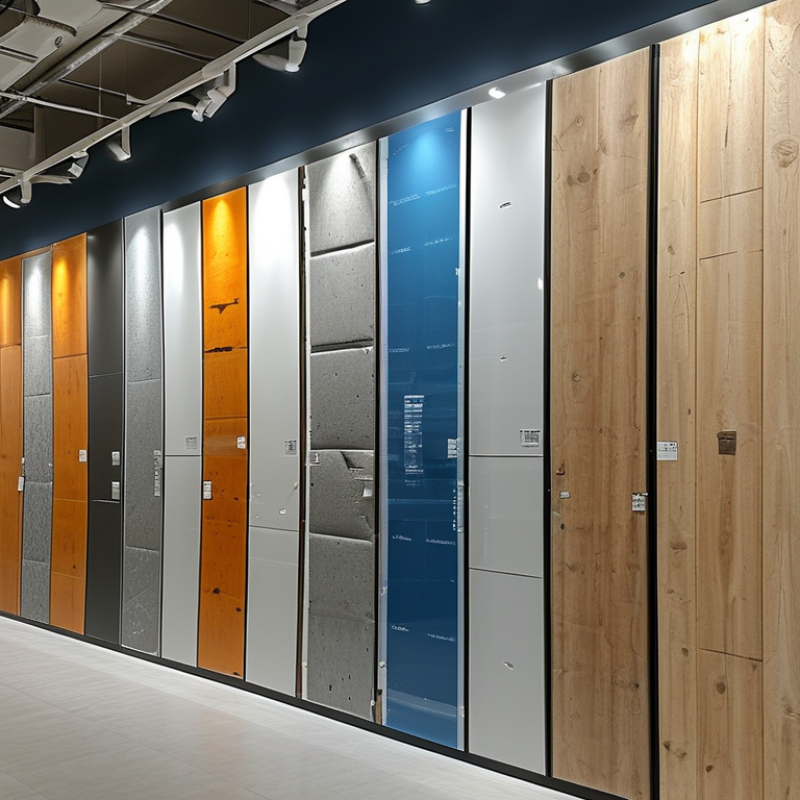
Top Insulation Wall Panels Tips for Global Buyers?

Understanding the Benefits of Insulation Wall Panels for Global Buyers

Insulation wall panels offer numerous benefits for global buyers looking to enhance the energy efficiency of their buildings. These panels act as thermal barriers, significantly reducing heat loss in winter and keeping interiors cooler in summer. This can lead to lower energy costs and a smaller carbon footprint, two aspects increasingly important to environmentally conscious buyers. The diverse materials available, such as polyurethane or EPS, cater to various needs and preferences, strengthening their appeal.

However, selecting the right insulation wall panels is not always straightforward. Some buyers may struggle with understanding insulation values, such as R-value, which measures thermal resistance. This is crucial since higher values typically indicate better insulation. To further complicate matters, market standards vary globally. Some buyers might be unsure about local regulations that govern insulation performance and installation practices. Knowing these aspects can make a significant difference in investment returns.

Furthermore, it is essential to assess the long-term durability of insulation panels. While they provide immediate benefits in energy savings, some products may not withstand moisture or extreme conditions over time. Regular assessments of material performance in different climates are vital. Buyers should reflect on their unique requirements before making a choice, ensuring that their selected insulation wall panels align with both current needs and future aspirations.

Key Factors to Consider When Selecting Insulation Wall Panels

When selecting insulation wall panels, consider thermal performance. A report from the International Energy Agency reveals that poorly insulated walls can increase heating costs by up to 40%. Look for panels with high insulation values (R-values). Generally, a higher R-value indicates better thermal resistance. This ensures that your building remains comfortable in both winter and summer.

Another important factor is moisture resistance. Panels that absorb moisture can lead to mold growth. The American Society of Heating, Refrigerating, and Air-Conditioning Engineers emphasizes that moisture-related issues can compromise structural integrity. Choose panels specifically designed to resist moisture and enhance air quality in indoor environments.

Lastly, consider the environmental impact of the materials used. The Global Green Building Council highlights that building materials contribute to 11% of global greenhouse gas emissions. Opting for sustainable panels can reduce this footprint. Reflect on the source, manufacturing process, and recyclability of the insulation materials. Investing time in research will lead to better choices that align with sustainable building practices.

Types of Insulation Wall Panels and Their Applications in Different Climates

Insulation wall panels play a vital role in enhancing energy efficiency across diverse climates. In warmer regions, panels made from materials like polystyrene and polyurethane are effective. These materials provide high insulation values, helping to keep interiors cool. According to the U.S. Department of Energy, using insulated wall panels can reduce energy costs by up to 30% in such climates.

In colder areas, mineral wool or fiberglass panels often excel. These materials offer superior thermal resistance, creating a barrier against harsh winter conditions. The International Organization for Standardization reports that effective insulation can prevent up to 25% of heat loss in residential buildings. Understanding specific climate requirements is crucial for optimal energy efficiency. Miscalculating insulation needs may lead to temperature discomfort and increased energy use.

Innovations such as reflective insulation panels have gained popularity. These are particularly beneficial in regions with extreme temperature fluctuations. They reduce heat gain and loss through radiant barriers. However, improper installation can hinder performance. Buyers must ensure skilled installation for maximum efficiency. In short, awareness of climate needs and precise insulation selection lead to better energy conservation and comfort.

Installation Tips for Maximizing the Efficiency of Insulation Wall Panels

When installing insulation wall panels, ensure a proper fit. Gaps can reduce efficiency significantly. Measure your walls carefully. Cut the panels to size with precision. This prevents air leaks and maintains insulation integrity. Using an appropriate adhesive or fastening method is crucial. Poor attachment can lead to thermal bridging, which diminishes the panels' effectiveness.

Consider the installation environment. If it's humid, use moisture-resistant panels. This can help avoid mold issues later. Pay attention to the seams; they should be sealed well. Using tape or additional adhesive can be valuable here. Over time, neglecting these details can lead to costly repairs or reduced insulation performance.

Monitor the temperature during installation as well. Extreme conditions can affect the adhesion process. Installers should be aware of the materials' limitations. Each panel type has its own specifications. A one-size-fits-all approach is often ineffective. Adapting to the specific requirements of the project can drastically improve results. Make notes on what works and what doesn't for future projects.

Top Insulation Wall Panels Tips for Global Buyers

Tip Description Benefits Considerations
Choose the Right Material Select insulation materials based on the climate and specific needs of the building. Enhanced thermal performance and energy savings. Evaluate local building codes and material availability.
Proper Installation Technique Ensure panels are installed with tight fits, reducing thermal bridging. Improved insulation effectiveness and durability. Consider professional installation to avoid common pitfalls.
Add a Vapor Barrier Install a vapor barrier to prevent moisture buildup within walls. Protects insulation integrity and prevents mold growth. Ensure correct placement according to climate conditions.
Regular Maintenance Check insulation panels and barriers regularly for signs of wear or damage. Prolongs lifespan and maintains energy efficiency. Schedule maintenance at least once a year.
Consult Experts Seek advice from professionals for customized insulation solutions. Access to tailored advice and better solutions. Consider costs versus potential gains in efficiency.

Maintaining and Upgrading Insulation Wall Panels for Longevity

Insulation wall panels play a crucial role in enhancing energy efficiency. Proper maintenance and upgrades can significantly extend their lifespan. According to industry reports, well-maintained insulation systems can improve energy performance by up to 30%. However, many building owners overlook the signs of wear and tear. Regular inspections can help identify potential issues like moisture intrusion or material degradation early on.


To ensure longevity, consider periodic cleaning. Dust, dirt, and debris can degrade the insulation material over time. Additionally, check for gaps or cracks around the edges of panels. These can compromise thermal performance. Using a quality sealant can effectively mitigate these gaps. The National Insulation Association emphasizes that repairing these issues can result in energy savings of 10-20%.


Another important aspect is choosing the right upgrade materials. Opt for panels with high R-values, as they provide better insulation efficiency. Some modern materials include polyisocyanurate and expanded polystyrene, which are known for their durability. However, it's essential to evaluate the environmental impact of these materials. They may release harmful chemicals if not disposed of properly. Keep an eye on the long-term effects of insulation upgrades, remaining mindful of sustainability. Regular maintenance and informed upgrades can make a meaningful difference in energy conservation and cost savings.

FAQS

: What are the benefits of insulation wall panels?

: They reduce heat loss in winter and keep interiors cooler in summer. This leads to lower energy costs.

How do I determine the right insulation value?

Look for the R-value, which measures thermal resistance. Higher values typically indicate better insulation.

Are there different types of insulation panels?

Yes, there are various materials like polystyrene, polyurethane, mineral wool, and fiberglass, suitable for different climates.

What happens if I choose the wrong insulation?

Miscalculating insulation needs can lead to discomfort and higher energy usage. This could affect your investment returns.

How important is the installation environment?

It's vital. In humid conditions, use moisture-resistant panels to avoid future mold issues and maintain performance.

What installation tip should I prioritize?

Ensure a proper fit. Gaps can reduce efficiency significantly. Measure and cut panels carefully to prevent air leaks.

How can I enhance installation efficiency?

Seal seams well using tape or adhesive. Neglecting these details can lead to costly repairs later.

Should I monitor conditions during installation?

Yes, extreme temperatures can affect adhesion. Be aware of the materials' limitations for optimal results.

Is it important to reflect on past projects?

Absolutely. Make notes on what worked and what didn’t. Reflection can lead to better decisions in future installations.

Conclusion

Insulation wall panels offer significant benefits for global buyers, including improved energy efficiency, reduced heating and cooling costs, and enhanced comfort within buildings. Understanding these advantages is crucial when selecting the appropriate type of insulation wall panel. Factors such as climate, material choices, and intended application play a vital role in making an informed decision.

Additionally, proper installation techniques are essential for maximizing the efficiency of insulation wall panels, ensuring optimal thermal performance. Buyers should also focus on maintenance strategies to prolong the lifespan of their insulation solutions, including regular inspections and timely upgrades. Ultimately, selecting the right insulation wall panels and caring for them can lead to substantial long-term benefits for any construction project.


Henry

Henry

Henry is a dedicated marketing professional with a profound expertise in the company's offerings. With years of experience in the industry, he possesses an impressive understanding of the market dynamics and consumer behaviors that drive success. Henry is committed to sharing his insights through......