Choosing the right Wpc Outdoor Wall Panel manufacturer involves more than comparing attractive product photos. Outdoor walls face sunlight, rain, humidity, temperature changes, and occasional impact. A dependable supplier should explain its material composition, surface technology, installation system, and quality controls clearly.
This guide examines ten manufacturers with practical buying decisions in mind. It considers panel density, wood-plastic ratios, color stability, moisture resistance, texture consistency, and available dimensions. Manufacturing experience also matters. Companies with established production lines often provide more reliable batches, clearer technical data, and stronger after-sales support. Still, polished websites do not prove performance.
Request physical samples before placing a large order. Touch the surface, inspect the edge profile, and compare color under direct sunlight. Ask whether the panels require expansion gaps, special fasteners, or a ventilated substructure. Warranty terms deserve careful attention, especially when installation conditions can affect performance. A useful supplier should answer these questions without vague promises.
The selection process is not perfectly simple. Some manufacturers publish detailed certifications, while others provide limited information despite offering decent products. Independent testing, project references, and documented compliance can reduce uncertainty. However, test results may apply only to specific models or production batches. Verify the exact product code.
The final ranking focuses on practical value, technical transparency, customization ability, production capacity, and buyer confidence. It does not treat the lowest price as the best deal. A cheaper panel may require more maintenance or create installation delays. That detail is easy to overlook. Careful comparison helps architects, contractors, distributors, and homeowners choose a manufacturer suited to their climate, budget, and project expectations.
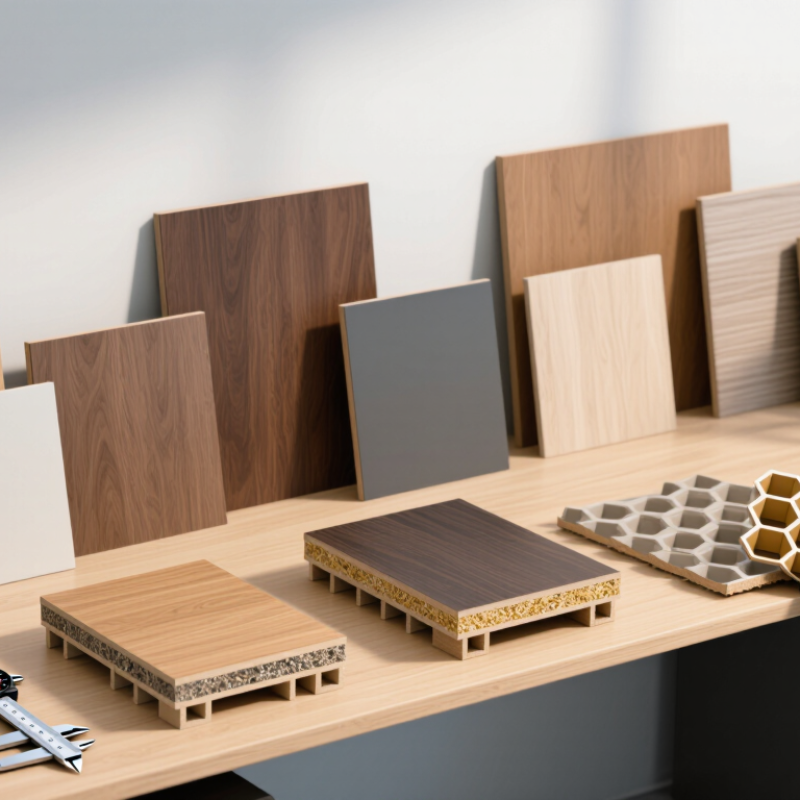
WPC outdoor wall panels are cladding boards made from wood fibers or flour, thermoplastic resin, and performance additives. They give walls a wood-like texture without relying on solid timber alone. In practice, installers leave room for expansion and follow the panel maker’s fixing guidance; afternoon heat can shift boards slightly. They are often chosen for exterior renovations because they need less routine painting than timber. But they are not maintenance-free. Dust, algae, and surface fading still deserve attention.
The broader market is growing, though that figure does not measure outdoor wall panels alone. Grand View Research’s Wood Plastic Composites Market Size, Share & Trends Analysis Report estimated the global WPC market at USD 7.50 billion in 2023 and forecast an 11.9% compound annual growth rate from 2024 to 2030. That demand reflects uses across several industries, not just cladding. The trade-off is real: resin-rich boards may handle moisture better, while lighter finishes can show dirt less quickly. Still, shade, drainage, fastening details, and local weather affect performance. A sample board outdoors can reveal more than a brochure. Check it after rain and in direct sun.
Choosing a WPC outdoor wall panel manufacturer takes more than comparing prices. Ask what the panels contain, including the wood-fiber and polymer proportions, and whether these vary between production runs. Request technical data on water absorption, UV exposure, dimensional stability, and fire performance where relevant. Ask for proof. Clear test methods and dated reports are more useful than broad claims such as “weatherproof.”
Review a physical sample in daylight. Check its color, surface texture, edges, and how firmly its joints connect. If possible, ask for a larger sample; a small swatch can hide uneven patterns or finish defects. Small details matter. Discuss installation requirements, including the recommended fixing system, expansion gaps, and compatible trims. A manufacturer that explains these clearly may help prevent avoidable problems on site.
Check production consistency and after-sales support, not just the first sample. Ask how the factory tracks batches, handles damaged deliveries, and responds to technical questions. Request references for outdoor projects in a climate similar to yours, then ask what maintenance those owners actually perform. Warranty terms deserve careful reading: coverage, exclusions, and required installation conditions should be specific. I would not treat a polished brochure as proof of reliability; honestly, paperwork can look convincing while leaving practical questions unanswered.
When comparing the top 10 WPC outdoor wall panel manufacturers to consider, look beyond polished product photos. Ask for a current technical data sheet, installation guide, and clear warranty terms. Check whether panels are designed for your climate, especially if the wall receives strong afternoon sun or frequent rain. A small sample helps reveal surface texture, color variation, and edge quality.
Reliable manufacturers should explain their material composition and production tolerances in plain language. Ask how the panels handle moisture, temperature changes, and fading, and what maintenance they recommend. If possible, inspect a completed installation or speak with a contractor who has used the panels outdoors. Details matter. A tongue-and-groove profile may look neat in a brochure, but uneven boards can create visible gaps on a long wall.
Compare lead times, minimum order quantities, packaging, and replacement-part availability before choosing a supplier. Request written confirmation of panel dimensions and compatible fasteners; small mismatches can complicate installation. Be cautious with broad claims such as “maintenance-free” unless the manufacturer provides supporting test information. Some product pages leave important questions unanswered. That is worth noticing, not ignoring. A careful shortlist should include manufacturers that respond clearly, provide consistent documentation, and can explain where their panels are best suited.
When comparing ten WPC outdoor wall panel manufacturers, look beyond color cards and headline prices. Ask for a current technical sheet showing panel dimensions, weight, composition, and recommended installation gaps. Consistent thickness and straight edges make fitting easier; uneven profiles can create visible steps across a wall. Check how the surface handles UV exposure, moisture, and temperature changes, and request test information where available. Small details matter. A sample should be viewed outdoors, not only under showroom lights, where colors may look different.
Value depends on more than the cost per square meter. Compare delivery charges, matching trims, fasteners, warranty coverage, and the process for replacing damaged boards. Clarify whether the warranty excludes fading, installation errors, or harsh site conditions. Those exclusions can change the real cost. A low-priced panel may be a sensible choice for a sheltered wall, but less suitable for strong sun or frequent rain. I would not judge durability from one small sample alone; a full-length piece may reveal bowing or finish variation. Supplier responses also count: clear installation guidance is useful, though polished sales language is not proof of quality.
How the Leading Manufacturers Compare in Quality and Value
This chart shows an example 100-point evaluation rubric, not measured scores for specific manufacturers. Use it to compare product specifications, test documentation, installation details, warranty terms, and pricing when assessing suppliers.
Before buying WPC outdoor wall panels, check more than color and price. Ask for a technical data sheet showing the wood-plastic composition, panel dimensions, and recommended installation conditions. Request test results for UV exposure, water absorption, and dimensional change, including the test methods used. Numbers without context are hard to compare. A small sample can also hide surface variation, so view several panels outdoors in daylight and check their edges, finish, and locking joints.
Installation details matter just as much as panel quality. Confirm the required support spacing, expansion gaps, ventilation, and drainage for your wall and climate. Ask which fasteners are compatible and whether the instructions cover corners, openings, and cut edges. Tiny details matter. Check the warranty exclusions, expected maintenance, delivery times, and whether matching replacement panels may be available later. If possible, assemble a short mock-up before ordering a large quantity. A showroom sample proves little about how panels behave across a full wall. It is easy to focus on a low unit price; that can be a costly shortcut when installation parts or waste are left out of the quotation.
Ask for the wood-fiber and polymer proportions, panel dimensions, and recommended installation conditions. Request dated test reports with clear methods. Numbers need context.
Check results for water absorption, UV exposure, and dimensional change. Ask how each test was performed. Broad claims alone tell you little.
View several panels outdoors in daylight. Check their color, texture, edges, and locking joints. Small swatches can hide uneven patterns.
Ask about support spacing, expansion gaps, ventilation, and drainage. Confirm compatible fasteners and trim. Corners and cut edges matter too.
If possible, assemble a short section first. It can reveal joint or finish issues. A showroom sample proves little about a full wall.
Ask how batches are tracked and damaged deliveries are handled. Find out who answers technical questions. One good sample is not enough.
Read the coverage, exclusions, and required installation conditions. Ask about maintenance and matching replacement panels. The details can be easy to miss.
Include fasteners, trims, installation parts, and expected waste in the quotation. A low panel price can become a costly shortcut. I might still overlook something; check the site measurements again.
WPC Outdoor Wall Panel systems combine wood fibers and plastic to create exterior cladding designed for a balance of appearance, durability, and practical maintenance. They are used to update outdoor walls while helping resist moisture, fading, and everyday wear. Choosing a suitable product involves looking beyond appearance: buyers should assess material composition, manufacturing consistency, weather resistance, warranties, installation support, and the manufacturer’s experience with outdoor applications.
This overview considers ten types of manufacturers to explore and explains how to compare their products for quality and value. A useful comparison weighs panel strength, finish options, dimensional consistency, maintenance needs, and total project cost rather than focusing on price alone. Before buying, confirm the panel dimensions, color availability, installation requirements, delivery arrangements, and after-sales support. These checks can help match the product to the climate, design, and performance needs of a particular project.