Direct from China's Tier-1 Supply Chain Network | Fully Certified to CE, ASTM & EN Standard Frameworks

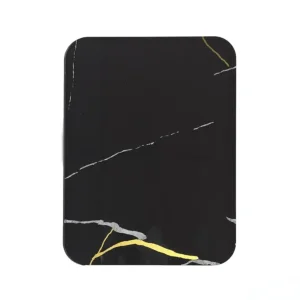
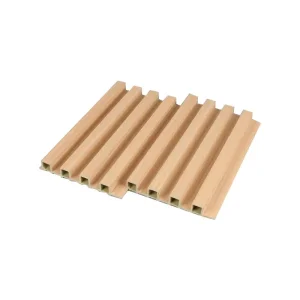
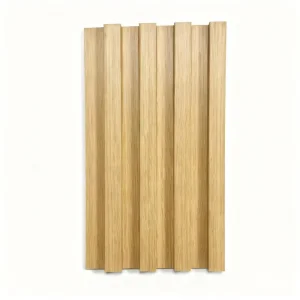
Analyzing material science evolutionary curves, supply chain dynamics, and regulatory developments reshaping commercial interiors.
The global commercial interior finishing industry is undergoing a structural paradigm shift. Developers, structural engineers, and interior architects are systematically abandoning traditional plaster wet-work and heavy MDF paneling in favor of highly modular, low-density, engineered PVC (Polyvinyl Chloride), SPC (Stone Plastic Composite), and WPC (Wood Plastic Composite) systems. Rising global labor costs, combined with compressed construction timelines and aggressive ESG (Environmental, Social, and Governance) targets, have driven the demand for high-strength, lightweight, and low-VOC interior wall panels.
China continues to lead the global supply chain, accounting for over 70% of the world's production capacity for architectural polymer extrusions. The industry's evolution is characterized by advanced co-extrusion technology, VOC-free organic calcium-zinc stabilizers, and high-fidelity thermal transfer wood grain and stone decors. Modern interior panels are no longer viewed merely as cost-effective substitutes for wallpaper or tiles; they are now recognized as critical components of high-performance architectural envelopes that contribute to thermal efficiency, indoor air quality (IAQ), and localized sound isolation.
For international buyers—including distributors, sourcing agents, and procurement managers in North America, Europe, South America, and Southeast Asia—partnering with a seasoned exporter is essential. It ensures compliance with complex international quality standards (such as CE marking, ASTM standards, RoHS directives, and EN fire safety ratings) while maintaining the supply chain stability needed to mitigate shipping fluctuations and tariff barriers.
| Material Variant | Structural Composition | Density Range (g/cm³) | Flame Retardancy Standard | Best Application Environments |
|---|---|---|---|---|
| Advanced PVC Foam | Foamed Polyvinyl Chloride + Organic Stabilizers | 0.45 - 0.70 | EN 13501 Class B-s1, d0 | Office partitions, retail visual displays, wet bathroom areas |
| WPC (Wood Plastic Composite) | 60% Wood Fiber + 30% PVC + 10% Polymer Additives | 0.80 - 1.10 | ASTM E84 Class B / EN Class B | Resort lobbies, residential feature walls, acoustic baffles |
| SPC (Stone Plastic Composite) | 70% Calcium Carbonate (Limestone) + 30% PVC | 1.90 - 2.20 | EN 13501 Class B-s1, d0 (Self-extinguishing) | High-traffic hospital corridors, commercial kitchens, education facilities |
| Carbon Crystal UV Panels | Bamboo Fiber Crystalline Substrate + UV Protective Layer | 0.75 - 0.95 | GB 8624 Class B1 | High-end residential bedrooms, hotel headboards, luxury boutiques |
A Legacy of 25 Years in Integrated Building Material Systems: Wall, Ceiling, and Floor Solutions
The name “Haofa” represents a commitment to a wide world with great potential. Operating as a consolidated industrial supplier, we specialize in wholesale commercial building materials and bespoke residential customization. For over 25 years, we have built a robust reputation within the interior building materials industry.
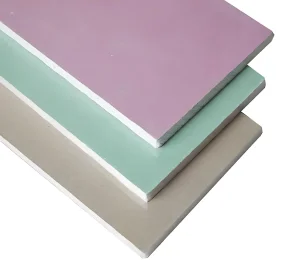
Our core solutions support three major architectural areas: Wall Systems, Ceiling Systems, and Flooring Systems. Our standard catalog includes light steel keels, gypsum board, mineral wool board, PVC wall panels, structural hardware accessories, and custom modular furniture.
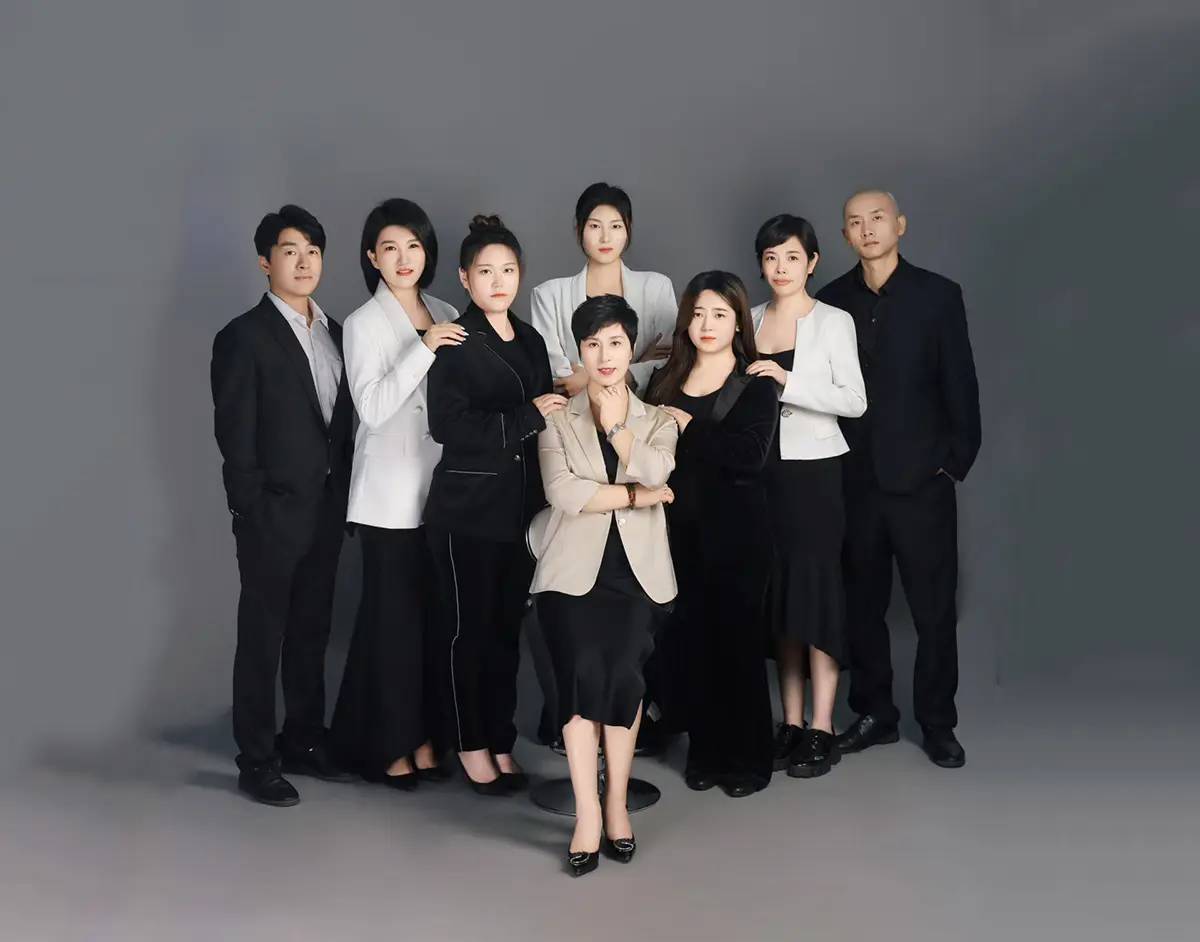
Under the strategic leadership of our founder, Ms. Zhang Xuedong, we have built deep partnerships with hundreds of premium factories across China. Our network spans more than 20 cities, serving nearly 3,000 global clients. Our experienced export team, averaging over 10 years of international trade experience, is divided into dedicated operations, purchasing, human resources, and business departments to ensure efficient, error-free global logistics.
How structural chemistry and advanced extrusion machinery are setting new industry limits for interior architectural polymers.
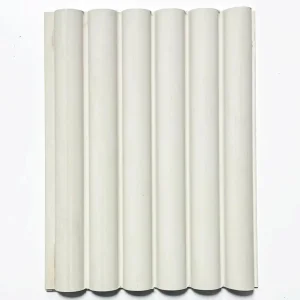
Modern PVC wall panel manufacturing has evolved from basic physical embossing to multi-layer co-extrusion. Advanced lines integrate a rigid PVC core with a protective co-extruded cap layer to increase impact resistance. For decorative finishes, we use PUR (Polyurethane Reactive) hot melt adhesives. Unlike traditional water-based or solvent adhesives, PUR is 100% solid, free of VOCs, and offers exceptional resistance to heat and moisture. This prevents delamination in high-humidity environments like tropical commercial sites or coastal hotels.
In response to international standards like the EU RoHS Directive and REACH regulations, our factories have replaced traditional heavy metal (lead-cadmium) heat stabilizers with organic calcium-zinc (Ca-Zn) alternatives. This shift ensures our PVC and WPC interior wall panels meet E0 safety ratings, keeping formaldehyde emission values well below 0.05 mg/m³. This compliance makes them ideal for environments with strict indoor air quality (IAQ) requirements, such as schools, clinics, and residential interiors.
The next generation of interior wall systems focuses on functional integration. Development teams are testing phase-change materials (PCMs) within the PVC core to provide passive thermal regulation. Additionally, carbon nanotube dispersion coatings are being evaluated to create anti-static, dust-repellent surfaces for cleanrooms and high-tech labs. We are also expanding our circular design initiatives, developing closed-loop recycling processes to ensure post-industrial PVC scraps can be fully reprocessed into high-performance sub-wall keels.
Pre-engineered product combinations designed to meet strict performance requirements for fire safety, acoustics, and structural loading.
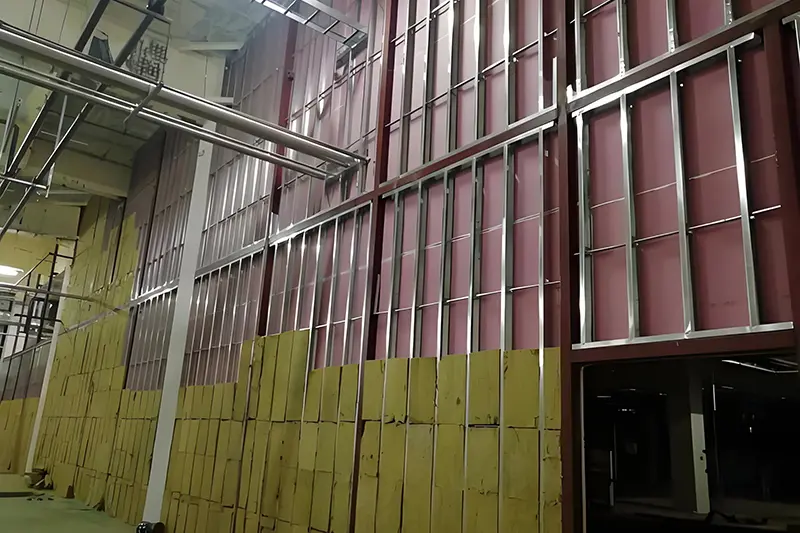
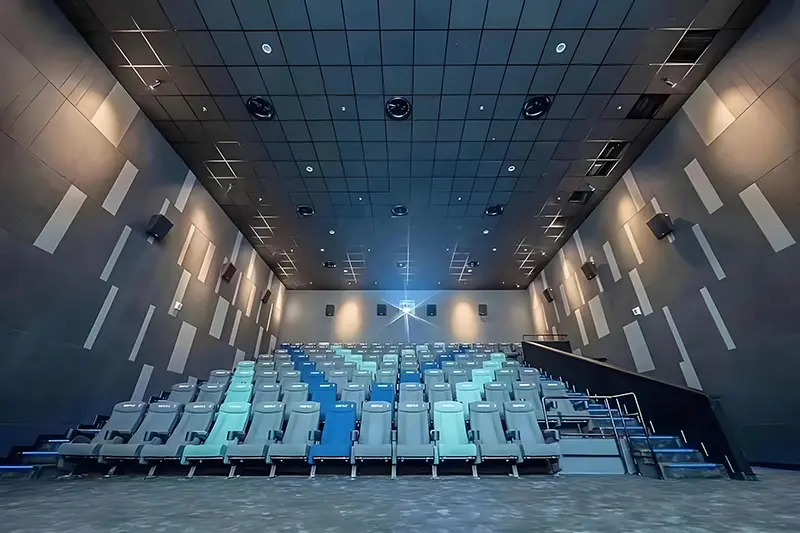
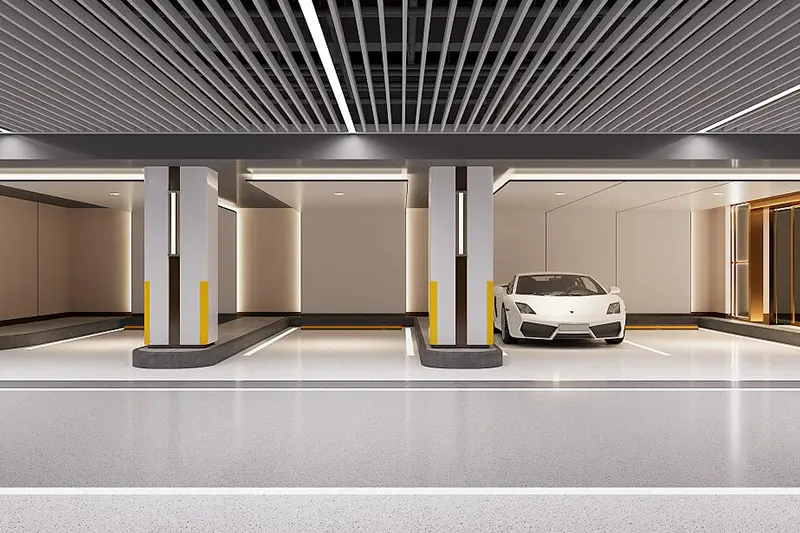
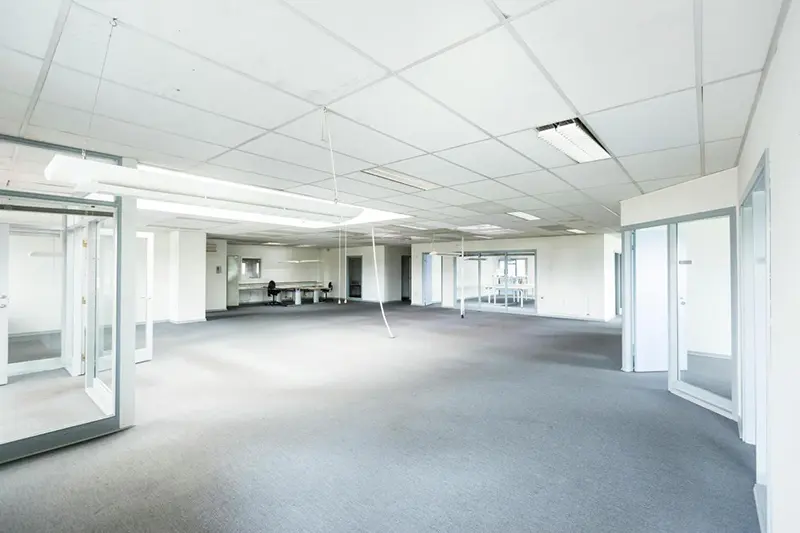
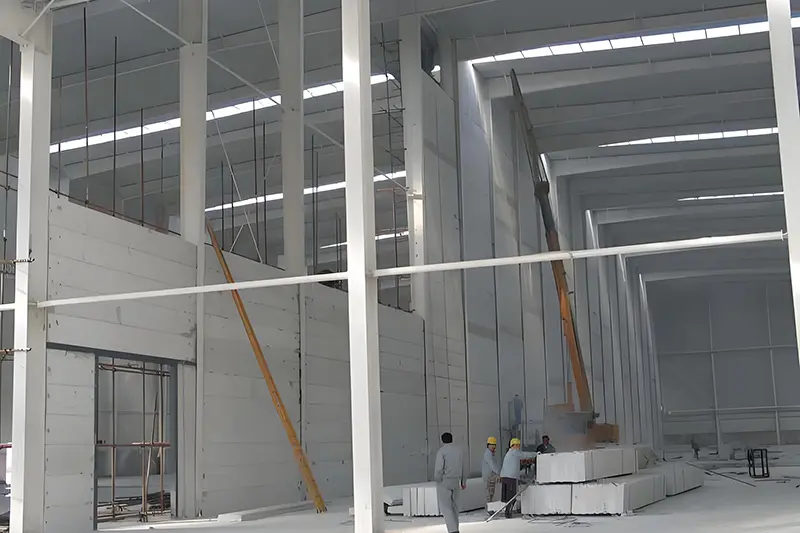
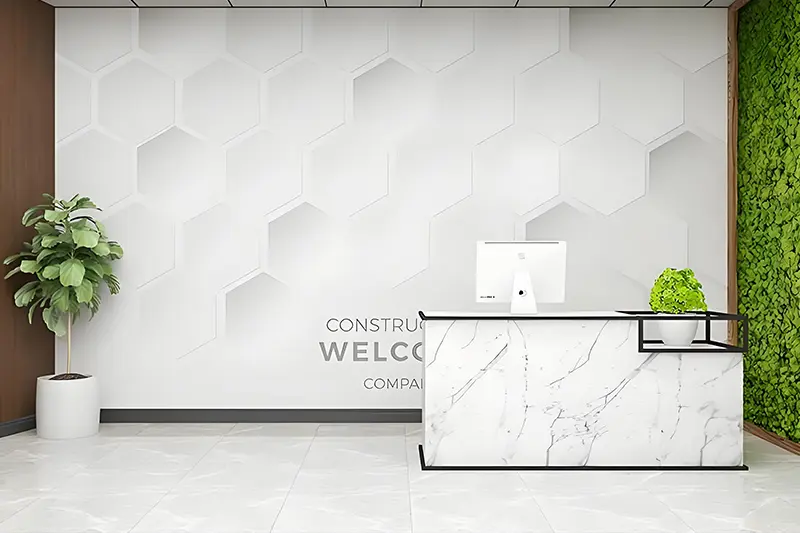
Explore our specialized range of lightweight, moisture-proof, and structural interior lining products.
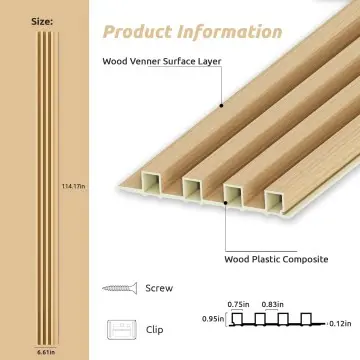
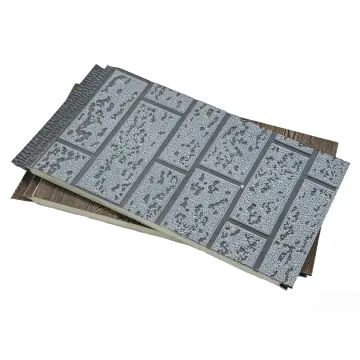
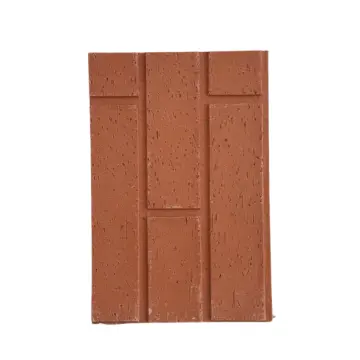
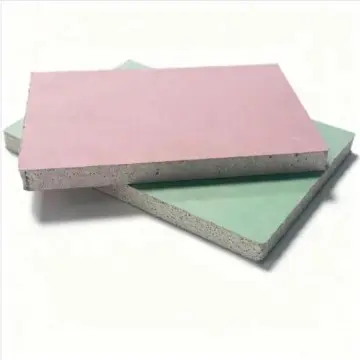
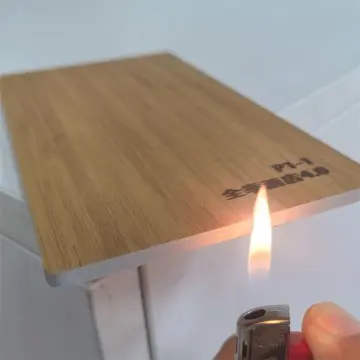
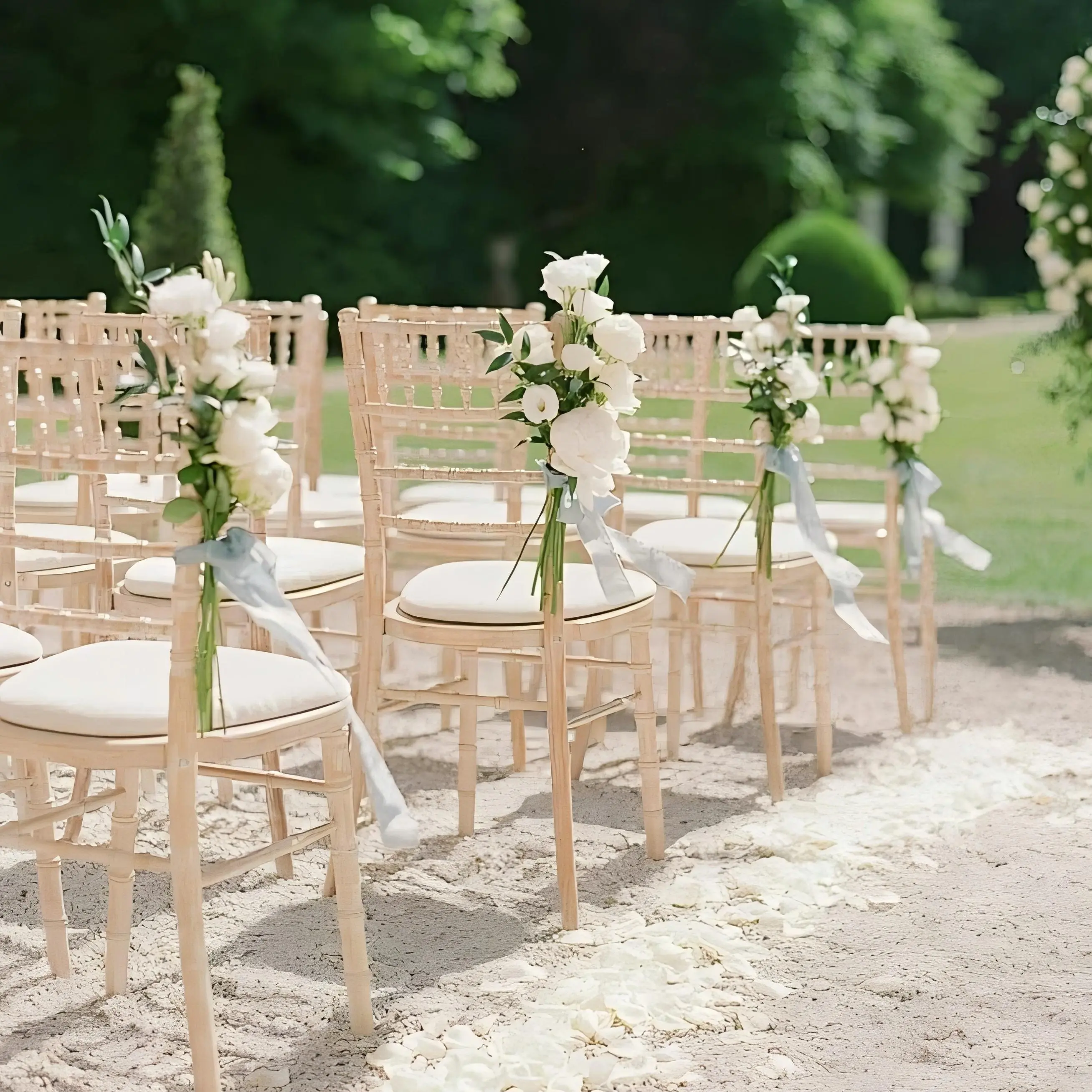
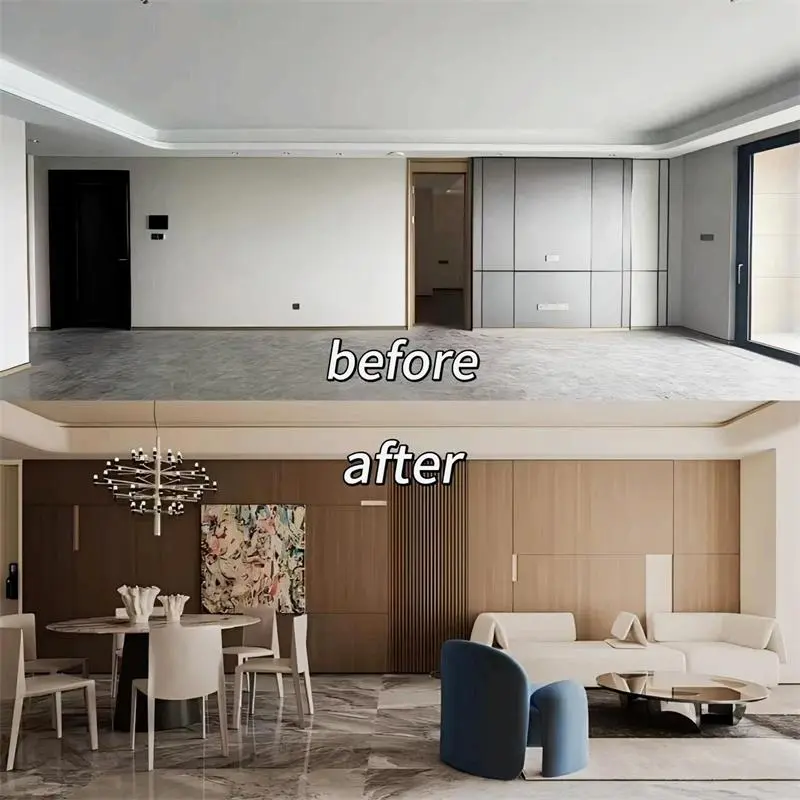
From high-humidity culinary areas to acoustic offices, discover how our custom panels are applied globally.
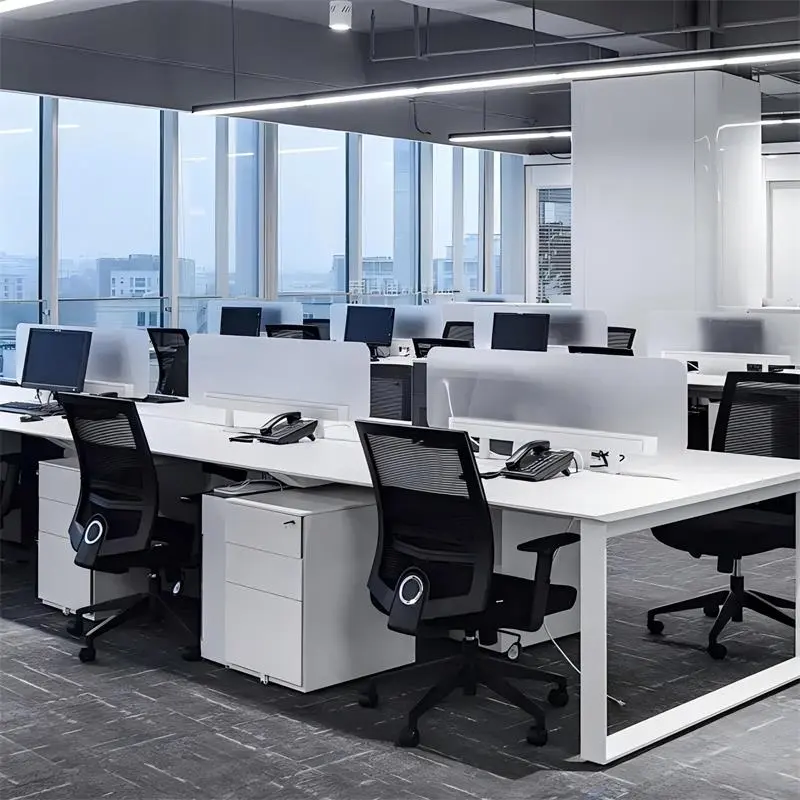
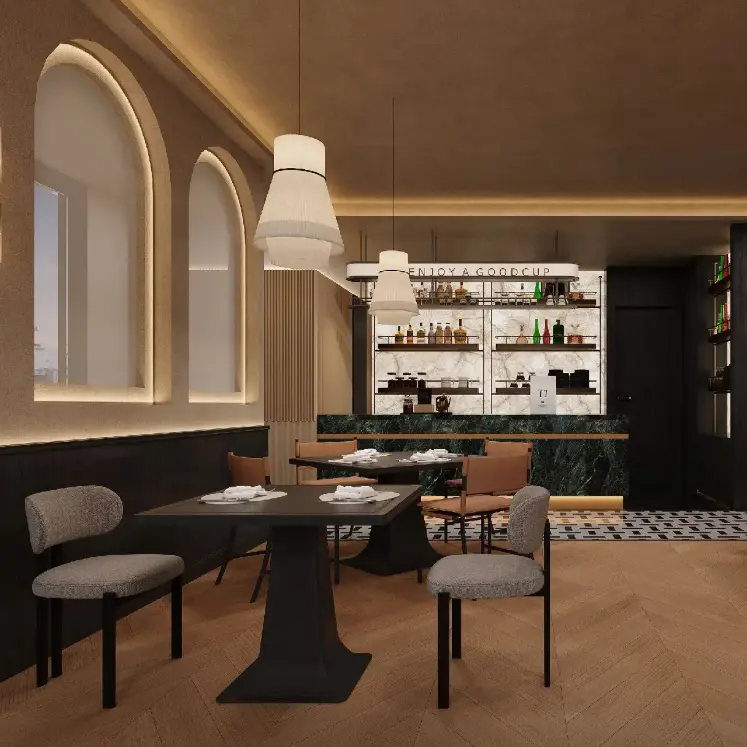
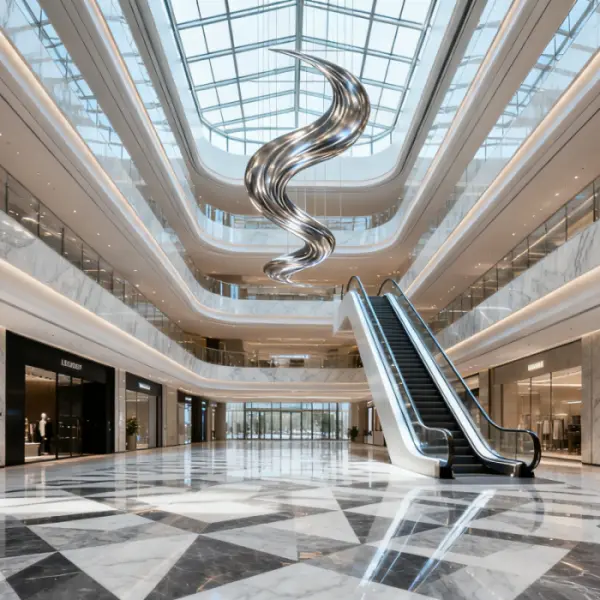
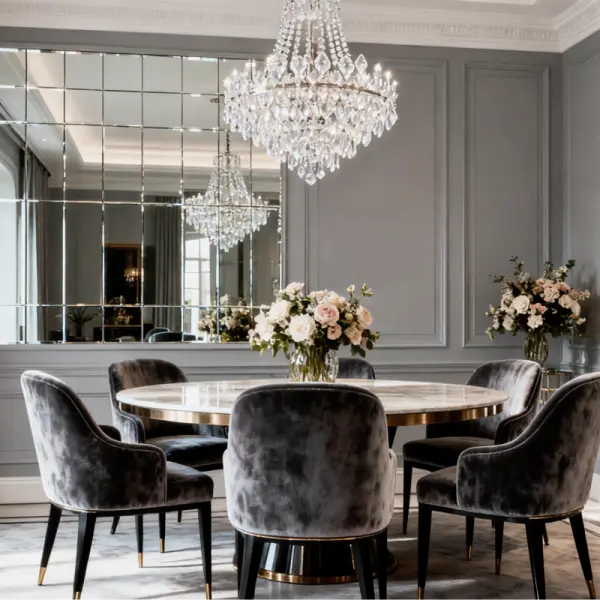
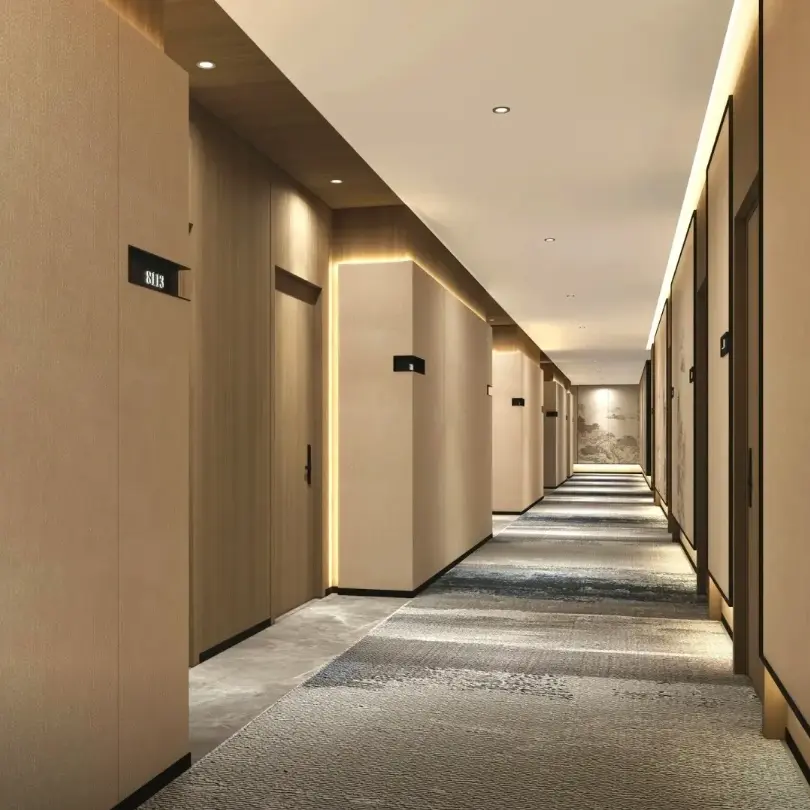
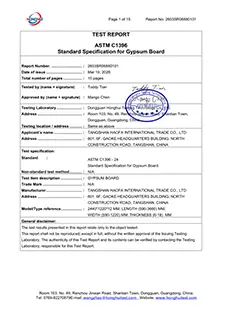
Our building materials have passed international certifications including CE, ASTM, RoHS and EN standards, as well as national & international environmental certifications, plus fireproof and moisture-proof industry certifications. As an industry leader, Haofa only delivers premium quality products.
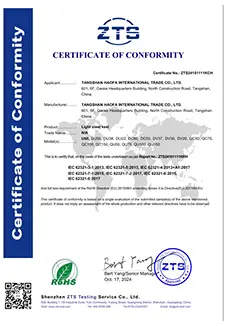
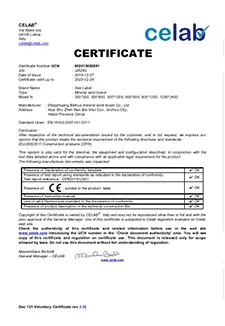
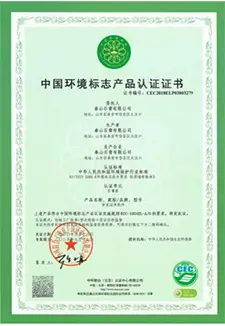
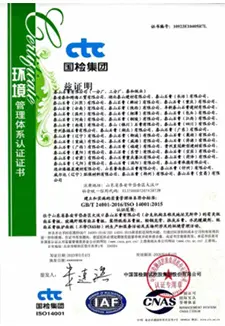
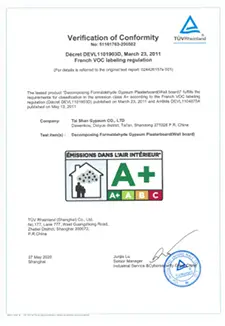
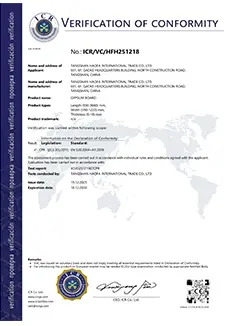
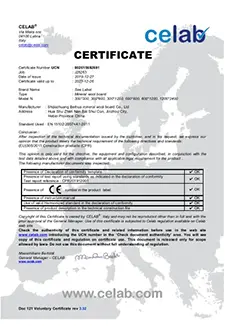
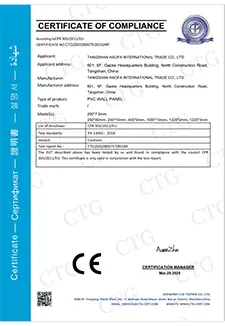
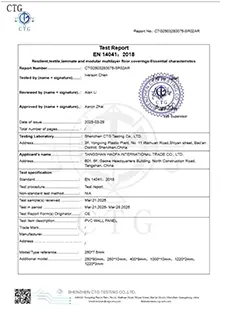
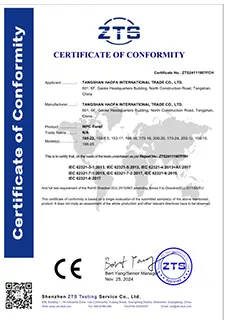
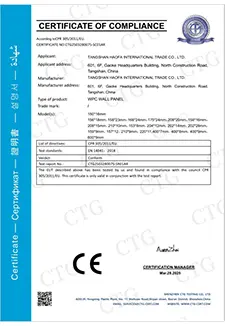
Why project engineers, real estate developers, and international trading companies trust Tangshan Haofa.
🔹 0% Order Default Rate in 25 years of domestic & global trade.
🔹 Complete alignment with client priorities regarding logistics, custom clearance, and dimensional specifications.
🔹 Certified products matching CE, ASTM, EN, and RoHS frameworks.
🔹 Engineered for fire resistance & sound insulation to satisfy local construction codes globally.
🔹 Deep partnerships with factories in over 20 cities across China.
🔹 Reliable, long-term logistics networks support DDP, CIF, FOB, and EXW shipment parameters.
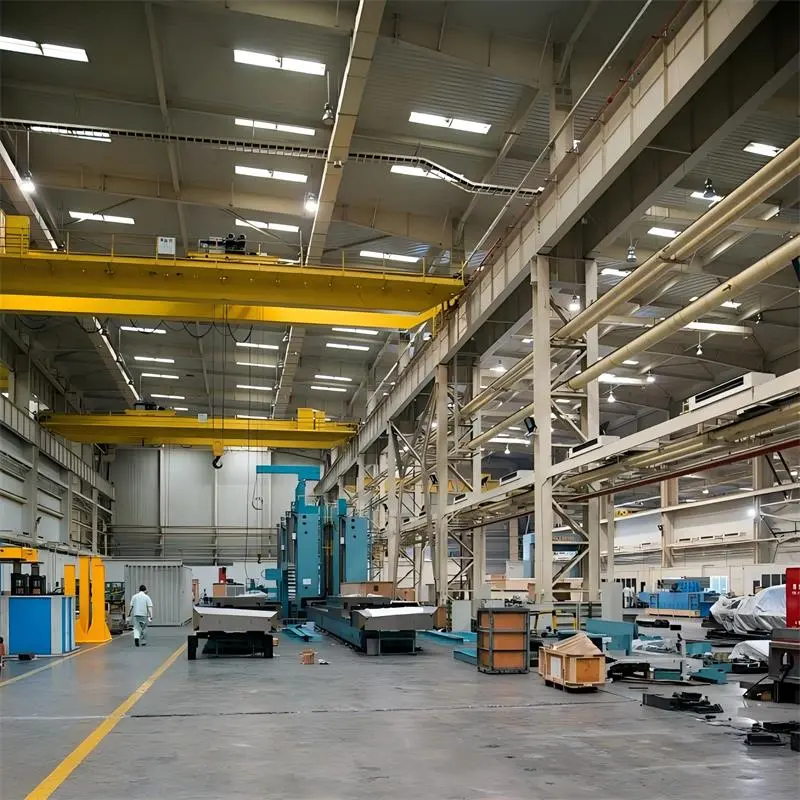
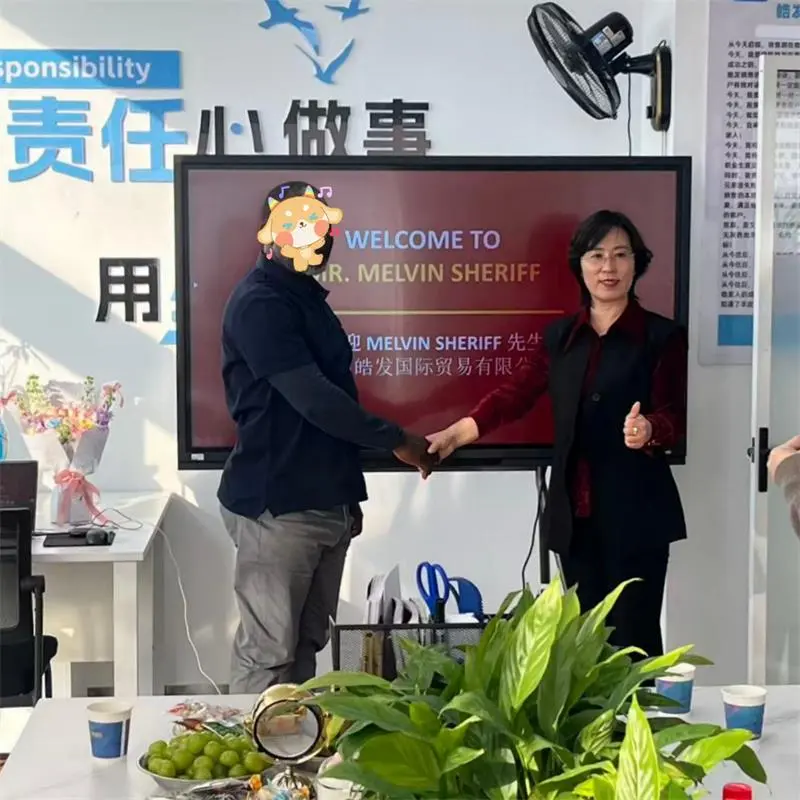
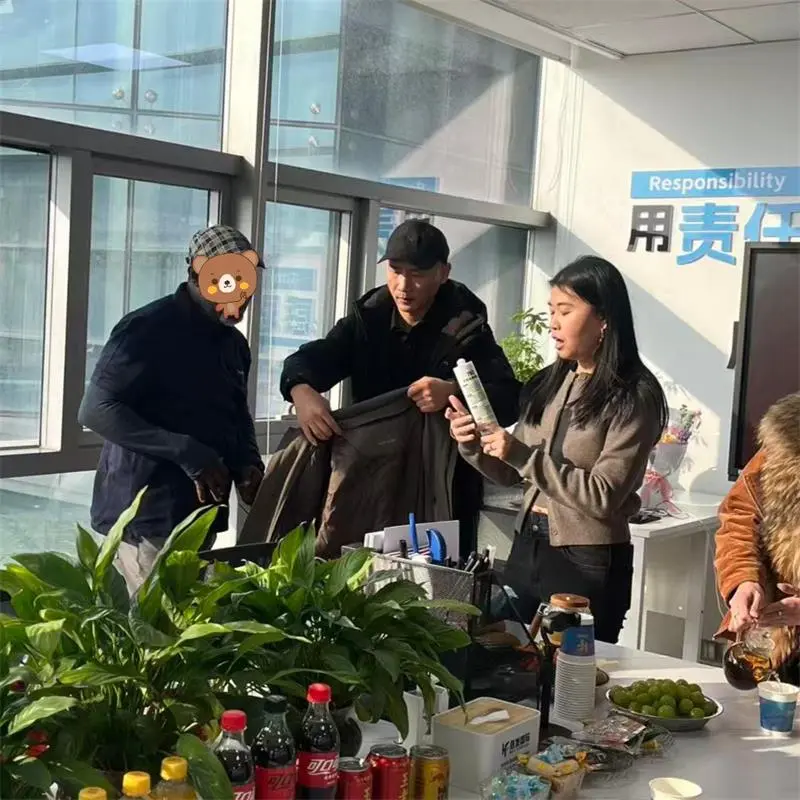
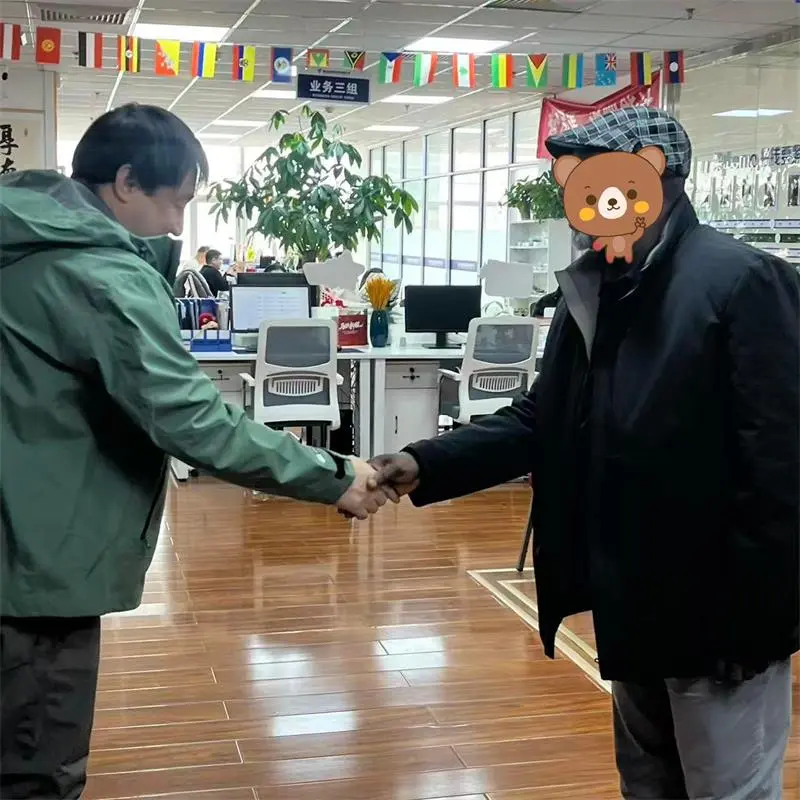
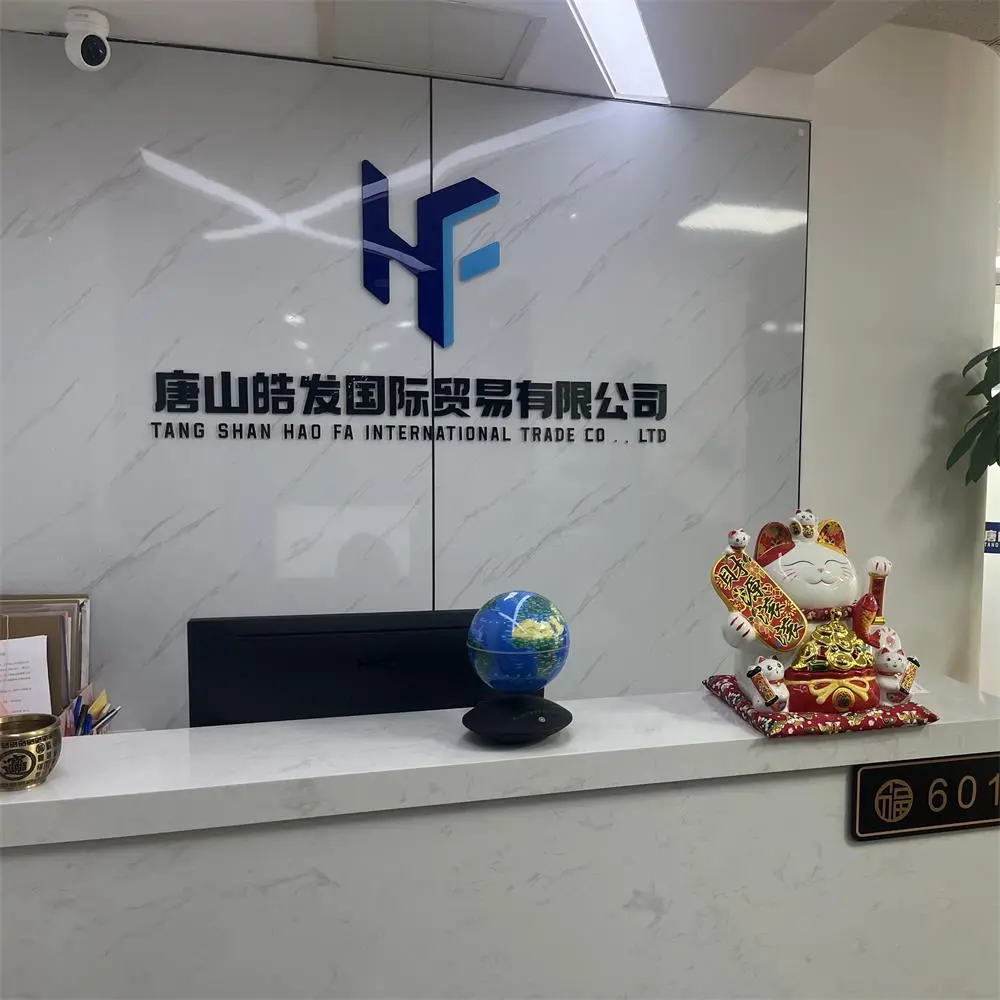
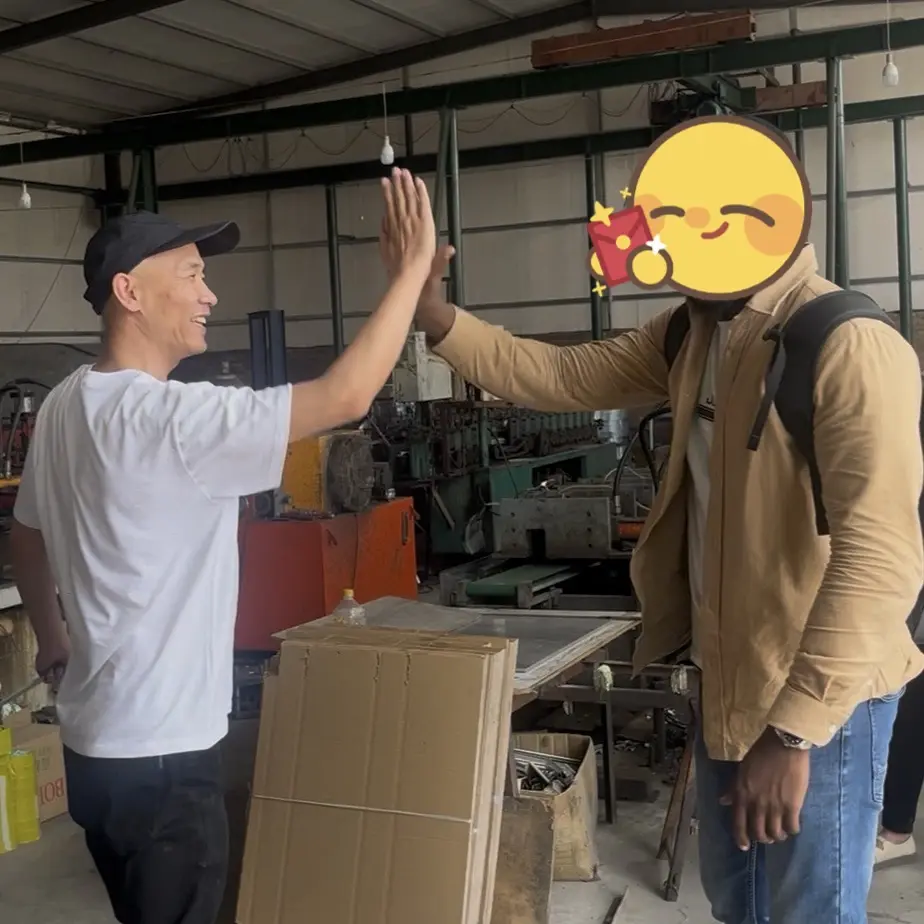
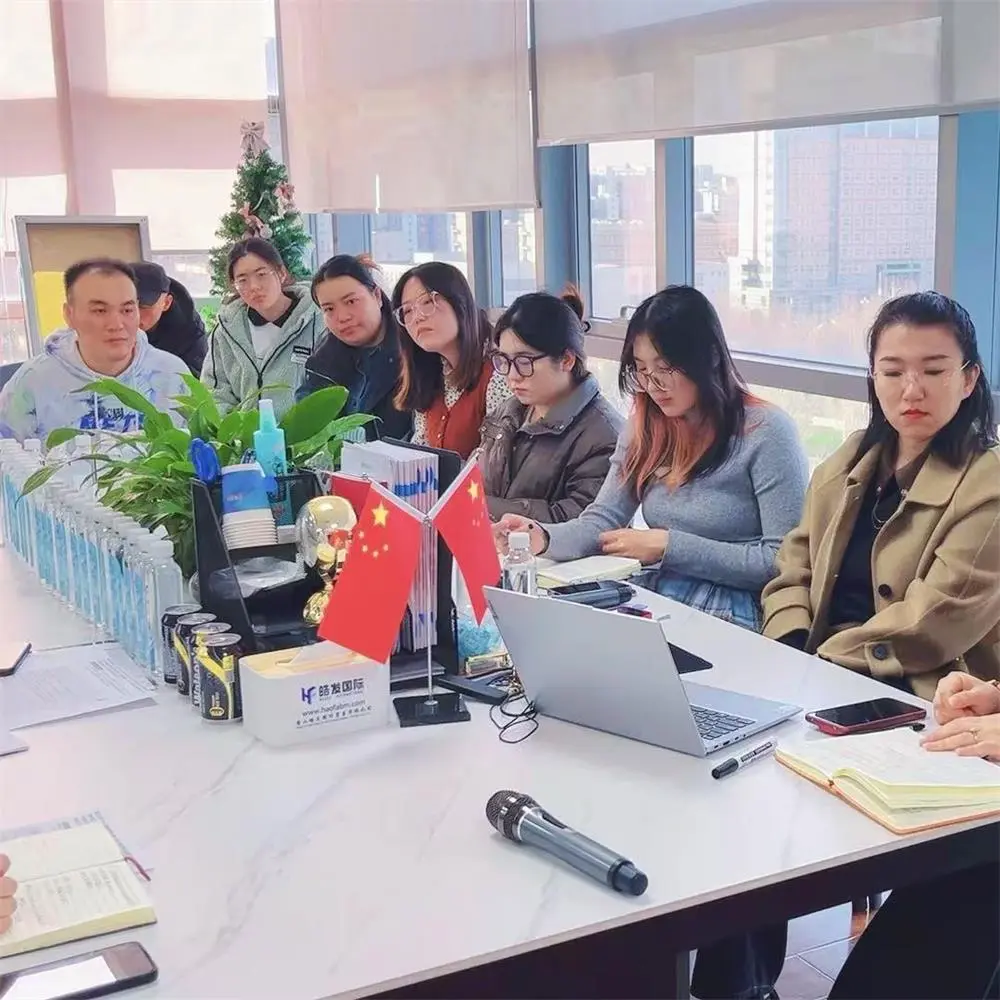
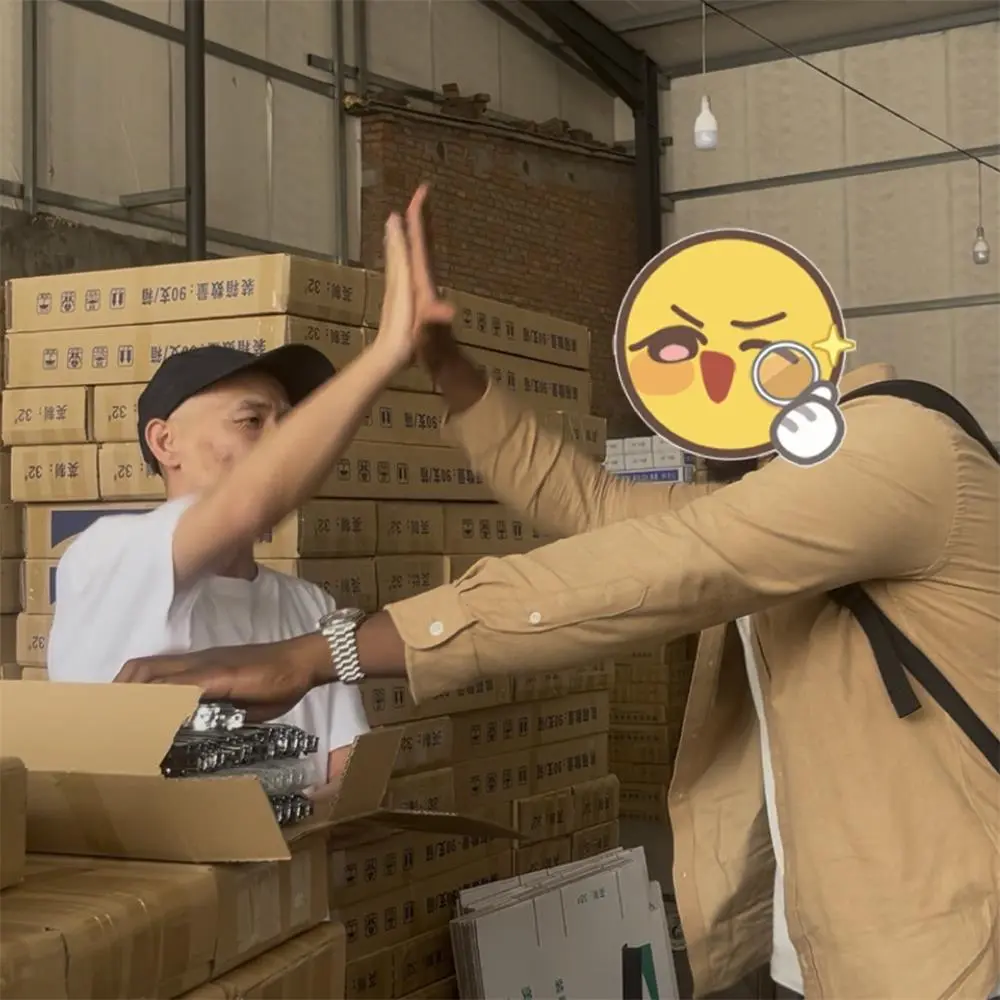
A transparent look into our operational facilities, quality control checkpoints, and global client interactions.

Expert answers addressing the technical, structural, and chemical questions asked by global civil engineers and contractors.
PVC wall panels are primarily composed of polyvinyl chloride polymer combined with foaming agents, creating a lightweight, lower-density panel (0.45 - 0.70 g/cm³) that is easy to cut and shape. Stone Plastic Composite (SPC) panels integrate a much higher percentage of natural calcium carbonate powder (limestone) with PVC resins. This results in a highly dense core (1.90 - 2.20 g/cm³) that offers superior impact resistance, dimensional stability, and self-extinguishing fire performance. SPC is ideal for heavy-traffic public spaces, while standard PVC panels are better suited for cost-effective residential and light commercial interiors.
Our standard and OEM PVC, WPC, and SPC wall panels are engineered with flame-retardant additives to meet international safety criteria. Under the EN 13501-1 European classification, our systems typically achieve a Class B-s1, d0 rating. This means they are flame-retardant, produce minimal smoke (s1), and generate no flaming droplets (d0). For projects requiring ASTM E84 testing, our Class A options meet strict regional building codes for high-occupancy commercial projects.
Our panels feature hydrophobic PVC polymer matrices that do not absorb water, keeping them dimensionally stable. For high-humidity installations (such as commercial kitchens, bathrooms, or underground facilities), we recommend our specialized moisture-resistant solution. This approach combines moisture-resistant gypsum sub-walls, light steel keels, and outer layers of PVC or UV-protected seamless panels. Because these materials lack organic cellulose, they cannot support mold or mildew growth, even in damp conditions.
Wood Plastic Composites (WPC) contain thermoplastic resins that expand and contract with temperature changes. Our products have a low thermal expansion coefficient, but we still advise contractors to leave a 2mm to 4mm expansion gap at borders, ceilings, and floors. For larger installations, using hidden metal clips on light steel keels allows the panels to adjust slightly as temperatures shift, preventing buckling or warping over time.
Yes, all our interior wall panel systems, ceiling tiles, and floor boards comply with CE certification, ASTM guidelines, and the RoHS directive. We prioritize zero-lead and low-formaldehyde formulations, ensuring our products achieve an E0 grade certification. This safety level makes them suitable for spaces with strict indoor air quality (IAQ) demands, including kindergartens and medical clinics.
With 25 years of global trade experience, we offer comprehensive logistics and document support under DDP, CIF, FOB, and EXW trade terms. Our team manages customs clearances, declarations, marine cargo insurance, and all necessary documentation. This ensures a smooth delivery process directly to your warehouse or project site, reducing administrative delays.
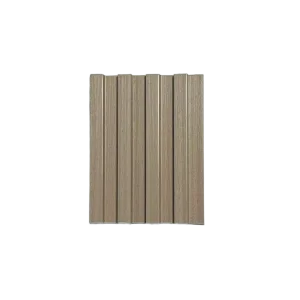
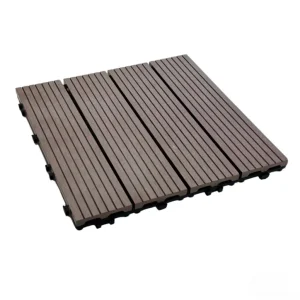
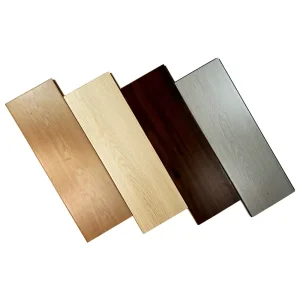
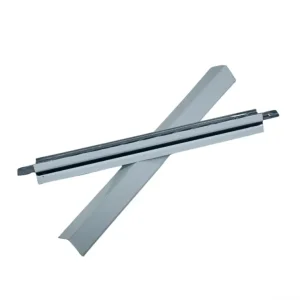
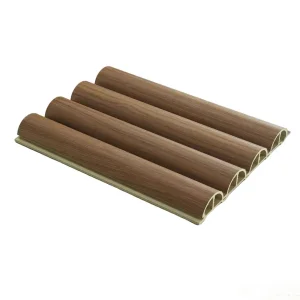
Architectural ceiling keels, acoustic soundboard configurations, and resilient outdoor flooring options.
Subscribe to receive our technical whitepapers, chemical compliance updates, and factory direct discount information.
Our products are trusted by architectural networks in the following regions:

 Haofa
Haofa