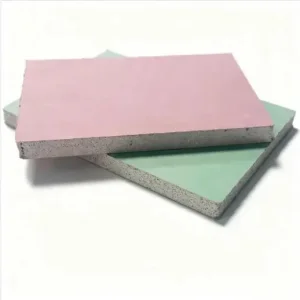
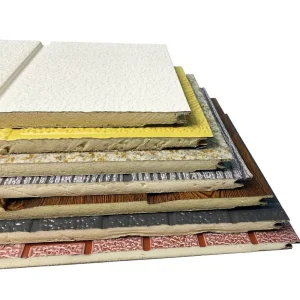
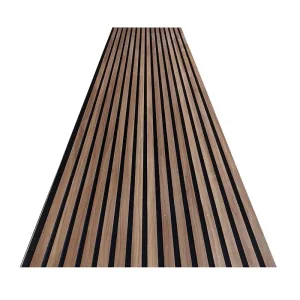
In modern architectural engineering, the synthesis of aesthetic flexibility and structural safety represents a critical design threshold. Historically, natural stone cladding offered premium architectural prestige but imposed massive static loads on structural grids, requiring complex metallic anchoring systems. Concurrently, strict regional fire safety regulations (such as ASTM E84 Class A, EN 13501-1 Class A2, and BS 476 Part 4/6/7) have constrained the adoption of lightweight polymer-based finishes.
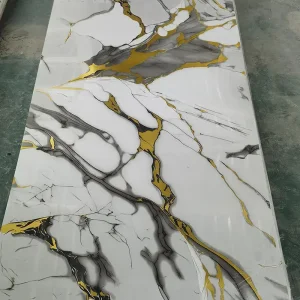
China's Stone Fireproof Wall Panel Flexible Decoration industry has engineered a transformative paradigm to resolve this classic engineering tension. Utilizing Modified Clay Materials (MCM) and advanced composite mineral matrices, contemporary manufacturers produce flexible stone panels that retain authentic geologic textures—such as granite, slate, travertine, and sandstone—while achieving high-performance fire-retardant capacities and elastomeric flexibility.
This technical whitepaper details the structural dynamics, material properties, and supply chain protocols established by Haofa to deliver compliant, innovative architectural skins to global contractors, developers, and project specification offices.
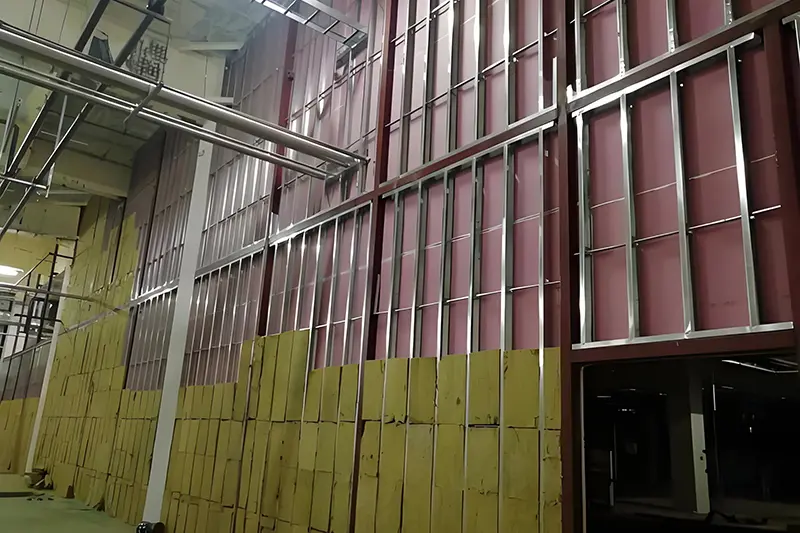
The core formulation of fireproof flexible stone relies on a hybrid matrix of mineral powders (e.g., quartz, basalt, kaolin) combined with inorganic binders and high-durability cross-linking polymers. Under specialized low-temperature baking and electronic cross-linking processes, these raw materials consolidate into a flexible, semi-crystalline sheet with a density significantly lower than natural slate.
When exposed to thermal stress, the inorganic mineral components act as a non-combustible shield. The structure exhibits minimal heat release, suppresses smoke propagation, and prevents toxic gas emissions (conforming strictly to RoHS and ASTM compliance metrics). This allows the cladding to withstand temperatures exceeding 1000°C while maintaining structural integrity, preventing substrate degradation, and providing crucial safety margins during fire events.
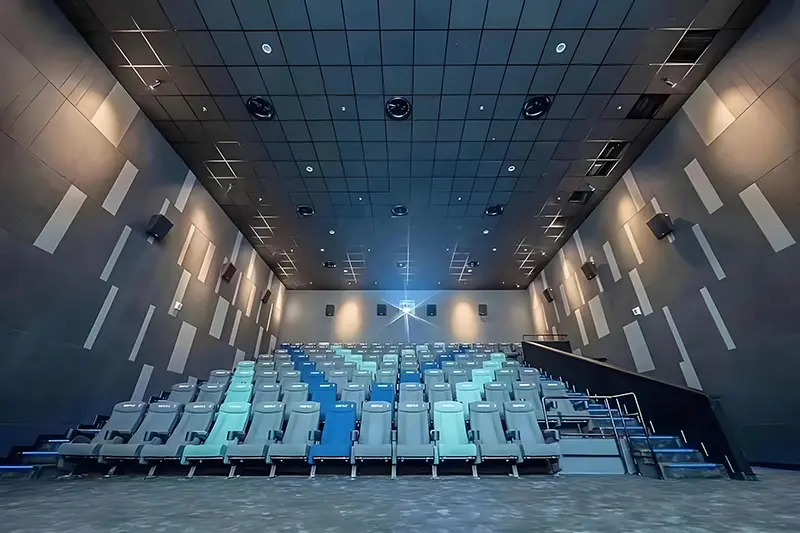
As sustainability frameworks (such as LEED v4.1, BREEAM, and DGNB) govern new commercial construction, global procurement heads are optimizing material specifications based on Life Cycle Assessments (LCA) and Carbon Footprint calculations. Flexible stone panels, which require significantly less energy to manufacture and transport compared to heavy quarry stones, offer a clear path to green building credits.
Key global procurement trends indicate a shift toward:
The name "Haofa" represents a wide world with great potential. Operating at the intersection of high-capacity material manufacturing and comprehensive global supply-chain integration, we have served the building materials sector for 25 years.
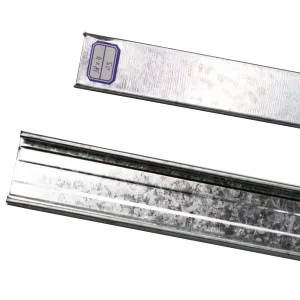
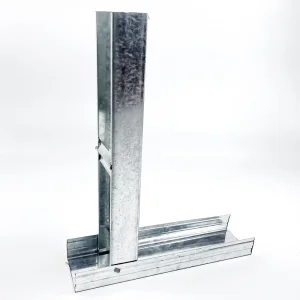
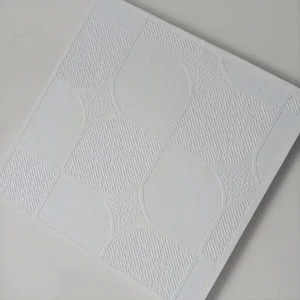
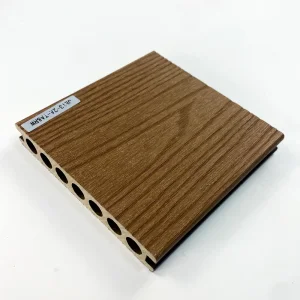
Our solutions span wall systems, ceiling systems, and flooring installations. Key systems include light steel keels, gypsum panels, mineral wool, WPC panels, SPC composite systems, and custom architectural accessories. We maintain relationships with hundreds of high-quality supply-chain factories across China, spanning a network that reaches 20 major industrial zones to support our global clients.
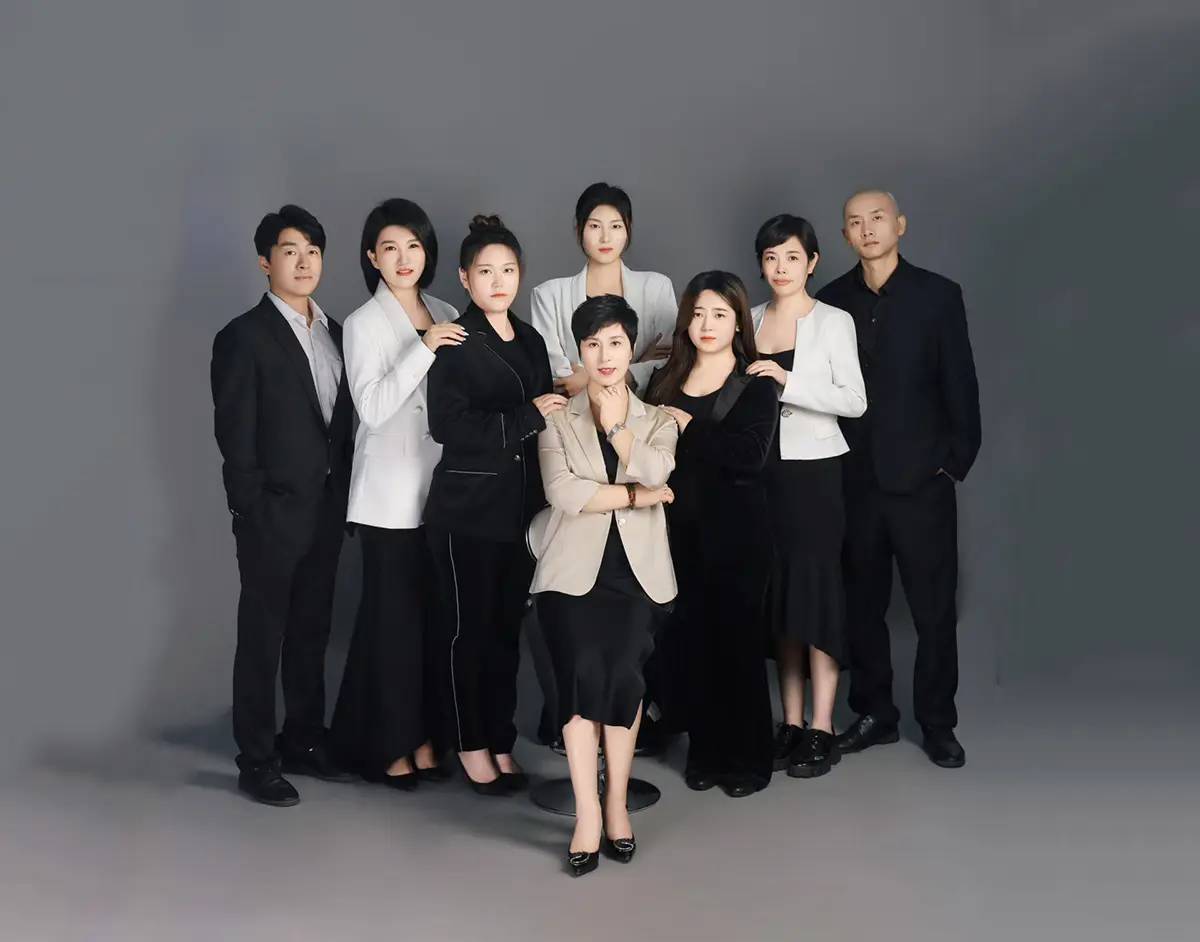
Ms. Zhang Xuedong, the founder of Haofa, has spent decades guiding teams through the supply chain dynamics of decorative building products. Our foreign trade divisions bring an average of over 10 years of export experience, coordinating closely across procurement, quality inspection, logistics, and documentation departments.
We believe in quality first, driven by practical innovation and backed by structured service. By encouraging continuous training for our employees, we cultivate an ownership-driven environment that translates directly into reliable partnerships for our international clients.
"Once a deal, lifelong friends." We bridge advanced manufacturing capabilities with targeted localized logistics to offer full-cycle support, ensuring clients receive premium, certified materials tailored to regional building codes.
Our structural elements, flexible stone systems, and internal boards undergo regular third-party audits to comply with ASTM, CE, RoHS, and European standards for fire resistance and acoustic mitigation.
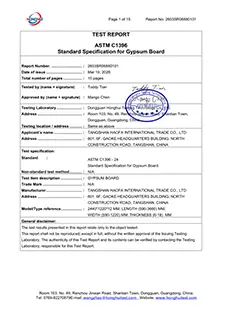
ASTM Plasterboard
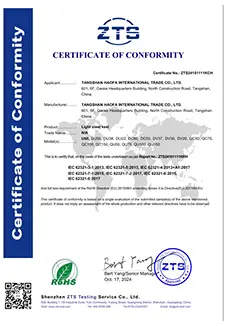
Light Steel Keel Cert
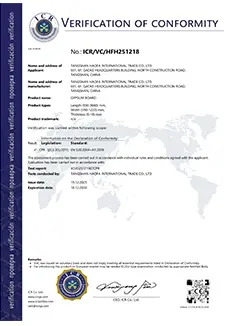
Plasterboard CE
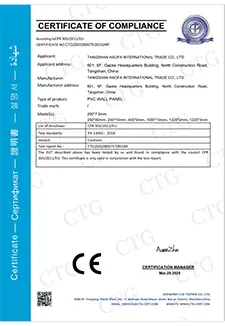
PVC Wall Panel Cert
Navigating global tariff updates, customs clearance procedures, and ocean logistics is a core competency of our team. We offer comprehensive trade terms—including FOB, CIF, EXW, and DDP—to align with the operational preferences of our buyers.
Our logistics and documentation teams work directly with international customs brokers to ensure compliance with export declarations, certificate of origin issuances, and bill of lading structures. We also offer neutral packaging and customized branding (OEM) options, allowing local distributors to receive jobsite-ready shipments marked with their proprietary part numbers and logo schemes.
To support global projects, we ship to over 30 countries across the Americas, Europe, Africa, the Middle East, and Asia-Pacific, including:

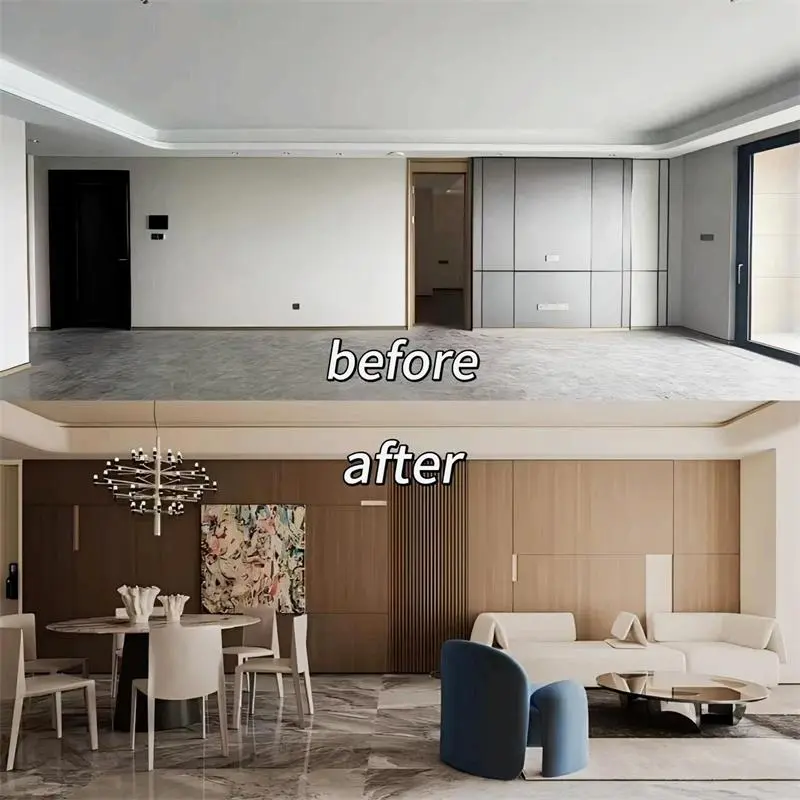
Our commitment to architectural technology drives continuous research and development. In collaboration with supply chain laboratories, we are developing next-generation flexible materials optimized for carbon-neutral constructions. The primary areas of technological focus include:
Integrating bio-resins derived from agricultural co-products to replace traditional petroleum-based cross-linking agents, aiming to reduce the embodied carbon of flexible stone panels by 35%.
Applying photocatalytic coatings that use UV light to degrade airborne pollutants and maintain clean exterior building envelopes in high-traffic urban areas.
Designing acoustic wall systems with integrated micro-perforations and carbon crystal cores to optimize sound dampening across dynamic commercial environments.




 Haofa
Haofa