Direct supply-chain integration from industry-leading manufacturers
A comprehensive analysis of wood-plastic composites in modern landscape architecture and infrastructure projects.
The global construction sector is undergoing a rapid transition toward sustainable, low-maintenance, and climate-resilient structural materials. At the forefront of this shift is Wood-Plastic Composite (WPC) outdoor floor decking. WPC is engineered by combining highly refined wood fibers (typically recycled sawdust from post-industrial waste) with thermoplastic polymers, including high-density polyethylene (HDPE), polypropylene (PP), or polyvinyl chloride (PVC). Sourcing engineered materials from premium China WPC outdoor floor deck suppliers allows international building projects to balance cost efficiency with strict mechanical specifications.
Modern outdoor decking has evolved past standard mono-extruded composites. The current industry benchmark, which Tangshan Haofa and its partner factories implement, is second and third-generation co-extrusion technology. During co-extrusion, a protective 360-degree outer polymer shield is co-extruded simultaneously with the composite core under high temperatures and pressure. This protective shield consists of specialized engineering plastics enriched with UV-stabilizers, anti-oxidants, and anti-fungal agents. The core layer remains highly dense, comprised of approximately 60% wood fiber, 30% recycled HDPE, and 10% chemical additives. This co-extrusion shielding yields an exceptionally low water absorption rate (often less than 0.5%), preventing moisture penetration that typically leads to swelling, warping, and internal rotting in wet environments.
WPC represents a sustainable alternative to traditional pressure-treated timber. Standard outdoor timber decking often requires chemical treatments, such as Chromated Copper Arsenate (CCA), which pose environmental and health risks. WPC decks require no toxic chemical sealing or stains over their life span. Additionally, the wood components are derived from industrial timber scraps, preventing deforestation, while the plastic elements utilize post-consumer recycled polymers. This circular manufacturing framework reduces carbon output compared to virgin plastic extrusion or intensive lumber processing, aligning with international green building ratings such as LEED and BREEAM.
A twenty-five year legacy of supply chain stability, customized building materials, and global commercial trade.
The name "Haofa" signifies a wide world with great potential. Tangshan Haofa is an integrated industrial trade corporation specializing in wholesale architectural systems, structural partition boards, ceiling assemblies, and floor systems. For over 25 years, the company has operated within the structural and decorative building materials sector, helping international clients source durable components directly from Chinese factories.
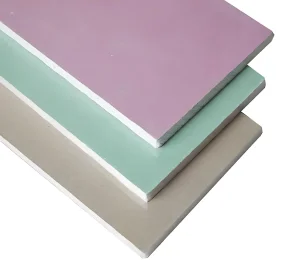
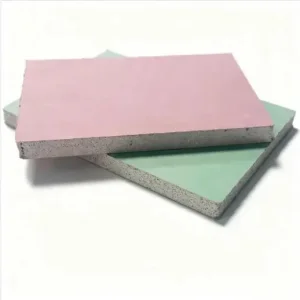
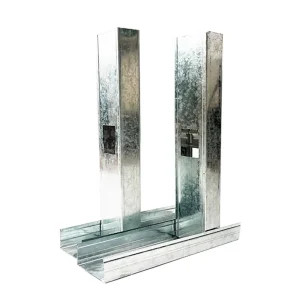
Our comprehensive services cover three major application sectors: wall systems, ceiling systems, and ground/floor systems. Key product lines include light steel keels, gypsum board partitions, mineral wool soundproofing tiles, structural PVC/WPC panels, hardware accessories, and custom furniture solutions. By establishing deep partnerships with hundreds of premium manufacturing sites across more than 20 cities in China, Tangshan Haofa serves a global client base exceeding 3,000 corporate customers.
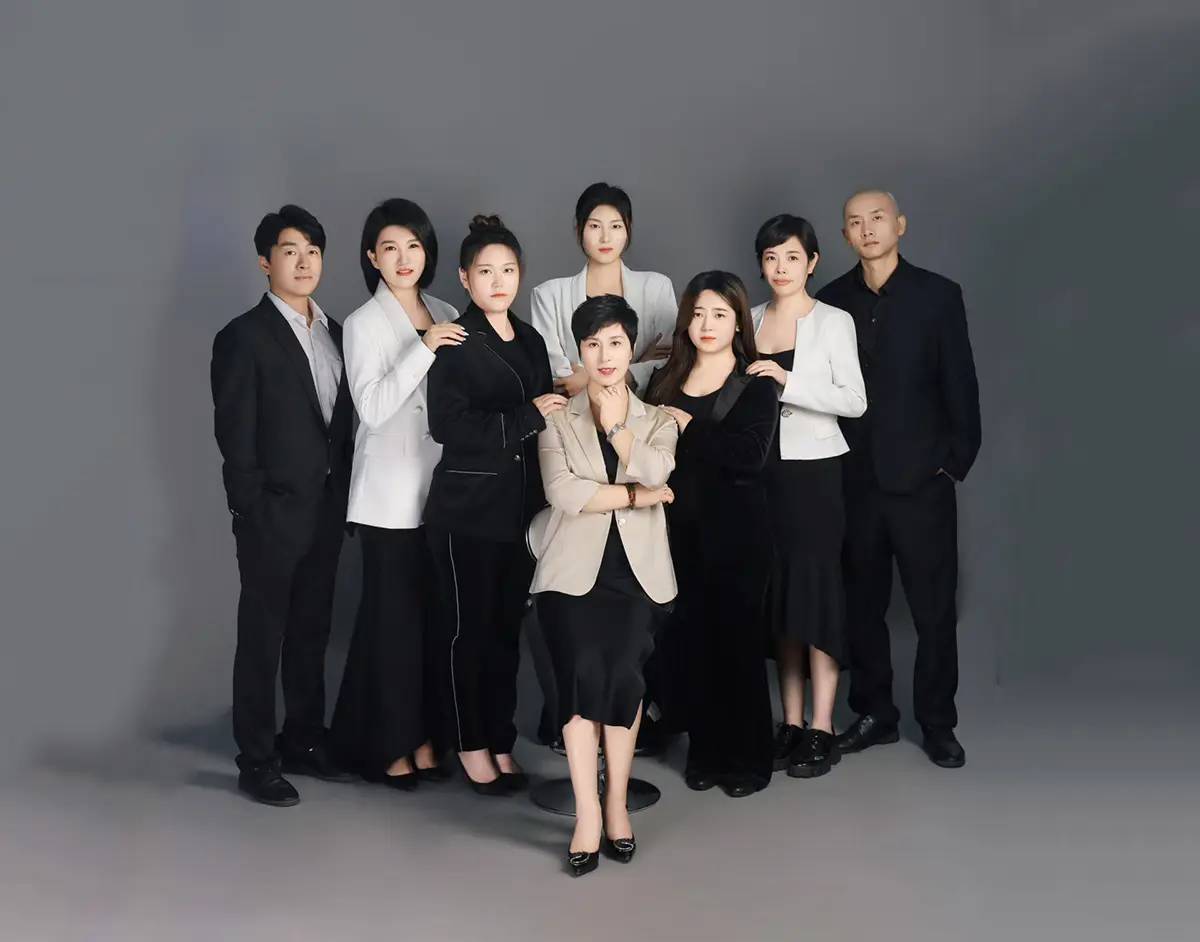
Founded by Ms. Zhang Xuedong, our management and operations departments bring deep connections in the building materials industry. Our foreign trade division averages over 10 years of export experience, organized into specialized divisions: Operations, Sourcing, Logistics, and Quality Control.
Our operations are guided by a core philosophy: Quality First, Innovation-Driven, Service-Guaranteed. We invest in staff training, empower employees to manage technical queries independently, and focus on delivering long-term value for our clients.
We supply high-performance construction materials to support diverse building projects worldwide. Adhering to the principle "once a deal, lifelong friends," Tangshan Haofa builds stable, reliable partnerships across global markets.
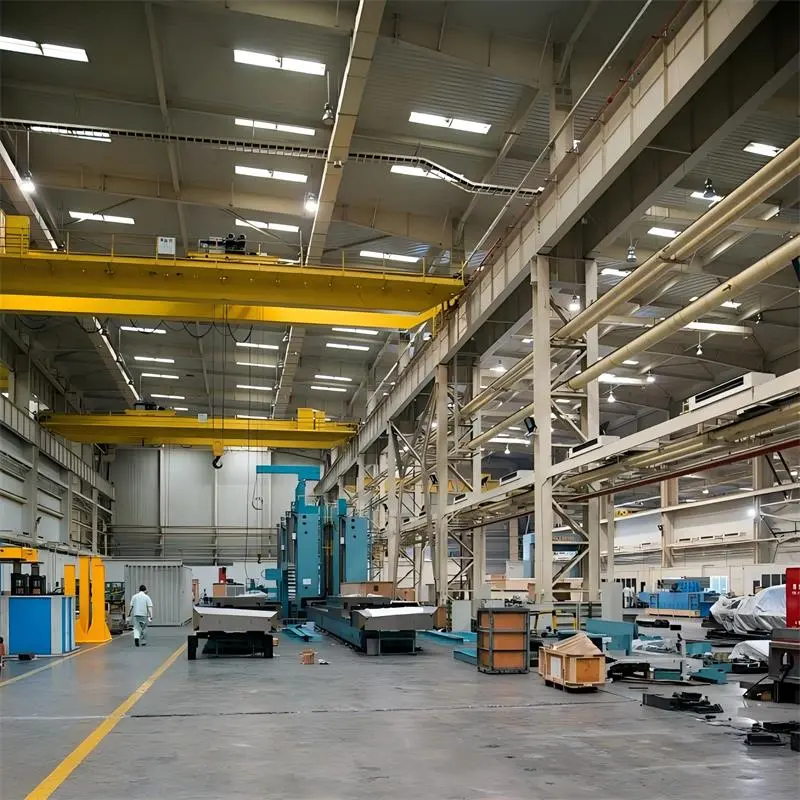
Through our network of manufacturing sites, we verify that WPC formulations, structural plasterboard systems, and steel components undergo rigorous quality checks before shipment. Our manufacturing processes utilize automated precision machinery to ensure consistent tolerances, straight profiles, and uniform surface finishes across large orders.
Verified structural compliance for global construction codes
Our building systems, plasterboards, metal framing, and composite decking materials carry recognized certifications, including CE, ASTM, RoHS, and EN standards. These verify that our products meet regulatory fire safety, moisture resistance, and mechanical loading requirements for commercial projects.
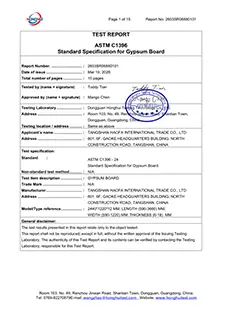
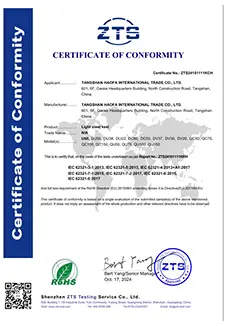
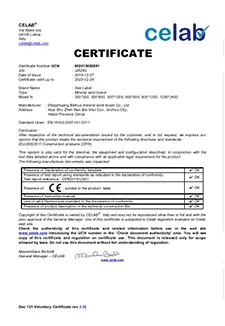
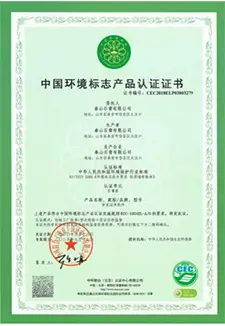
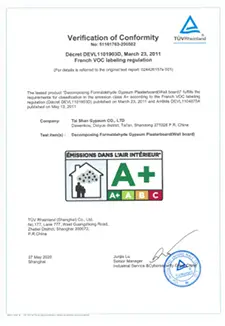
We support import requirements across multiple trade terms, including FOB, CIF, EXW, and DDP. Our logistics division coordinates customs clearance, maritime shipping, and local transport, managing distribution to clients in the United States, Canada, Brazil, Chile, Colombia, Peru, the United Kingdom, France, Spain, Germany, Saudi Arabia, the United Arab Emirates, India, Singapore, Australia, New Zealand, and other regional hubs.
US, CA, HT, BR, CL, CO, PE, GB, FR, ES, NL, DE, CD, GH, TZ, CI, MY, SA, OM, AE, IN, PK, SG, PH, JP, VN, ID, AU, NZ

Targeted material combinations designed for specific fire, acoustic, and environmental requirements
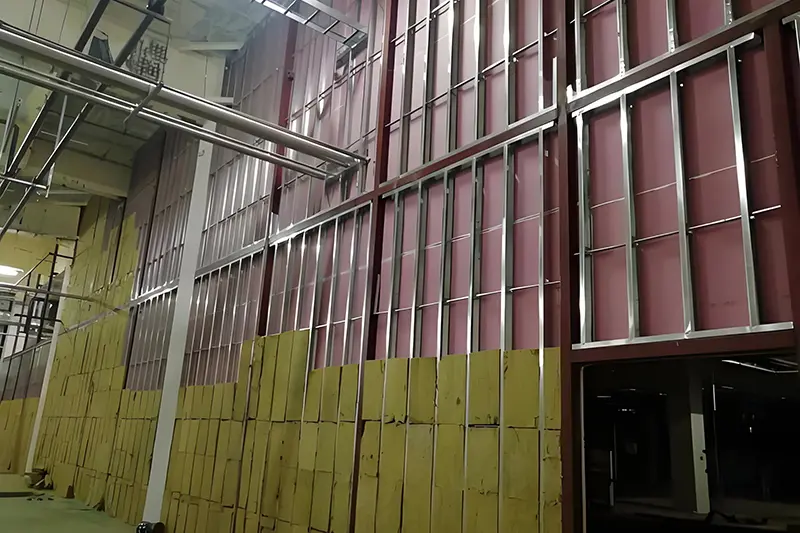
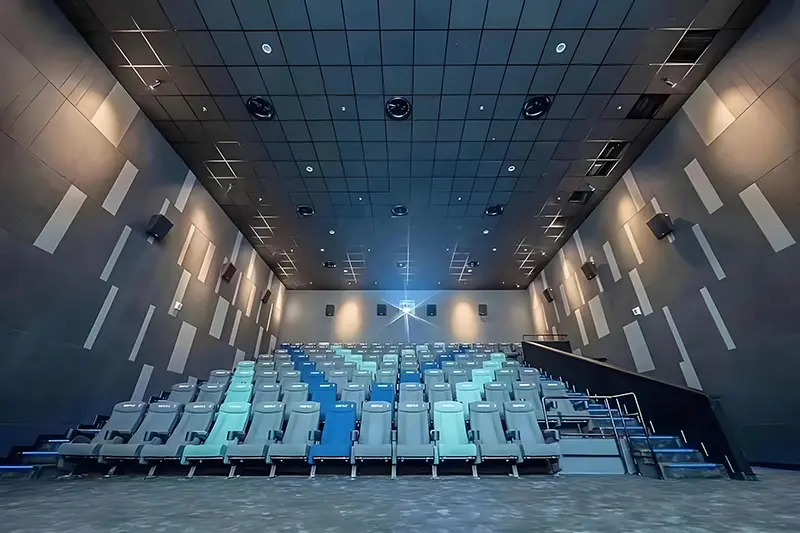
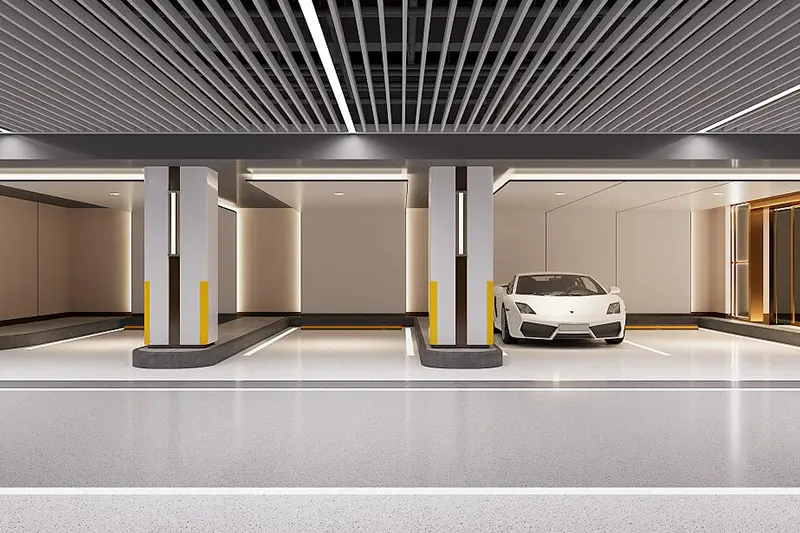
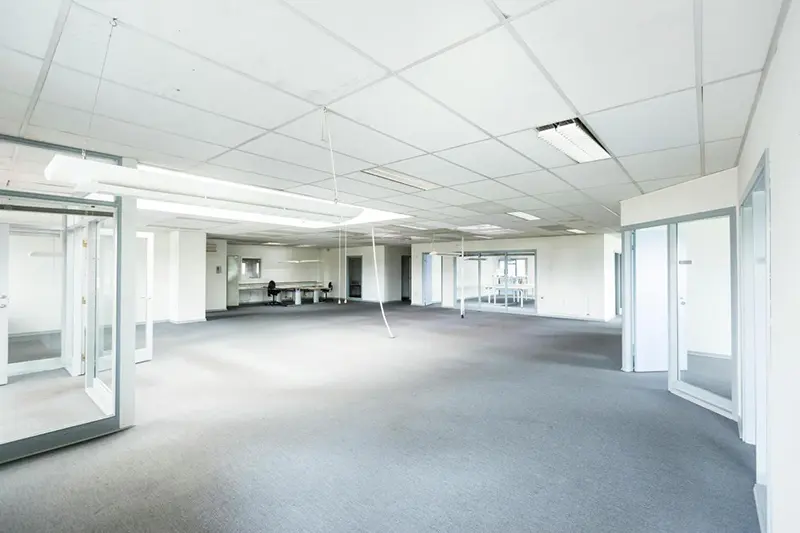
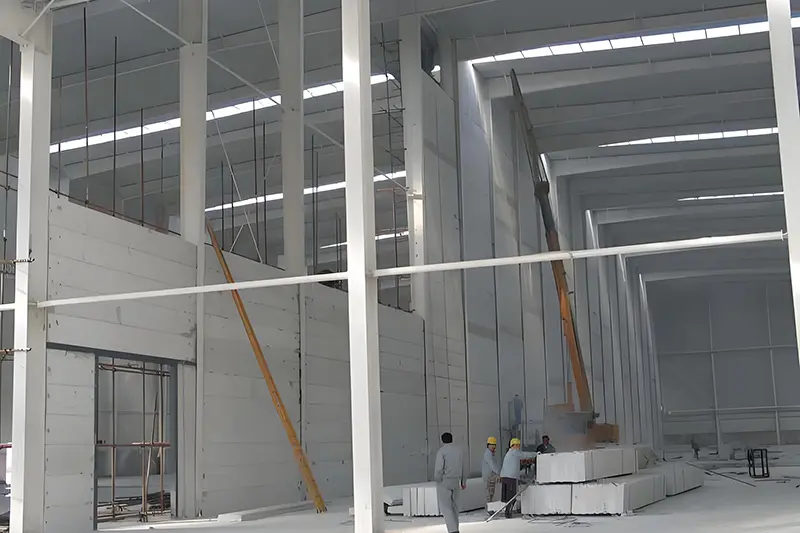
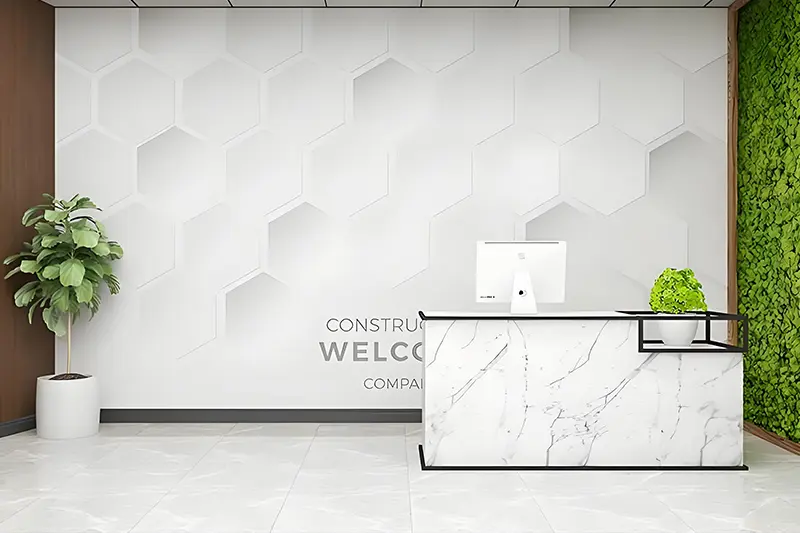
Proven durability across key commercial, municipal, and residential installations
Sourcing materials from a China WPC outdoor floor deck exporter requires verifying manufacturer compliance with international quality standards. Structural decking undergoes continuous environmental stress, meaning slight shifts in formulation can impact mechanical performance. Tangshan Haofa manages supply chain stability and conducts pre-shipment quality checks to verify material consistency.
Consistency in the wood-plastic composite matrix starts with the wood fiber sourcing. High-quality WPC relies on clean wood flour of consistent mesh size (typically 80-100 mesh) to ensure proper blending with the HDPE polymer. Sourcing wood flour from mixed sources with varying moisture levels can create voids within the extruded board. Partner factories run input inspections, ensuring wood flour moisture is dried below 2% before compounding.
Decking must meet structural load requirements. Certified boards undergo testing according to ASTM D7032 standards, measuring flexural properties, creep recovery, and nail-withdrawal resistance. This ensures the boards can withstand continuous pedestrian loading, heavy outdoor furniture, and seasonal shifts without sagging between structural joists.
Outdoor installations face varying weather conditions. Our co-extruded decking undergoes testing in Xenon-arc weathering chambers, simulating years of exposure to sunlight, humidity, and temperature variations. Measuring the color change using delta E parameters confirms the deck retains its appearance over time, preventing uneven fading in sun-exposed sections.
Technical information and sourcing advice for engineers, developers, and import managers.
First-generation WPC decking has an exposed composite surface, making it more vulnerable to moisture, staining, and UV fading over time. Co-extruded WPC features a protective polymer shield that covers the core. This outer layer resists moisture absorption, staining, and UV damage, making it suitable for high-traffic and commercial installations.
We work with established factories across 20 cities and conduct inspections at multiple stages of production. Our team coordinates raw material checks, manufacturing tolerances, packaging specifications, and container loading. This process helps ensure orders match contract requirements before departure.
For standard residential applications using solid or hollow WPC boards, a joist spacing of 300mm to 350mm (center-to-center) is recommended. For high-traffic commercial projects, spacing should be restricted to 250mm to 300mm. Diagonal installation layouts require reducing the joist spacing by 50mm to maintain load-bearing performance.
Our decking contains UV stabilizers to limit degradation from sunlight. The co-extruded polymer shield restricts water absorption, protecting the boards from chlorine and salt exposure near pools. However, like most composite materials, the boards will absorb heat in direct sunlight. Lighter colors are recommended for areas with high sun exposure to manage surface temperatures.
Yes. We offer customized packaging options for bulk import orders. Shipments can use neutral packaging or custom-branded wrapping featuring your company logo, barcodes, and installation guides. We also provide customized board lengths to match project requirements and minimize waste.
Our WPC and structural materials meet international standards, including RoHS, CE, and ASTM certifications. These verify that our composite products do not contain heavy metals or hazardous chemicals, making them suitable for projects requiring green building certifications like LEED.
Our logistics team handles customs paperwork, export filing, ocean freight booking, and final delivery to your warehouse or project site under DDP terms. We coordinate with local port agents to manage duties and clear cargo, helping to simplify the import process.
Quality materials for interior wall decoration, structural framing, and institutional fit-outs
 Haofa
Haofa