High-durability structural components engineered for next-generation building envelopes.
Unpacking the structural risks of humidity and the transition to high-performance ceiling envelopes.
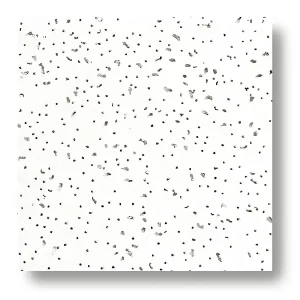
In modern architectural design, internal environmental factors play a major role in determining the structural longevity and occupant health of commercial and industrial properties. Elevated relative humidity (RH) presents structural challenges to sub-ceiling building cavities. In areas subjected to continuous moisture exposure—such as processing plants, commercial kitchens, indoor aquatic centers, sub-surface parking structures, and tropical distribution hubs—standard suspended mineral fiber tiles frequently fail. They absorb atmospheric moisture, resulting in sag, structural loss, fiber disintegration, and mold growth (primarily Aspergillus niger).
The global demand for high-quality moisture-resistant ceiling panels is driven by shifting climate profiles and tougher workplace indoor air quality regulations. Architect-engineers are looking past basic cosmetics to demand materials that maintain structural integrity up to 99% RH at high ambient temperatures. This performance requirement has elevated specialized manufacturers and suppliers, like Tangshan Haofa International Trade Co., Ltd., into critical partners for multi-national projects.
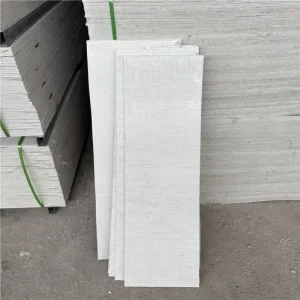
To withstand moisture, material composition must be engineered to prevent capillary water absorption. Standard ceilings utilize hydrophilic organic binders that weaken under high humidity. In contrast, specialized moisture-resistant tiles use inorganic matrices (such as autoclaved calcium silicate) or hydrophobic-treated mineral wool. Below is a relative comparison of common ceiling substrates evaluated for critical industrial projects:
| Ceiling Tile Material Substrate | Maximum RH Threshold (%) | Mold/Mildew Resistance Rate | Sag Resistance Rating (ASTM C367) | Primary Application Areas |
|---|---|---|---|---|
| Hydrophobic Mineral Wool | 95% - 99% | High (Inorganic Base) | Class Class-I Sag-Free | Commercial Offices, High-traffic Corridors |
| Autoclaved Calcium Silicate | 100% (Direct Exposure) | Immune (Alkaline Matrix) | Excellent (Rigid Crystalline) | Marine, Wet Processing, Underground Parking |
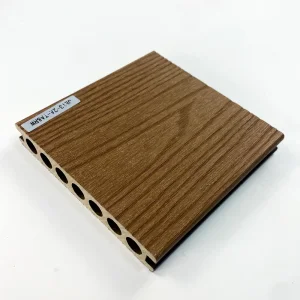
| Rigid PVC / WPC Panels | 100% Waterproof | Immune | Excellent (No Fiber Breakdown) | Washrooms, Food Processing Facilities |
| Standard Paper-Faced Gypsum | < 70% | Low (Organic Paper Backing) | Poor (Rapid Sagging) | Dry Residential, Secondary Bedrooms |
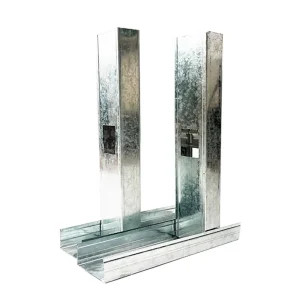
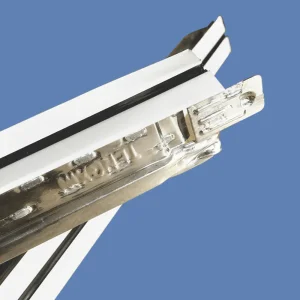
By specifying high-performance inorganic substrates like calcium silicate boards or galvanized light steel suspension systems, facility developers reduce lifecycle cost of ownership. They prevent panel sagging and eliminate the need for recurrent replacements, which can lead to business downtime.
Twenty-five years of supply chain integration and design support across wall, ceiling, and flooring projects.
The name “Haofa” reflects a wide world with great potential. This vision has guided our growth into a leading trading and supply-chain organization. We integrate high-volume building material wholesaling with custom home and commercial solutions.
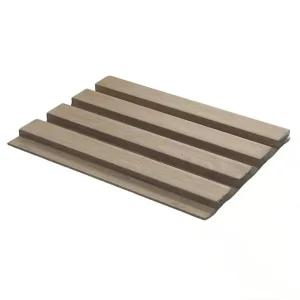
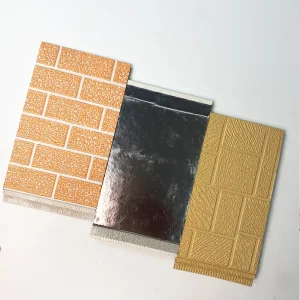
Ploughing into the decoration building materials industry for 25 years, Tangshan Haofa has developed a reliable supply and distribution network. Our services cover three major application scenarios: wall systems, ceiling systems, and ground systems. Our primary product portfolio includes premium light steel keels, high-performance gypsum boards, moisture-resistant mineral wool boards, PVC/WPC wall paneling, heavy-duty hardware accessories, and bespoke cabinetry systems.
We have established in-depth cooperation with hundreds of high-quality supply chain factories in China, and our network covers more than 20 cities. Serving nearly 3,000 global customers, we maintain long-term and stable relationships with major Chinese brands and component suppliers. This guarantees that all products we supply are of high quality, certified, and available in comprehensive specifications.
Our founder, Ms. Zhang Xuedong, has worked in the decoration and construction materials sector for decades. Under her leadership, she has built a corporate culture centered on quality and client service. Our team has an average of over 10 years of experience in foreign trade, divided into specialized departments: Operations, Purchasing, Quality Control, HR, and Business Development. These departments operate in close alignment to provide professional, efficient, and high-quality services to overseas customers, aiming for long-term partnerships.
We integrate global building materials and design resources to offer personalized decoration solutions from industrial to residential applications. We aim to provide exclusive customization and convenience to help clients realize their design goals.
Our values are based on quality, innovation, and service. We encourage continuous learning and growth among our employees, giving each the autonomy to handle complex trade processes independently.
We operate under the principle of "once a deal, lifelong friends." Building long-term, stable relationships with overseas customers is at the heart of our commercial strategy.
Tested assemblies designed for fire protection, acoustic dampening, moisture control, and structural strength.
Navigating import logistics, international testing standards, and localized product compliance.
For international builders and purchasing managers, procurement involves managing product compliance and shipping logistics. Different regions require specific certifications for fire spread, smoke production, moisture absorption, and mechanical loading. Haofa addresses these needs by supplying materials that comply with major global standards, including ASTM (USA), EN (Europe), CE Mark, and RoHS.
Our logistical services support flexible trade terms, including FOB, CIF, EXW, and DDP. The export team manages customs declarations, commercial documentation, marine insurance, and inland transport. This ensures our shipments comply with import regulations in destinations such as the United States, Canada, Europe, South America, the Middle East, Southeast Asia, and Australia.
To help clients align products with local building codes, our structural engineering team verifies that our configurations meet local test criteria:
| Target Market Region | Required Certification / Test Standard | Material Property Verified | Haofa System Match |
|---|---|---|---|
| United States & Canada | ASTM E84 / ASTM C635 / C636 | Surface Burning Characteristics & Grid Load Limits | Heavy-Duty Galvanized T-Grid & Fire-Rated Gypsum Assemblies |
| European Union | EN 13501-1 / EN 13964 | Reaction to Fire (Class A1/A2) & Ceiling Suspension Load Deflection | Acoustic Mineral Wool Systems & Autoclaved Calcium Silicate Panels |
| Southeast Asia & Gulf Regions | BS 476 Part 4/6/7 / Anti-Microbial Testing | Fire Propagation, Surface Flame Spread, Mold & Spore Growth Prevention | Moisture-Resistant Suspended Systems & PVC Laminates |
Innovating for green buildings: bio-based binders, carbon neutral production, and smart ceiling systems.
As the construction industry moves toward lower carbon footprints and sustainable materials, ceiling systems are adapting to improve environmental performance. The next generation of moisture-resistant panels aims to reduce embodied carbon without losing durability. We are working with manufacturing partners to develop bio-based, starch-and-mineral-derived binders to replace traditional phenolic resin systems. This helps lower volatile organic compound (VOC) emissions and keeps panels formaldehyde-free.
Additionally, we are exploring circular economy initiatives, such as introducing recycled post-industrial mineral slag and refined gypsum waste back into new panel production lines. These developments align with LEED v4.1 and BREEAM building credentials, helping architects design sustainable, high-performance interiors.
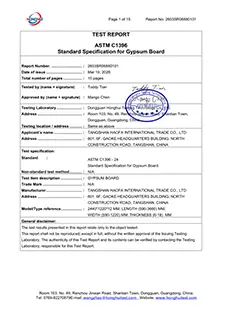
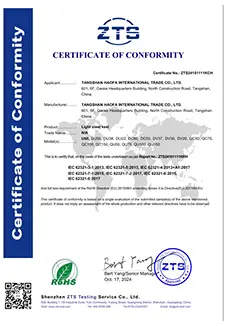
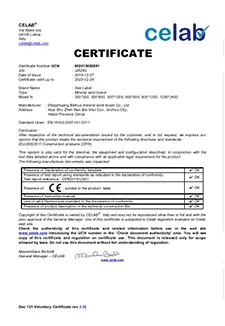
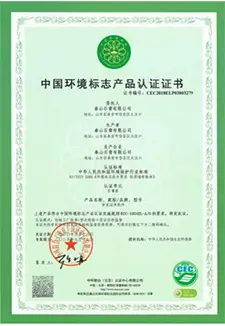
Our building materials pass international testing standards, ensuring performance in demanding conditions.
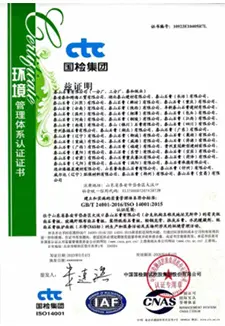
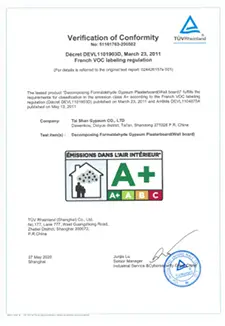
Answers to common questions regarding specifications, installation, and supply chain logistics.
High-durability structural components engineered for next-generation building envelopes.
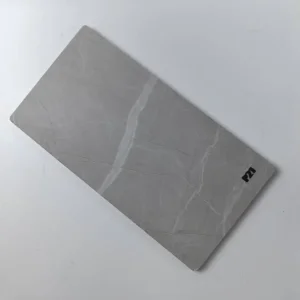
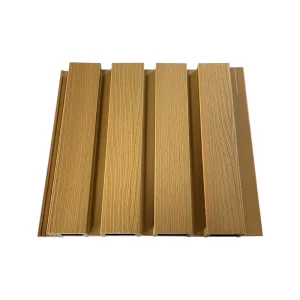
 Haofa
Haofa