Premium global source for high-performance building envelopes, structural steel components, and architectural innovations.
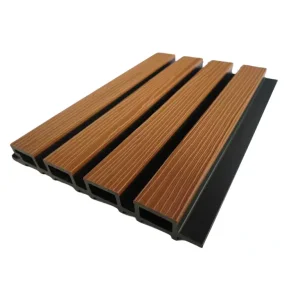
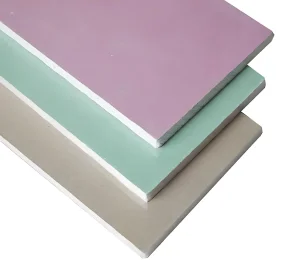
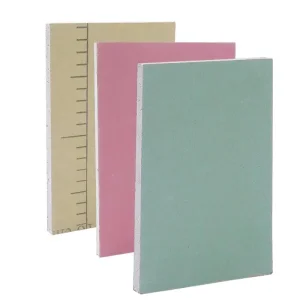
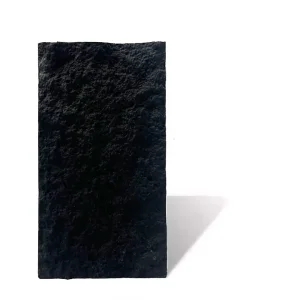
The global construction sector is undergoing a profound paradigm shift, pivoting away from high-maintenance traditional cladding materials toward advanced polymer composites. Among these innovations, Outdoor PVC (Polyvinyl Chloride) Wall Panels and WPC (Wood-Plastic Composite) Cladding systems represent the vanguard of sustainable building envelope technologies. Valued at billions of dollars globally, the industrial demand for outdoor polymer siding is growing at an estimated CAGR of 6.8% over the next decade. Driven by urbanization, the pressing need for thermal-efficiency upgrades, and architectural demands for low-maintenance aesthetics, high-quality outdoor PVC panels have become the preferred choice for commercial, residential, and industrial developments alike.
In highly industrialized zones—specifically North America, Northern Europe, and the Middle East—external building envelopes must survive extreme weather parameters. From freezing sub-zero Nordic winters to the intense UV exposure of desert regions, traditional timber panels succumb to warping, rot, and pest infestations. On the other hand, heavy masonry cladding adds excessive dead loads to civil structures. High-grade outdoor PVC wall panels solve this material challenge. Engineered with precise chemical stabilizers, impact modifiers, and UV-resistant co-extrusion technology layers, modern synthetic siding provides exceptional structural resilience, weather resistance, and thermal insulation without compromising structural loads.
Technological roadmaps within polymer chemistry have catalyzed the development of co-extruded PVC panels that possess unmatched performance metrics. Standard PVC was historically prone to embrittlement under cyclic thermal stress. Modern manufacturing overcomes this limitation through the incorporation of high-density cellular PVC structures and ASA (Acrylonitrile Styrene Acrylate) co-extrusion capping layers. This architectural-grade capping serves as a shield against atmospheric oxidation, ultraviolet degradation, and chemical pollutants.
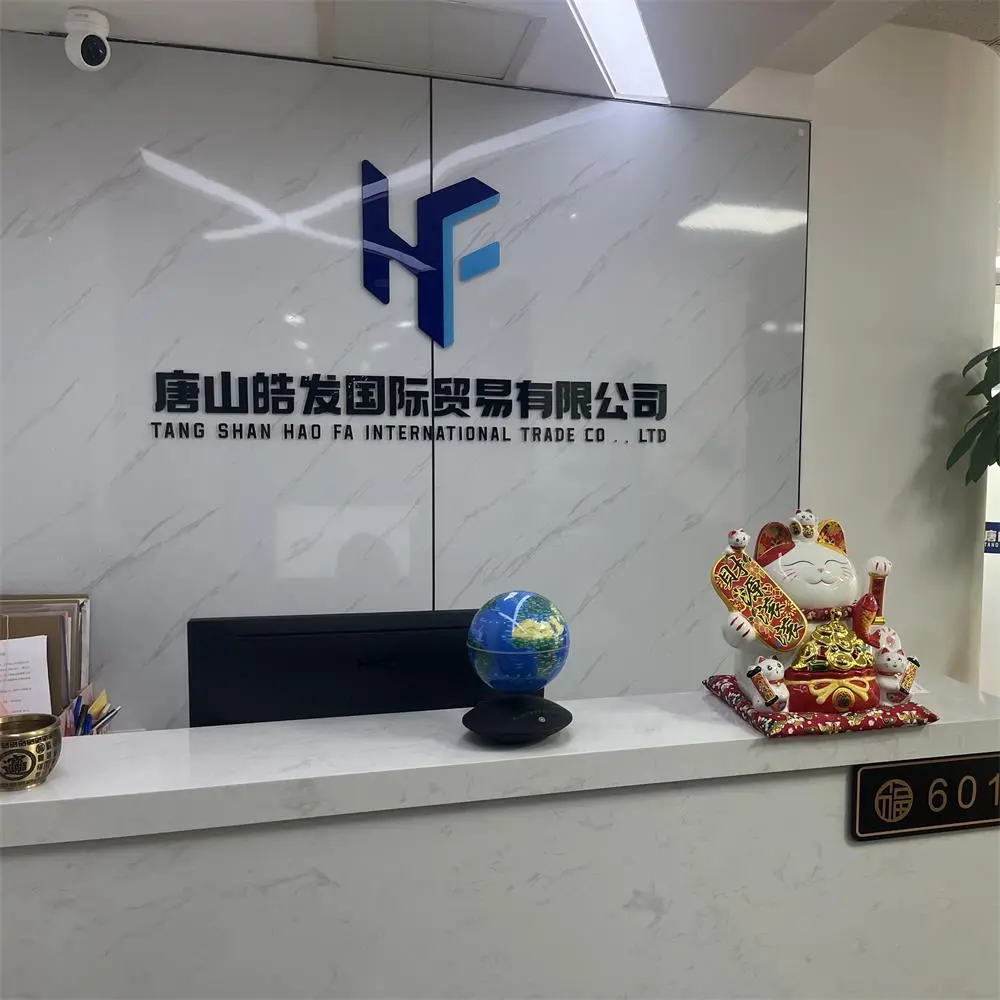
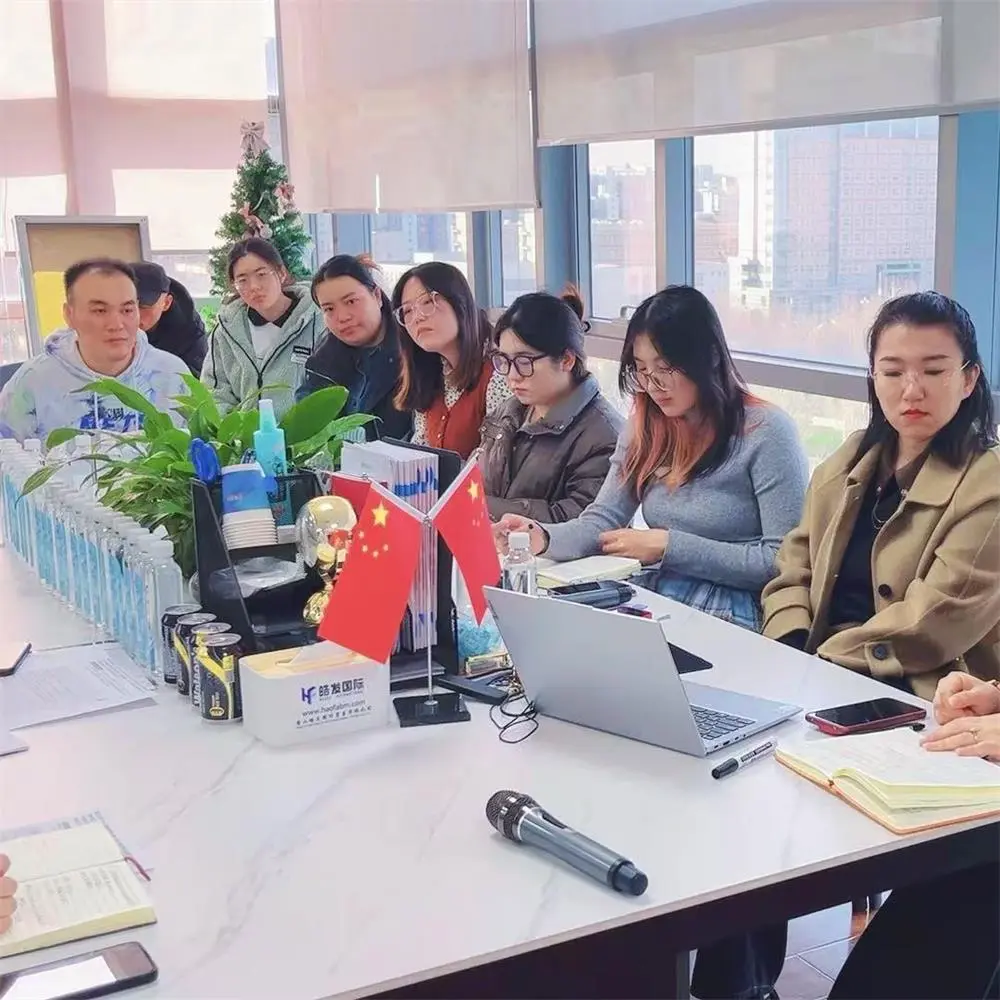
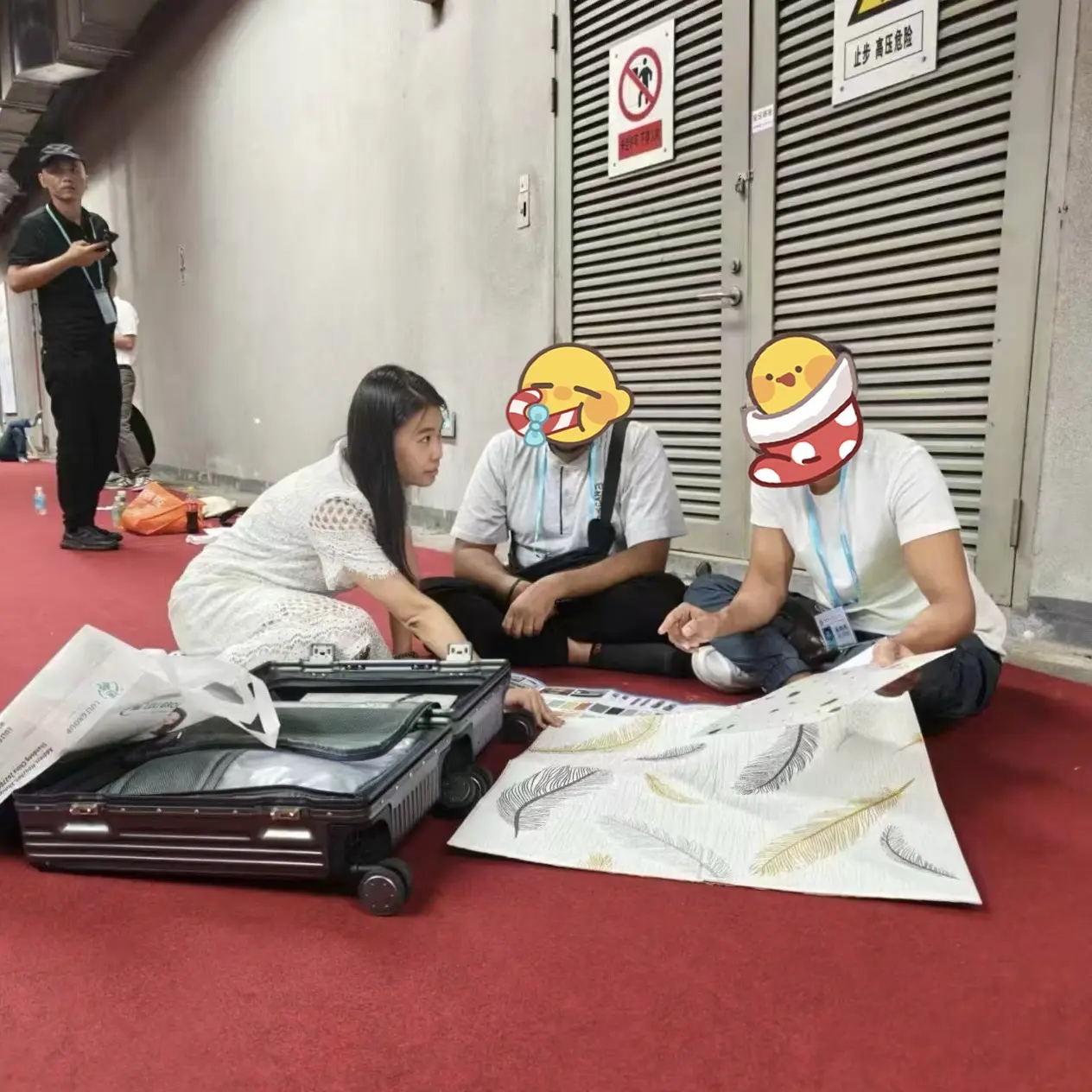
Tangshan Haofa International Trade Co., Ltd. (where “Haofa” represents a wide world with great potential) is a prominent industrial provider specializing in decorative building materials, home improvement customization, and integrated building envelope solutions. Backed by 25 years of deep industry expertise, our services span three major application scenarios: Wall Systems, Ceiling Systems, and Ground Systems.
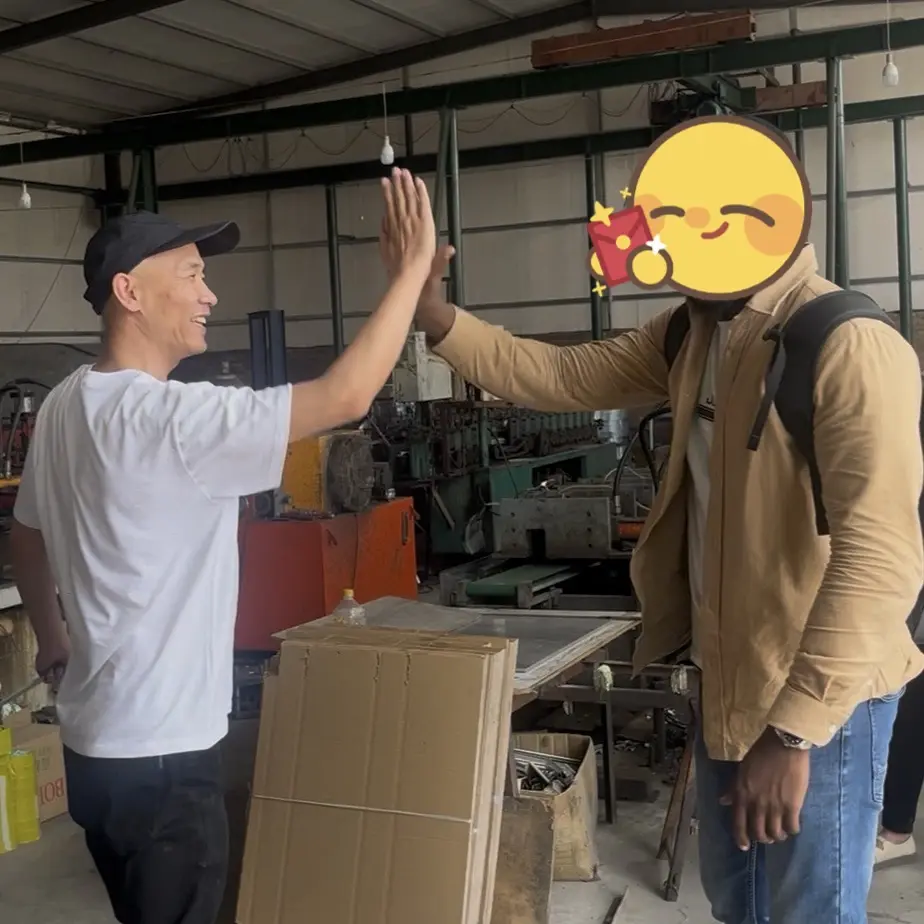
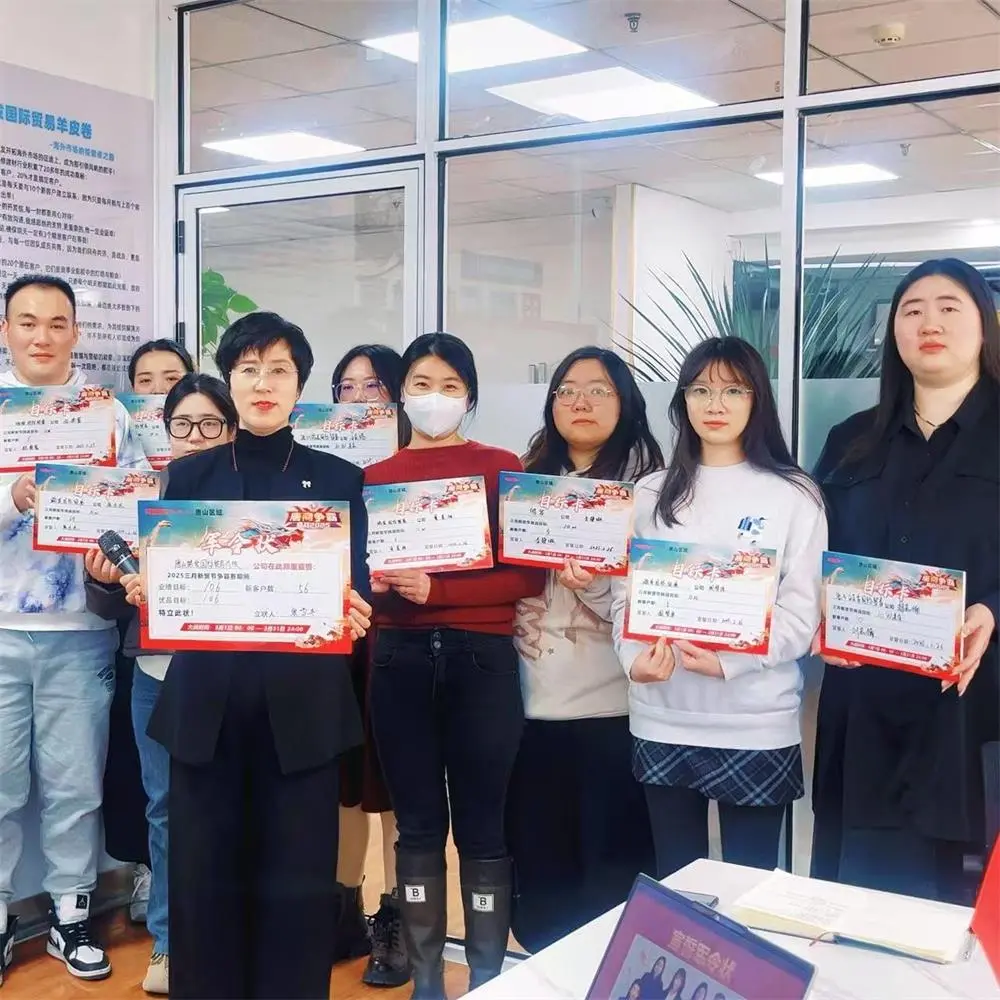
Led by our visionary founder, Ms. Zhang Xuedong, our team boasts an average of over 10 years of experience in foreign trade. Structured efficiently across Operations, Purchasing, HR, and Business Departments, Haofa operates a supply chain network covering more than 20 cities in China, maintaining in-depth partnerships with hundreds of high-quality factories to serve nearly 3,000 global customers.
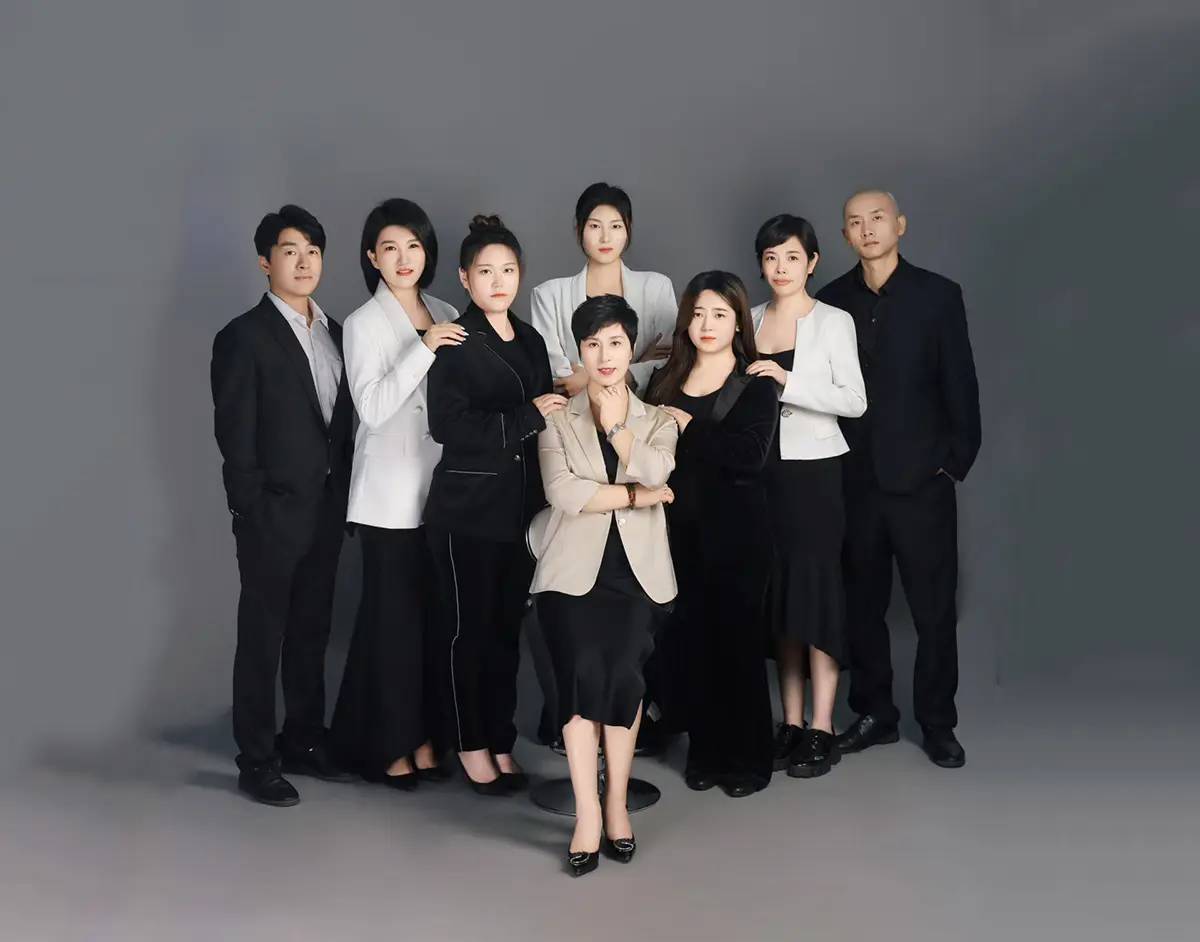
At Haofa, our corporate spirit is simple yet robust: "Based on quality, win by innovation, guaranteed by service." We prioritize employee development, enabling each team member to operate with independence and professional accountability. Guided by the principle of "once a deal, lifelong friends," we aim to integrate global building materials and design resources, helping clients maximize procurement efficiency while minimizing project turnaround times.
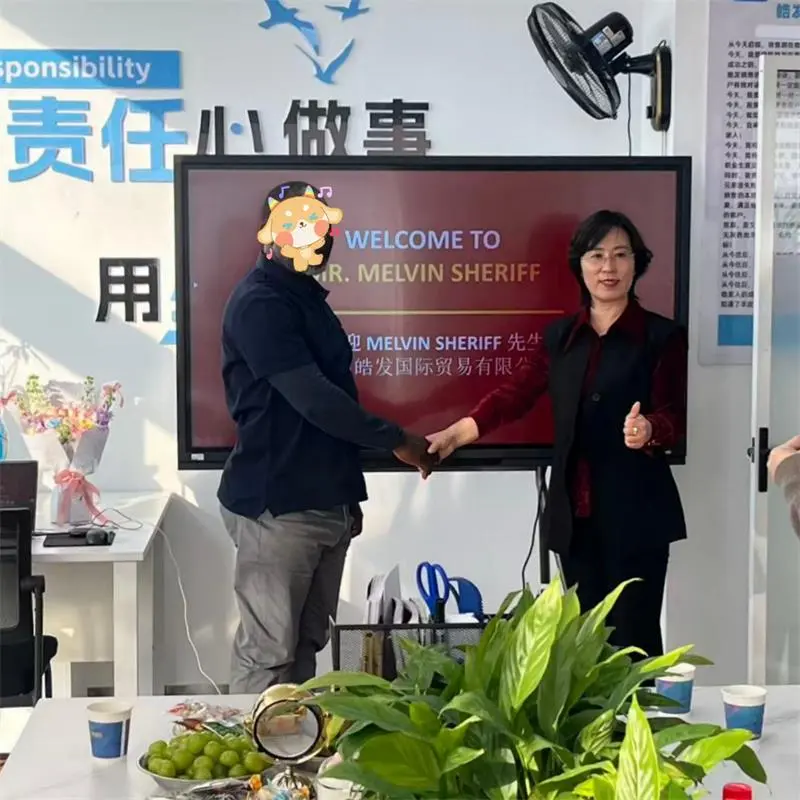





Our entire building material product line complies with CE, ASTM, RoHS, and EN standards, guaranteeing safety, performance, and durability.
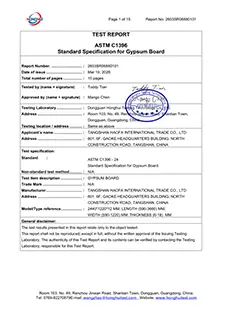
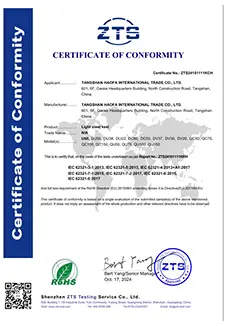
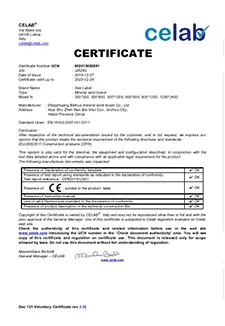
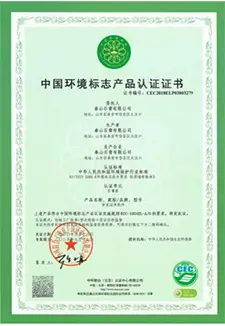
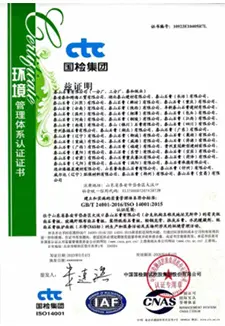
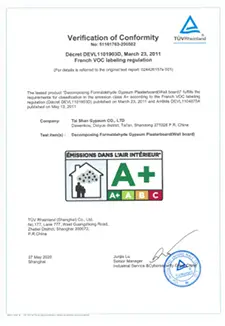
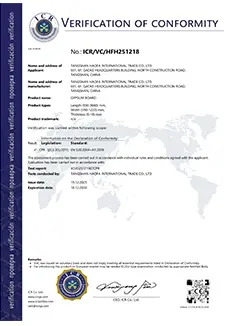
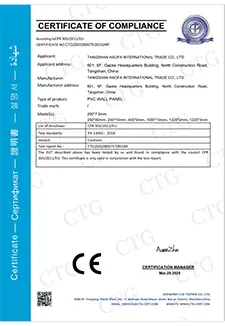
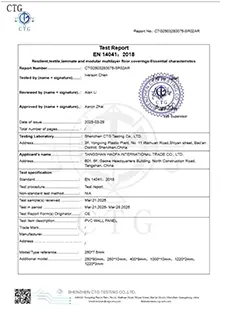
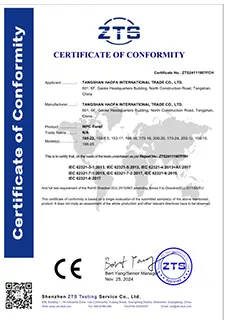
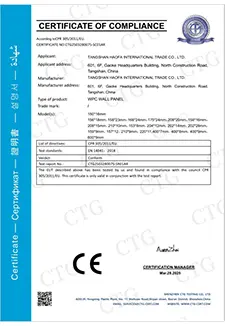
Engineered product combinations configured to solve performance criteria for modern global architecture.
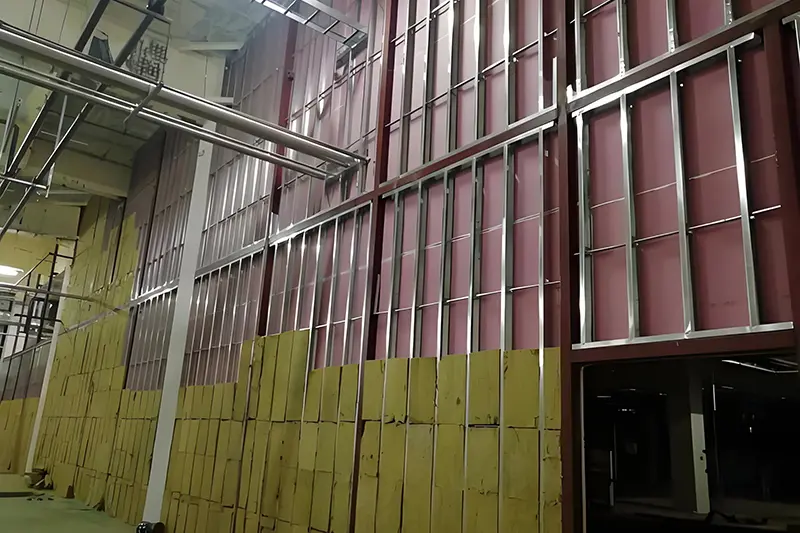
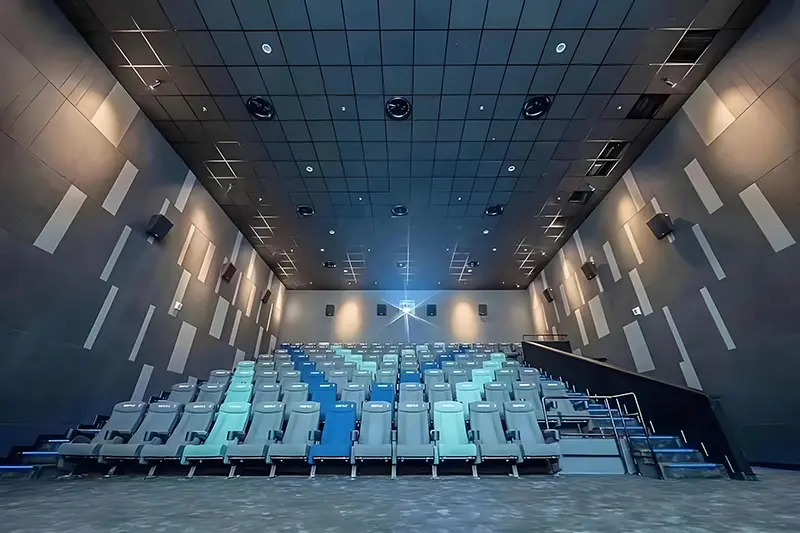
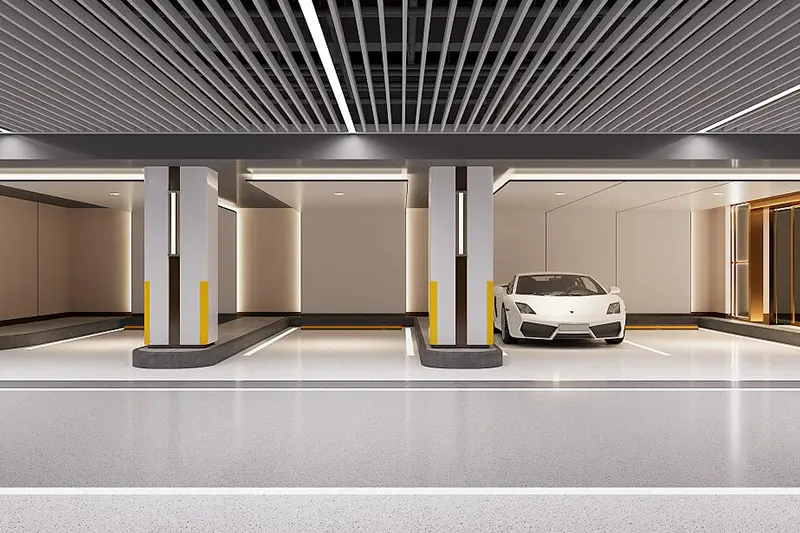
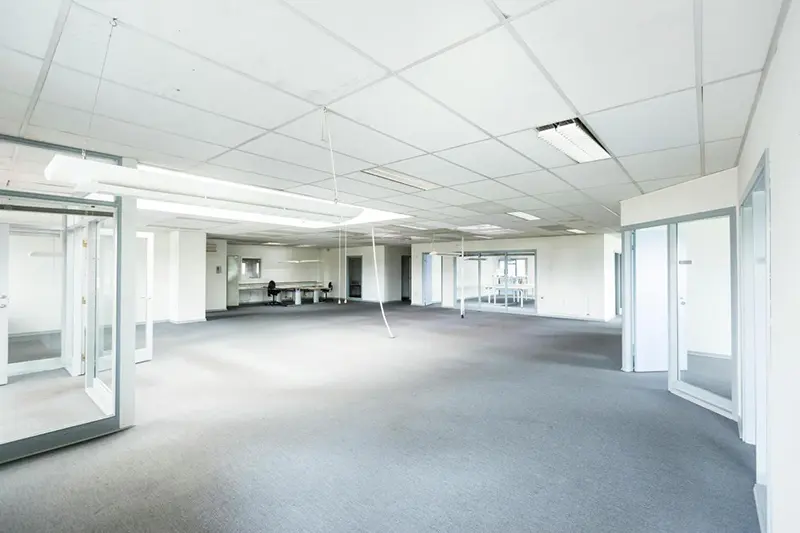
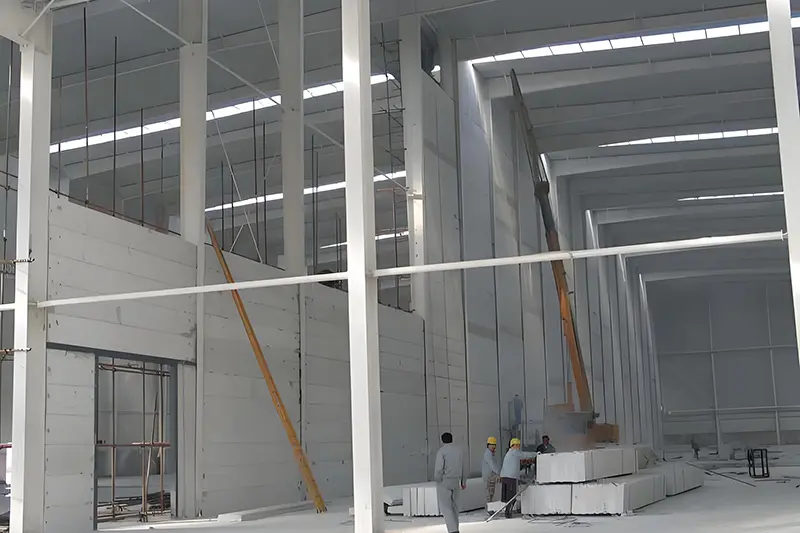
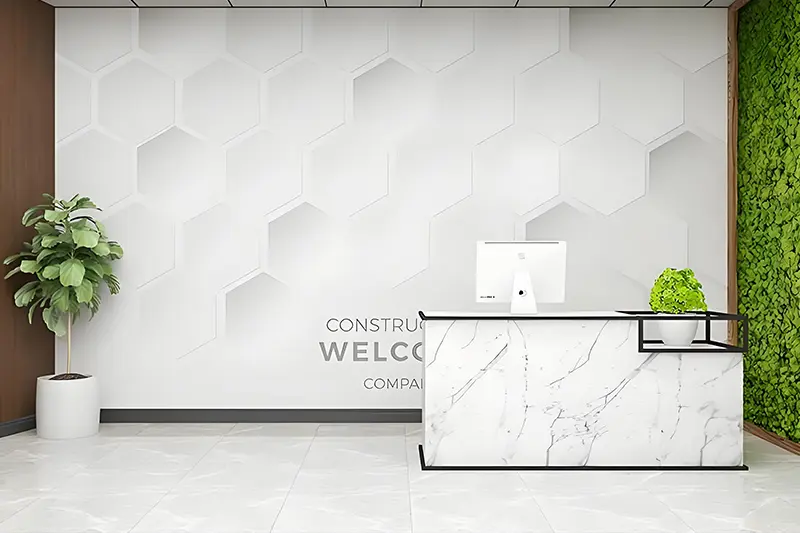
Cladding requirements depend on geographic location and climate conditions. A one-size-fits-all approach often fails when dealing with diverse microclimates. Engineering teams specify custom solutions for different environments:
Salt spray accelerates structural degradation in metal panels. Outdoor PVC cladding features a non-reactive molecular structure, offering corrosion resistance in marine projects.
In regions prone to heavy monsoons, natural wood rot within years. PVC and co-extruded WPC maintain their structural integrity without requiring sealants or fungicides.
Urban pollution and acid rain discolor standard finishes. Our co-extruded ASA capping features a low surface energy profile, allowing rain to naturally wash away particulate dirt.
The next generation of outdoor PVC panels will integrate active functionalities. R&D initiatives focus on introducing smart insulation properties, structural self-monitoring sensors, and advanced biocidal polymer matrices. In addition, the shift toward a circular economy has pushed manufacturers to transition to 100% recyclable lead-free formulations, utilizing calcium-zinc stabilizers rather than heavy metal options.
By leveraging advanced composite engineering, manufacturers can produce PVC boards that replicate the texture and natural variance of timber with high fidelity, while maintaining the performance advantages of polymers. The future of exterior siding lies in building materials that contribute directly to green building certifications, such as LEED and BREEAM, by reducing thermal transmission and incorporating recycled post-consumer waste.
Expert technical answers to common queries regarding PVC and WPC outdoor wall panel applications.
Explore our extended B2B product range, engineered to meet international commercial building codes.
 Haofa
Haofa