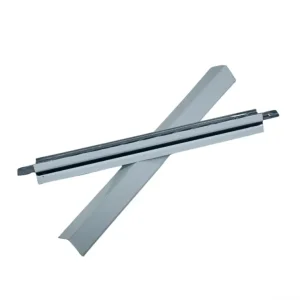
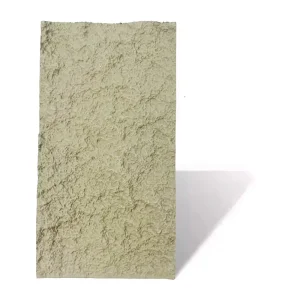
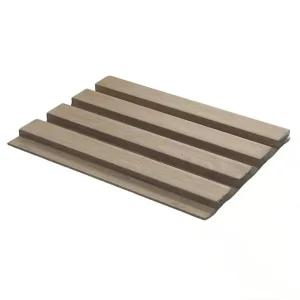
Explore our premium building components optimized for structural stability, moisture resilience, and aesthetics.
A B2B Architectural Engineering Analysis on Why Stone Plastic Composite Leads Wall Cladding Innovation.
Stone Plastic Composite (SPC) represents a critical milestone in material engineering, originally conceptualized to address the structural limitations of PVC, MDF, and fiberglass panels. At the heart of SPC's mechanical performance is its core matrix. Typically compounded with 60-70% natural calcium carbonate (limestone powder), high-molecular polyvinyl chloride, and specialized non-toxic thermal stabilizers, the raw material is extruded under intense heat and pressure to yield a monolithic, highly dense sheet.
This substrate is capped with a high-definition decorative print film, followed by an engineered wear-resistant polyurethane protective layer with advanced UV cured cross-linking. Unlike traditional wood-plastic composites (WPC) or polymer wallboards that utilize wood flours or structural foaming agents, SPC maintains a completely solid core. The absence of organic cellulose ensures that the material cannot rot, decompose, or serve as a medium for bacterial colonization.
Compared to standard drywall or MDF-based paneling, SPC demonstrates up to five times greater impact resilience and zero moisture expansion when completely submerged. B2B engineers favor SPC for high-traffic or damp areas where structural failure of typical gypsum or wood boards creates expensive, recurring maintenance cycles.
| Performance Indicator | SPC Waterproof Wall Panel | Traditional WPC Cladding | Gypsum / Drywall Panels | |
|---|---|---|---|---|
| Water Absorption Rate | < 0.05% (Impermeable) | 1.5% - 3.0% (Slight swelling) | > 8.0% (Prone to mold & structural failure) | |
| Dimensional Stability | ≤ 0.12% (Linear thermal variation) | ≤ 0.35% (Medium stability) | ≤ 0.08% (Unstable in humid zones) | |
| Fire Rating Standard | Class B1-s1, d0 (EN 13501-1) | Class B2 / C (Combustible) | Class A1 / A2 (Non-combustible but fragile) | |
| VOC Emissions | E0 / FloorScore Certified (Zero Formaldehyde) | Low to Medium (Dependent on resins) | Usually Low (Requires paint finishing) |
Enterprise procurement departments, commercial developers, and general contractors are pivoting towards SPC wall panels due to three critical market drivers: supply chain consolidation, modular fast-track installation, and strict environmental regulations. As commercial construction cycles compress, traditional multi-step wet trades (plastering, curing, sanding, priming, and painting) have become financial and scheduling liabilities. SPC systems feature interlocking tongue-and-groove or click-lock profiles that install directly over existing masonry, framing, or damaged drywalls without complex surface prep.
Global developers demand certification compliance including CE (EN 15102), ASTM E84 Class A fire ratings, and RoHS hazardous substance limitations. High-Quality SPC waterproof wall panel companies verify these specifications via independent laboratory testing.
While initial raw material costs for SPC may exceed low-grade drywall or PVC foam, the installation speed and extended 20+ year service life result in a 40% reduction in total cost of ownership (TCO).
The manufacturing capabilities that empower Haofa to deliver consistent quality and highly customized wall system assemblies.
The modern production of SPC panels is driven by automated co-extrusion systems. Industry 4.0 integration allows precise control over formulation, temperature, and thickness tolerance. High-speed double-screw extruders form the core slab, and calendering rolls consolidate the layers. In-line laser thickness measurement guarantees variations under ±0.05 mm. Automated tooling applies the decorative layer and wear protection in a single thermal step, eliminating chemical adhesives and preventing delamination.
Tangshan Haofa International Trade Co., Ltd. coordinates production with hundreds of high-quality supply chain factories across China's major industrial regions. This dense logistics network spans 20+ cities, ensuring consistent material supply even during market fluctuations. Our integrated approach coordinates raw material purchasing, automated production, strict quality controls, and sea-freight routing to protect projects from material shortages.
Through our advanced manufacturing network, we offer customizable thicknesses, widths, acoustic backings (IXPE/EVA), and surface patterns. Clients can match custom design aesthetics while meeting building code requirements.
Tangshan Haofa International Trade Co., Ltd.: Integrated Supply Network for Wall, Ceiling, and Ground Systems
Haofa represents a wide world with great potential. Over our 25-year history in decoration and construction materials, we have evolved into a trusted partner for commercial building projects. Our work covers three main areas: wall systems, ceiling systems, and flooring systems. Key products include light steel keels, gypsum boards, mineral wool boards, PVC/SPC wallboards, hardware accessories, and customized furniture.
Our founder, Ms. Zhang Xuedong, has guided our team to cultivate deep industry partnerships. Our team brings an average of 10+ years of foreign trade experience across our Operations, Sourcing, Logistics, and Customer Service departments. This cooperative network allows us to provide clear communication, transparent pricing, and responsive service to our global partners.
Our company spirit is: Based on quality, wins by innovation, and guaranteed by service. We prioritize our customers' needs to optimize our product portfolio and deliver comprehensive supply solutions worldwide.
Take a look inside our processing plants, packaging operations, and international logistics hubs.




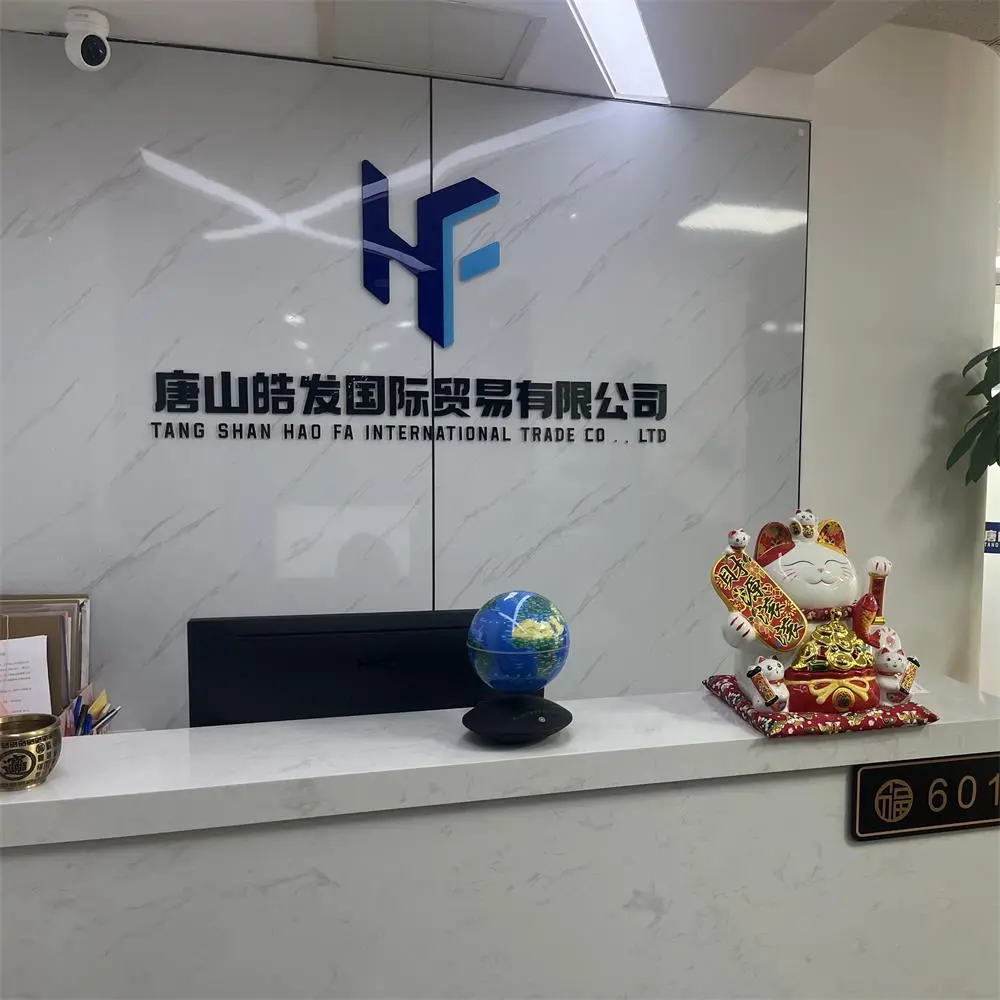



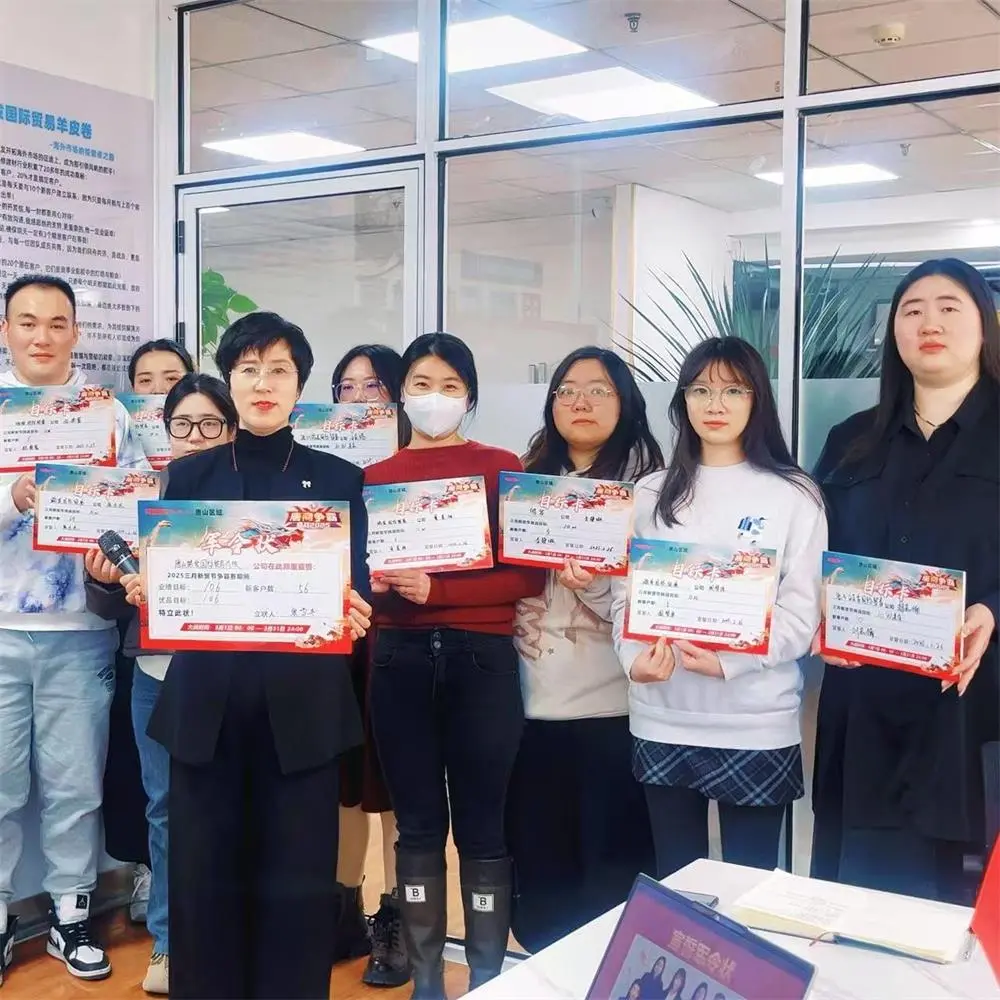



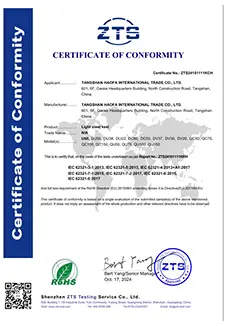
Our wall panels, ceiling materials, and metal assemblies conform to major international testing standards.
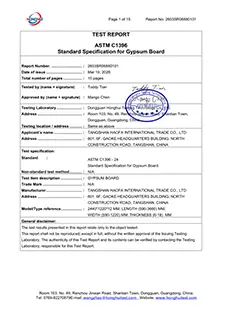 ASTM Plasterboard Standard
 Keel Structural Test Certificate
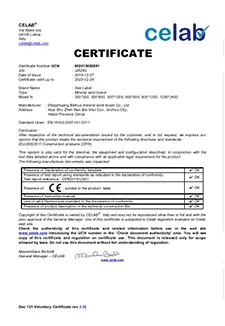 Quality System Compliance
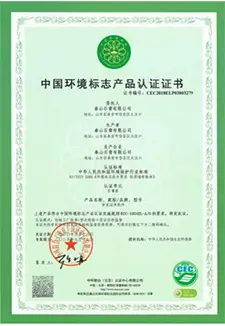 EN 13501 Fire Resistance
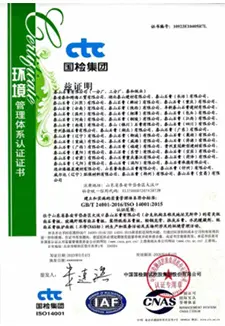 CE Mark Declaration
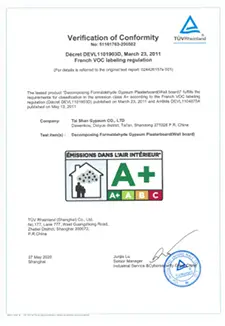 Moisture Proof Test Report
Engineered product combinations optimized for safety, acoustic isolation, moisture protection, and speed.
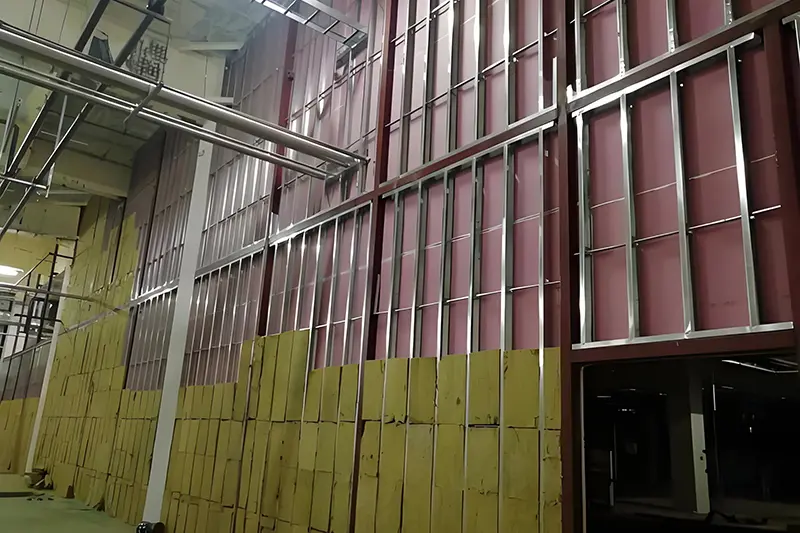
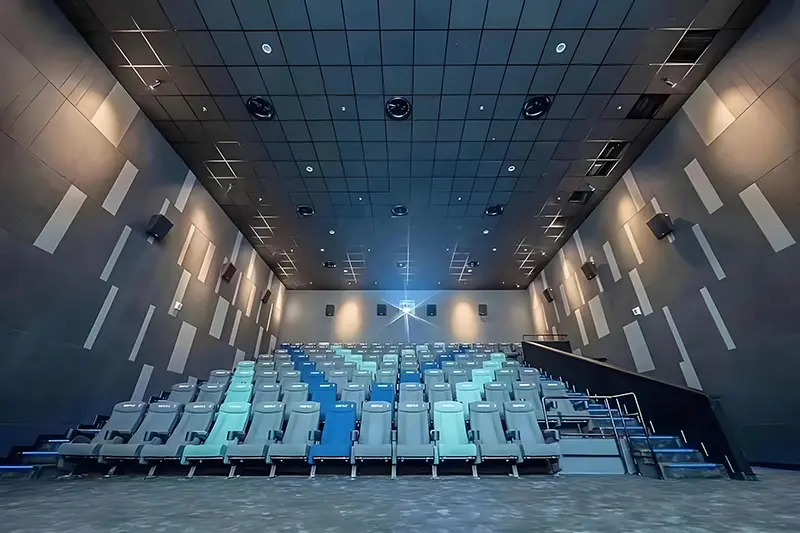
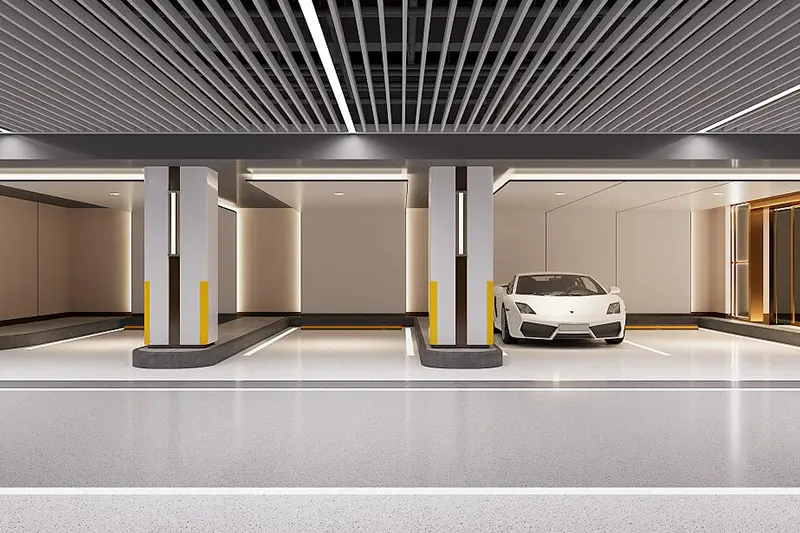
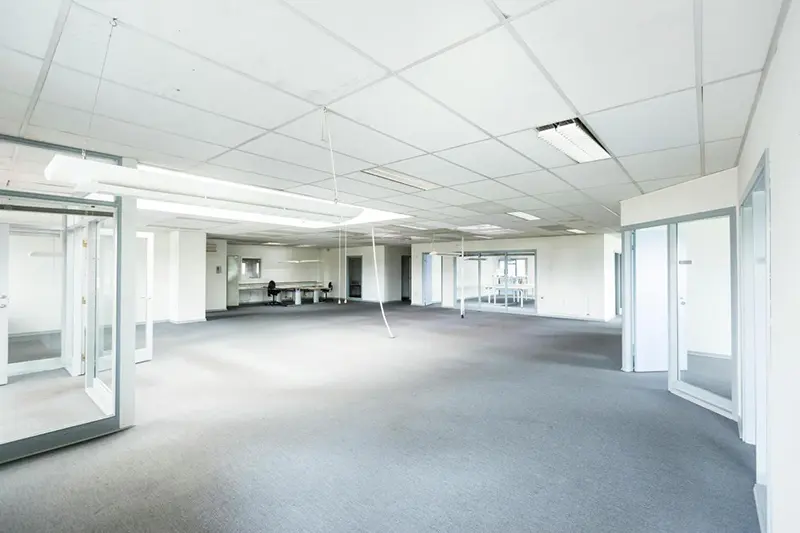
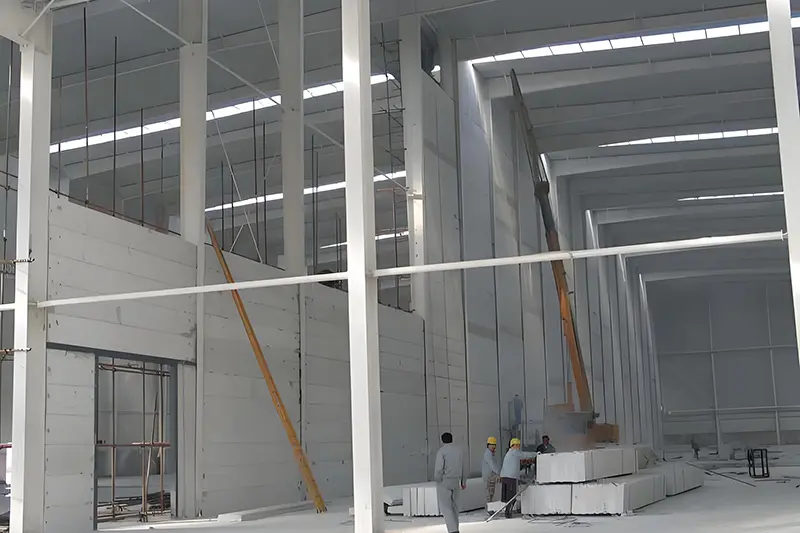
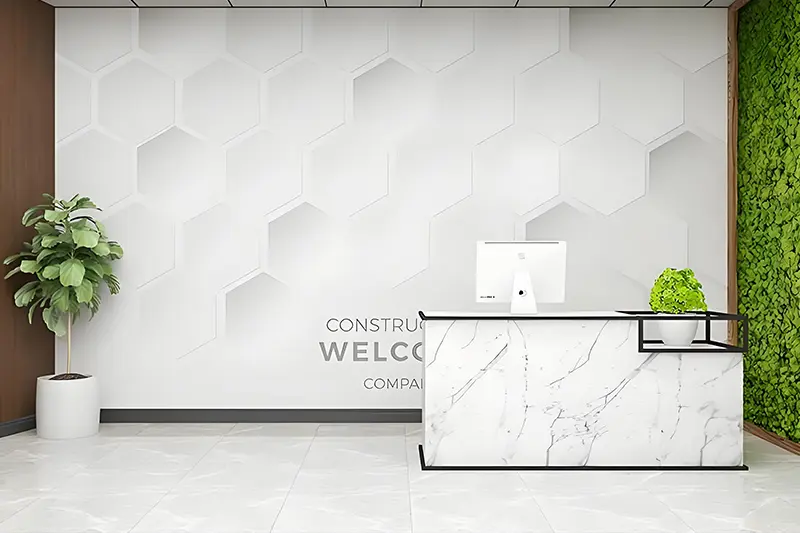
Our building components are deployed in diverse commercial, hospitality, and residential environments across 30+ countries.
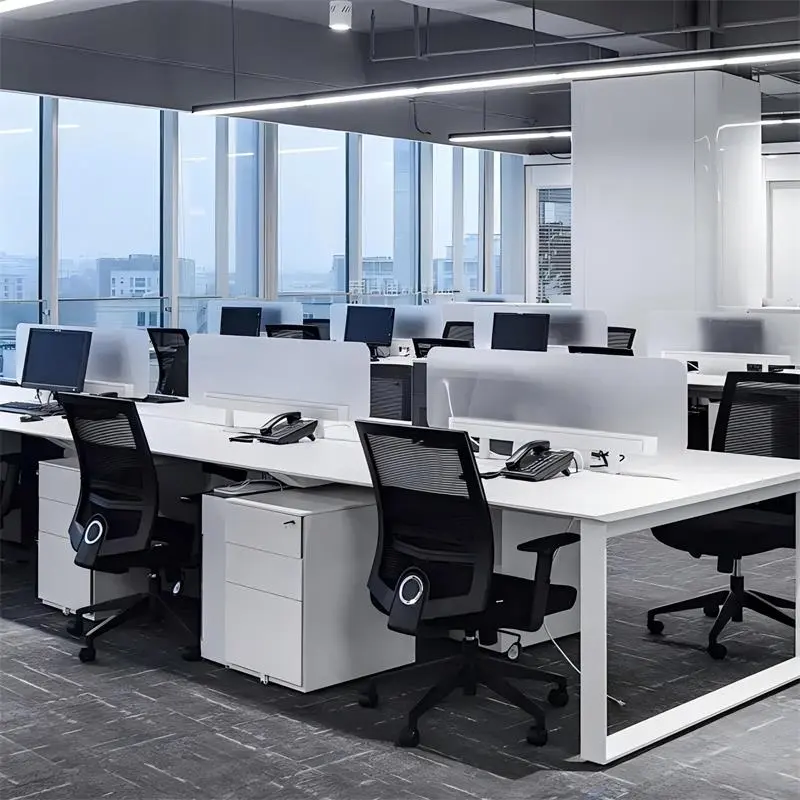
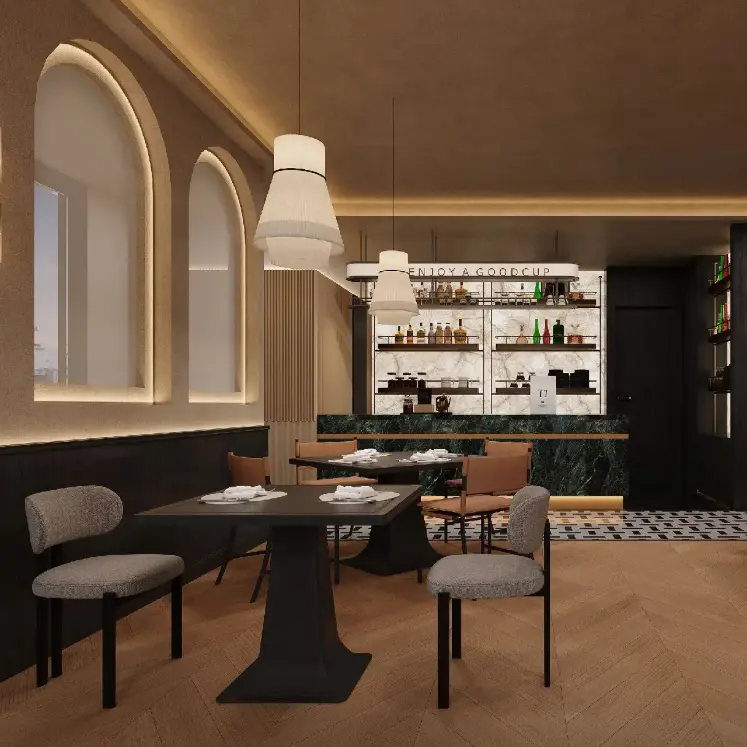


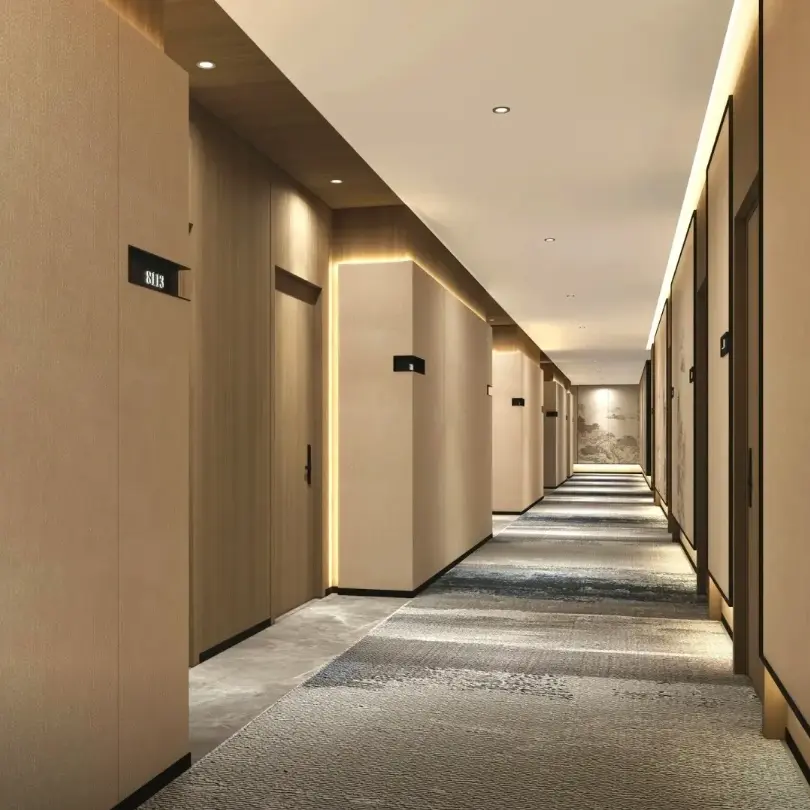
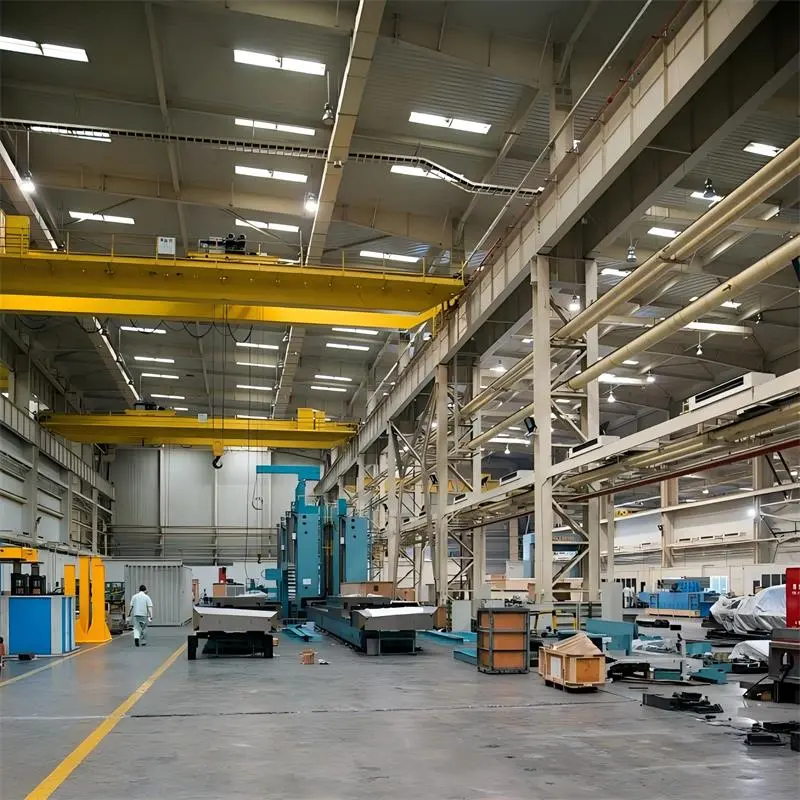

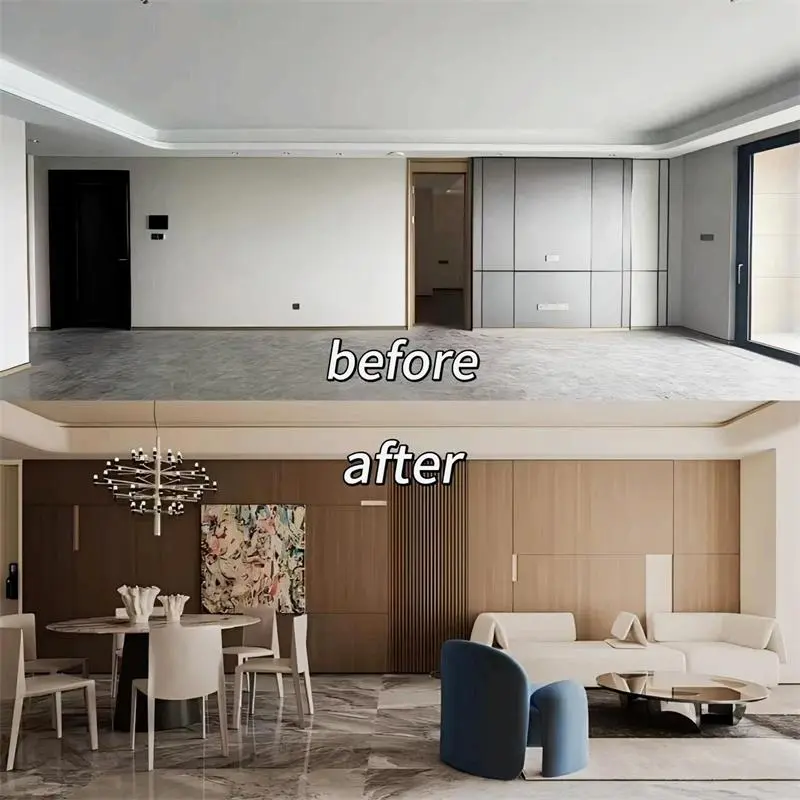
Haofa supplies building materials to developers, distributors, and design firms globally.

Review engineering specifications, commercial logistics options, and customization guidelines.
SPC (Stone Plastic Composite) contains a high limestone ratio (60-70% calcium carbonate) mixed with polymer resin, creating a solid, highly impact-resistant core. PVC foam panels are much lighter and less dense, using chemical foaming agents that reduce weight but make them susceptible to physical damage and indentation. SPC offers superior stability, better fire performance, and higher impact resistance, making it suitable for high-traffic public, commercial, and industrial spaces.
The tongue-and-groove joint is engineered for tight alignment. While the SPC core material is 100% waterproof, we recommend applying an anti-fungal silicone sealant along the joints during installation in high-humidity or wet-use areas. This creates a secure barrier against moisture and vapor transmission behind the cladding.
Yes. Through our manufacturing network, we offer customizable thicknesses (typically 3mm to 8mm), custom digital print patterns, and different protective wear layer thicknesses (0.3mm to 0.7mm). We can also apply acoustic backings (like IXPE or EVA foam) to the back of the panels to improve sound transmission class (STC) ratings.
We offer flexible shipping terms including FOB, CIF, EXW, and DDP. Our trade department coordinates logistics, handles customs clearance, and compiles export documentation to help streamline delivery to your warehouse or project site.
The dense limestone and polymer core limits thermal expansion. The linear expansion coefficient is usually below 0.12%. For large commercial installations, we recommend leaving a 2mm expansion gap at corners and borders, which is typically hidden by matching trim profiles.
Acoustic insulation sheets, support grids, and composite materials for complete interior installations.
 Haofa
Haofa