Explore our internationally certified collection of high-performance boards and partition panels optimized for global markets.
An authoritative exploration of standardizations, supply chain efficiency, and structural demand shifting in international building systems.
The global plaster board trade operates on two major design parameters: American ASTM standards and European EN certifications. The American Plaster Board standard (ASTM C1396) regulates physical properties, density, flexural strength, and fire-resistant parameters (Type X and Type C gypsum cores). Meeting these rigid requirements allows modern buildings to comply with life safety codes while optimizing weight loads.
Chinese OEM manufacturing leverages desulfurization gypsum (FGD) and advanced vertical continuous-calcination plants to guarantee continuous core consistency. Integrating state-of-the-art board drying kilns and real-time thickness monitoring ensures high dimensional stability, reducing field cracking and standardizing installation profiles across global worksites.
By streamlining bulk shipping methods, integrating light steel keel sets within the same container, and utilizing custom packing crates with corner protectors, professional plaster board exporters avoid cracking losses during maritime transit. This integrated shipping model represents a vital competitive advantage for global construction procurement networks.
In modern commercial construction, lightweight drywall structures have become a baseline engineering criteria. Compared to traditional masonry, high-performance gypsum board systems reduce build times by up to 50% while offering superior fire ratings, acoustical decibel attenuation, and carbon footprint reduction. Leading engineering companies depend on OEM exporters capable of adapting dimensions, edge configurations, and specialized core chemical compositions to custom regional standards.
Integrated setups optimized for sound isolation, fire endurance, moisture prevention, and structural performance.
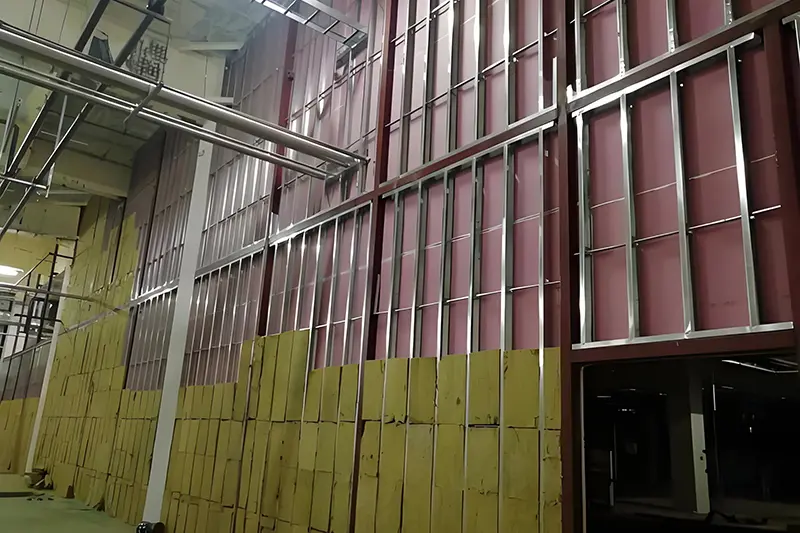
Designed for thermal boundary integrity and high-rise core safety partitions.
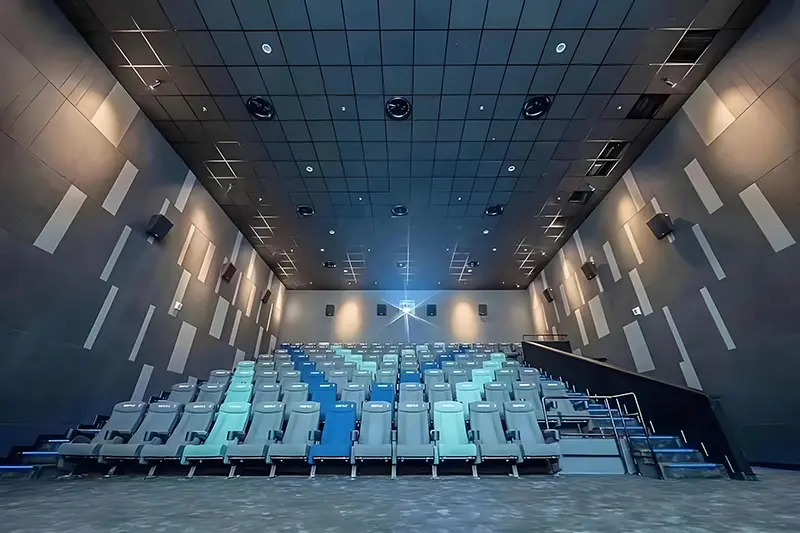
Engineered for high Sound Transmission Class (STC) ratings, mitigating ambient noise bleed.
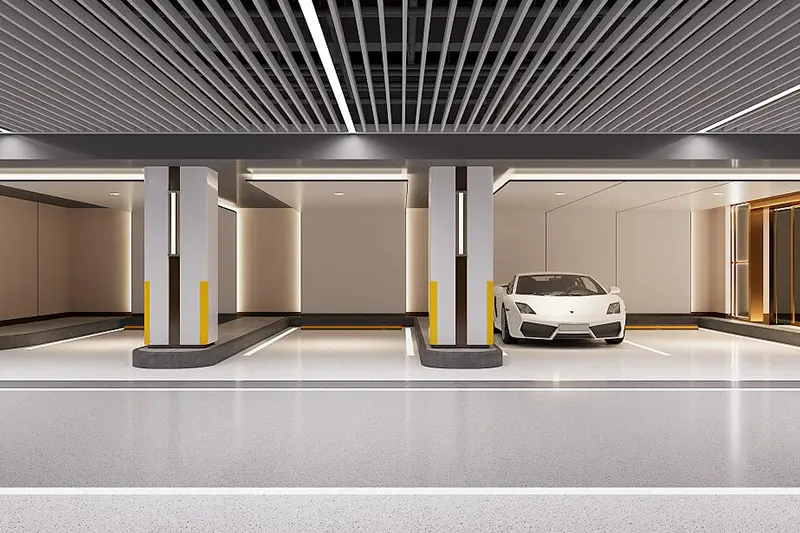
Engineered for high humidity environments to prevent mold structural decomposition.
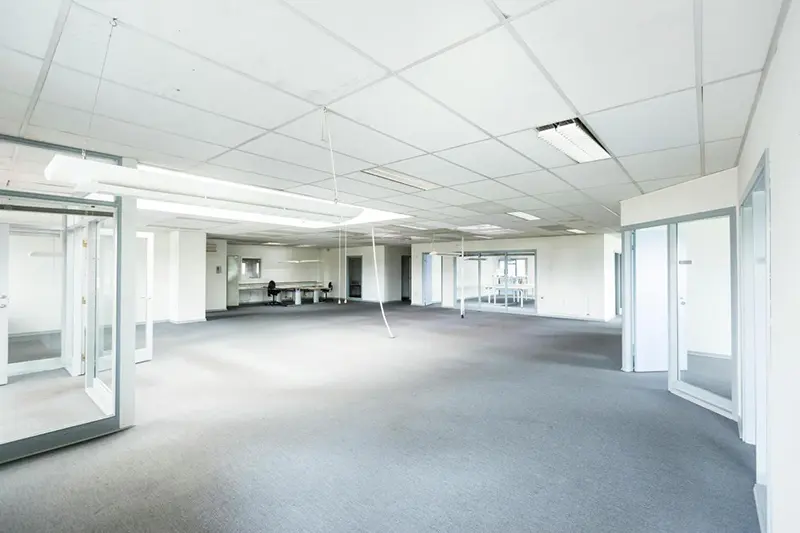
Designed to minimize on-site wet trade work and accelerate modern construction milestones.
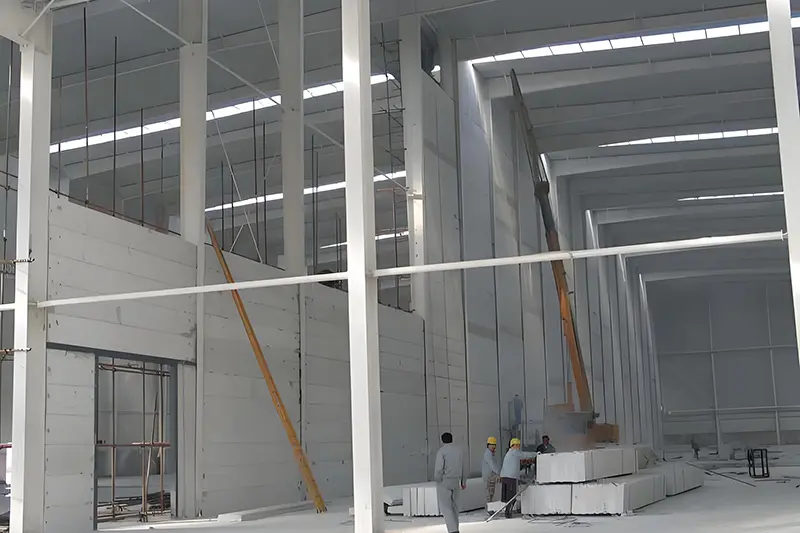
Custom setups for heavy mechanical rooms and structural load-bearing partition configurations.
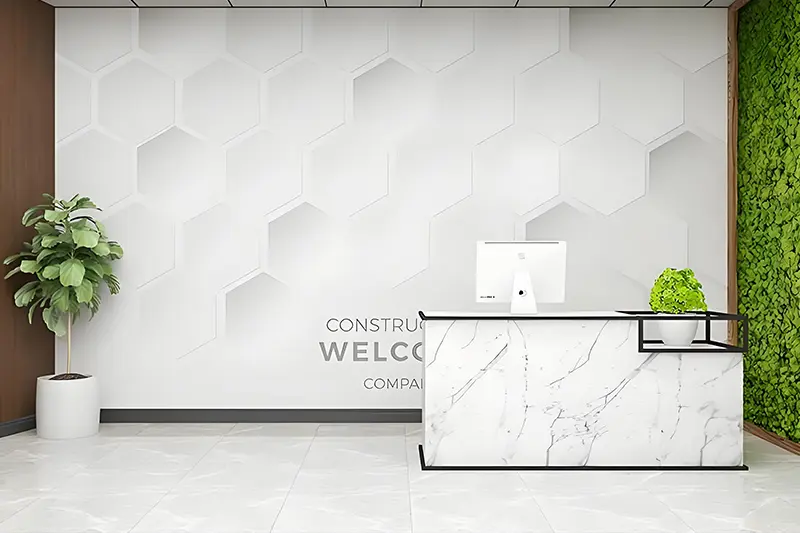
Integrating surface textures and premium configurations to balance design aesthetics with core durability.
The name "Haofa" means a wide world with great potential. For 25 years, we have committed ourselves to the global distribution, OEM customization, and full-scale procurement supply chain management of commercial partition systems, ceiling configurations, and floor system materials.
Serving nearly 3,000 global customers, we maintain a 0% order default rate through a deeply integrated network of hundreds of factories across 20 Chinese cities.

"Our guiding principle is 'once a deal, lifelong friends.' Building materials must stand the test of time, and our supply relationships must do the same. We prioritize structural security, international standard compliance, and cost efficiency above all else."
Under her guidance, our team averages over 10 years of experience in foreign trade, executing smooth operations from customs declaration to multi-currency contract management.
Our systems comply with CE, ASTM, RoHS, and EN standards. We continuously inspect manufacturing facilities to assure premium outputs.
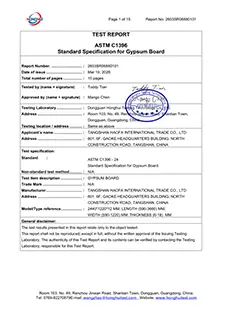
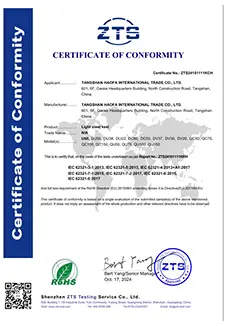
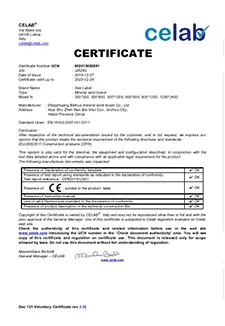
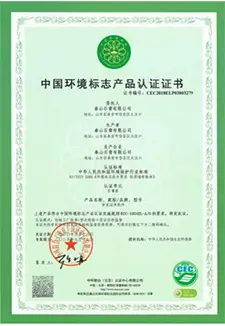
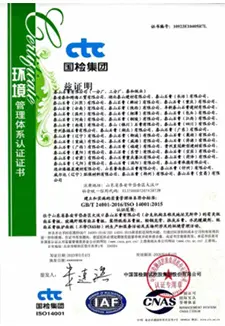
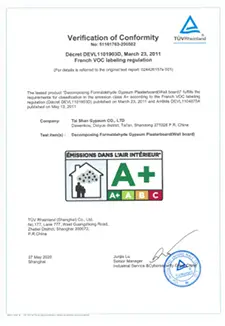
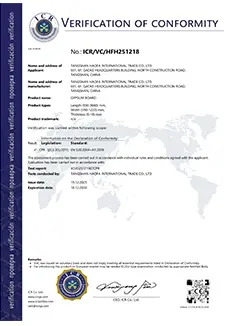
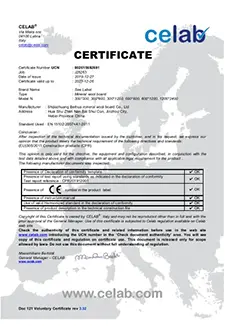




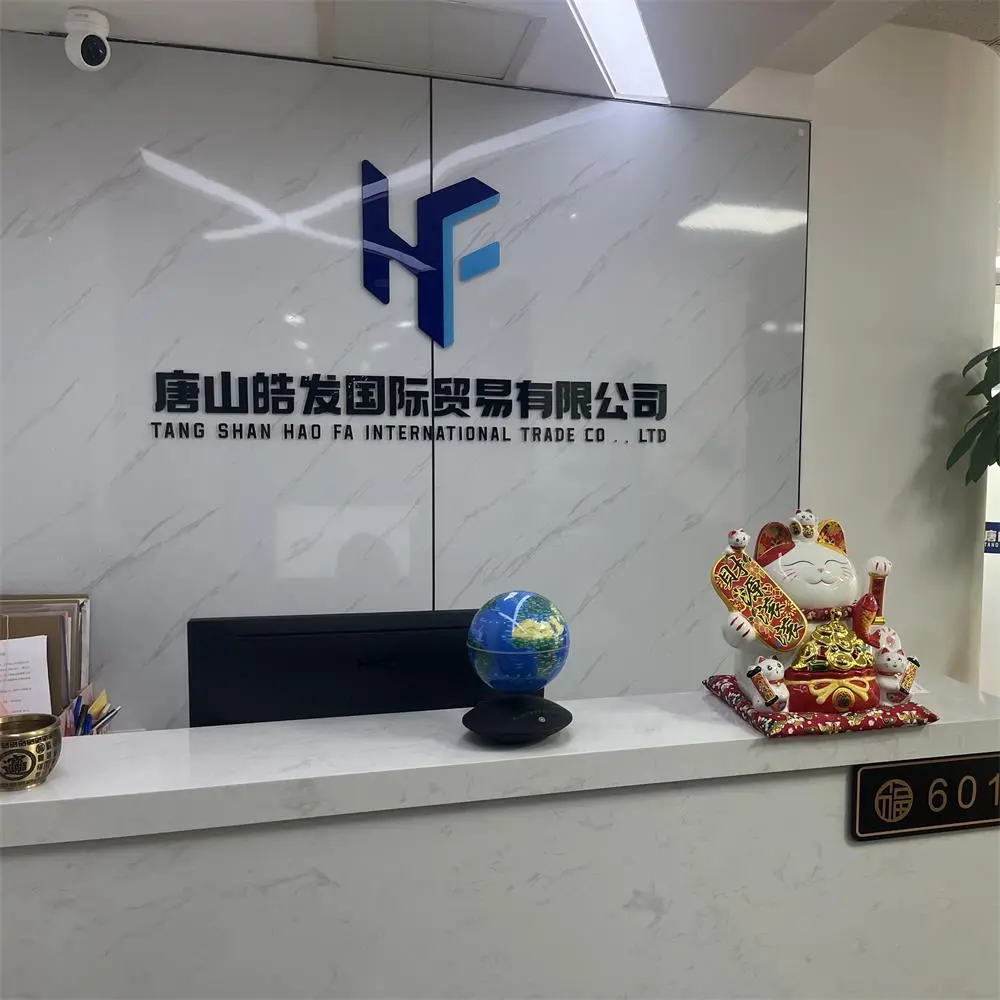

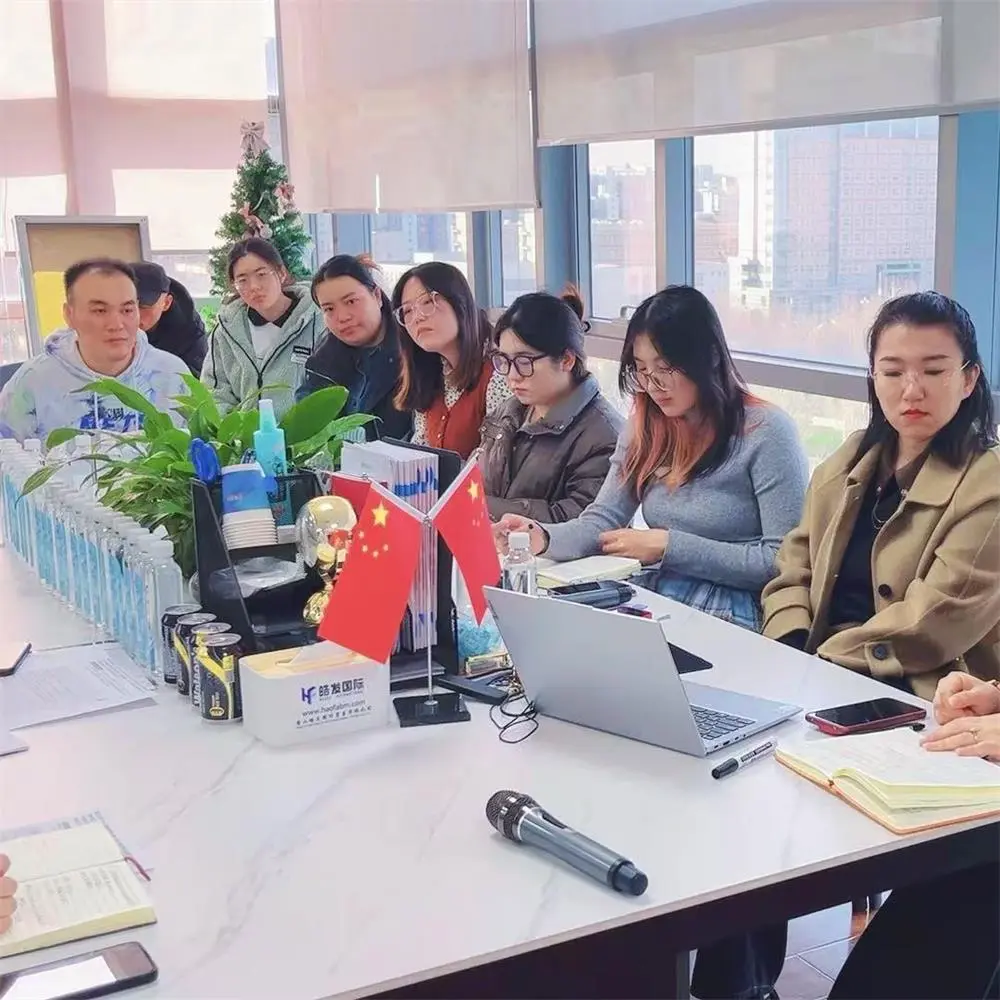

Serving complex architectural demands with high-density materials and custom systems.
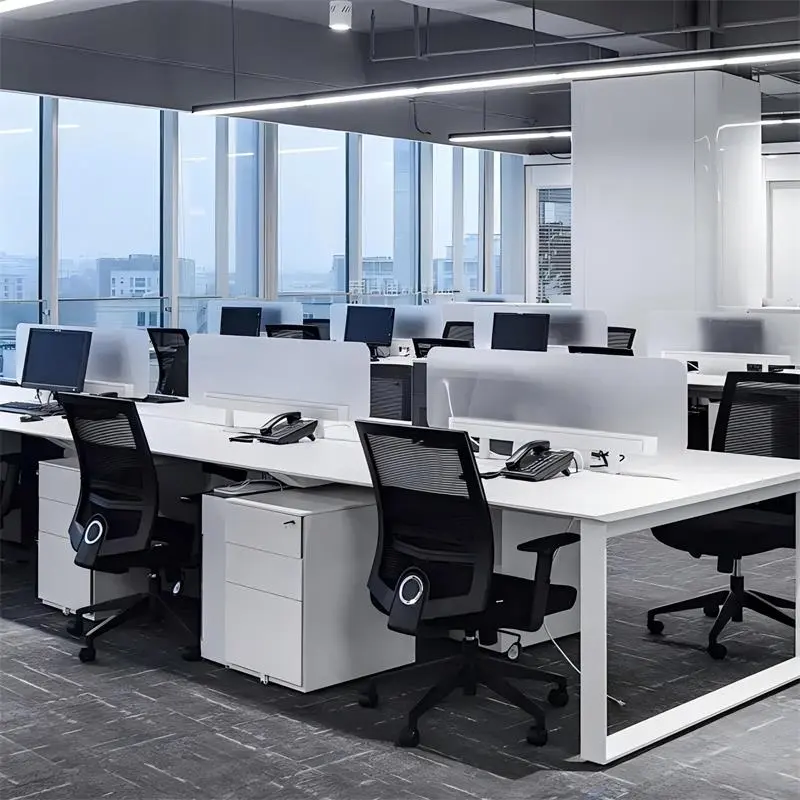
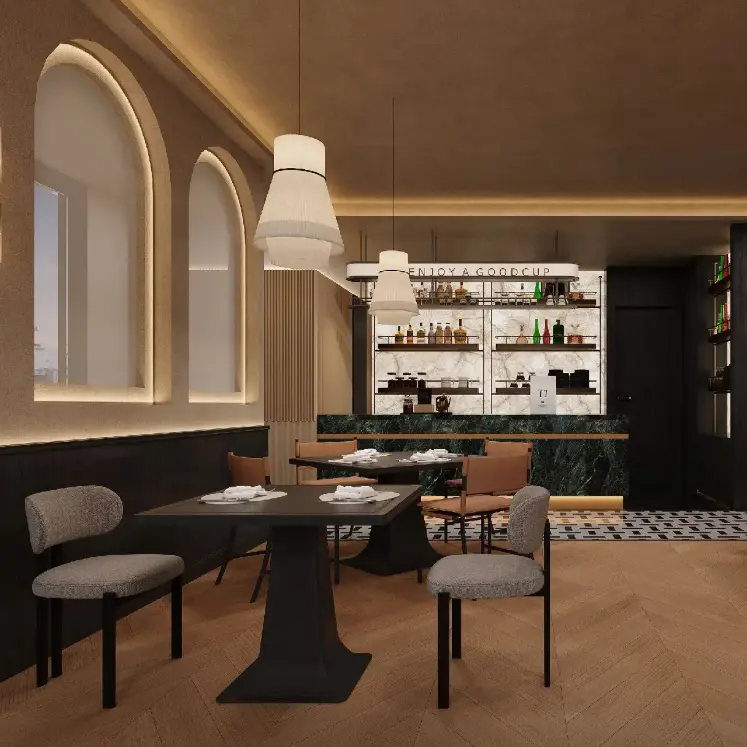
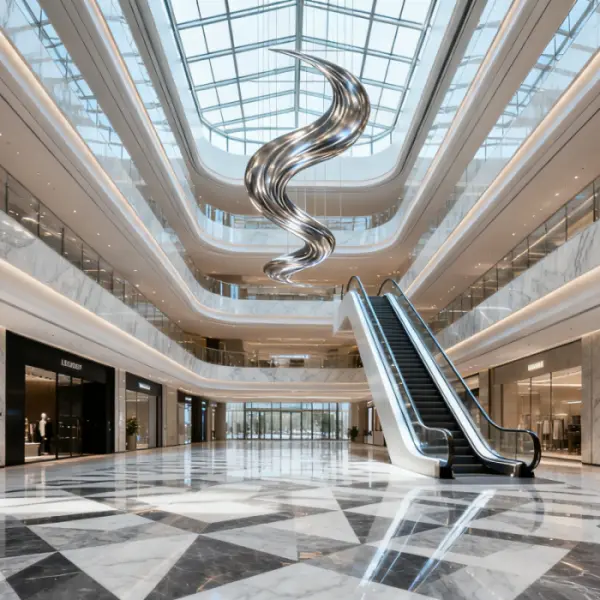

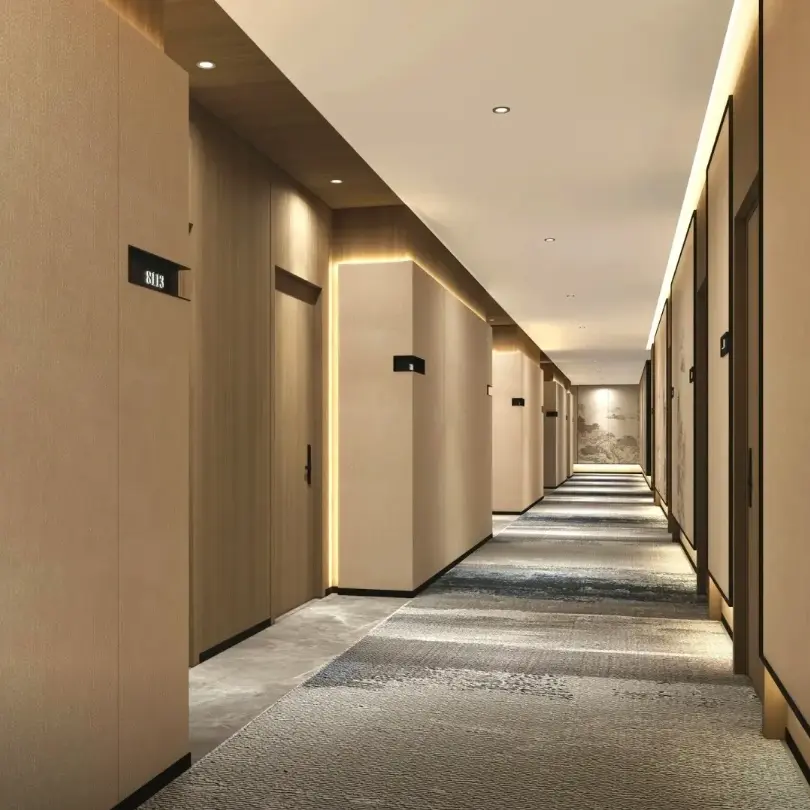

Exporting to: US, CA, HT, BR, CL, CO, PE, GB, FR, ES, NL, DE, CD, GH, TZ, CI, MY, SA, OM, AE, IN, PK, SG, PH, JP, VN, ID, AU, NZ

The standard plasterboard comprises a core of crystalline gypsum (CaSO4·2H2O) sandwiched between multi-ply paper face liners. During marine shipment across different climate zones, plasterboard is susceptible to relative humidity (RH) shifts. High RH causes paper fiber saturation, weakening flexural resistance. Professional exporters mitigate this by maintaining desiccants inside containerized packaging and treating paper face surfaces with biocide/fungicide coatings to comply with ASTM D3273 mold resistance benchmarks.
Plasterboard is manufactured with tapered edges (TE) or square edges (SE). The tapered edge formation allows mudding compounds and glass-mesh joint tapes to rest flush against the wall surface, creating a seamless partition line. OEM specifications must correspond precisely to the architectural frame layout (whether metric or imperial stud dimensions). A deviation of even 1.5mm across a partition wall panel can result in misaligned vertical seams, increasing labor finish times.
Modern sustainability directives mandate using Flue Gas Desulfurization (FGD) gypsum—a byproduct of power plant emission filtration—to form the plasterboard core. FGD gypsum contains higher chemical purity than natural gypsum rock, facilitating uniform crystal formation during calcination. By injecting micro-foaming agents into the slurry, manufacturers reduce the dry-density weight of standard 1/2" panels to under 1.6 lbs/sq.ft without losing mechanical holding capacities around framing fasteners.
Find technical answers regarding standardization, container configurations, and OEM ordering protocols.
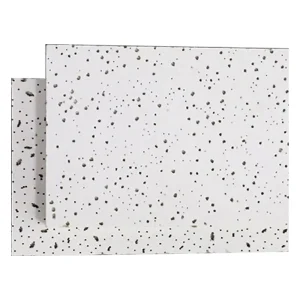
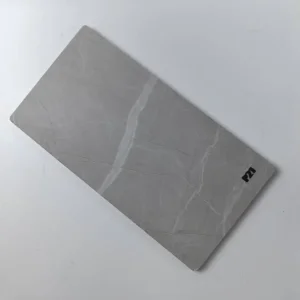
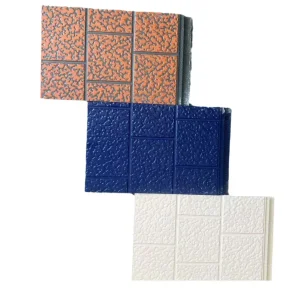
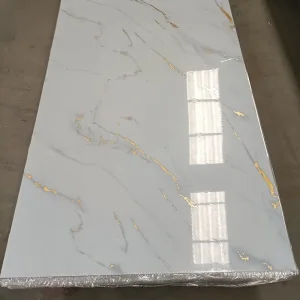
Diversify your stock list with high-margin acoustic boards, SPC flooring, and specialty structural sheets.

 Haofa
Haofa