Advanced Architectural Wall, Ceiling, and Ground Infrastructure Solutions for Global Distribution.
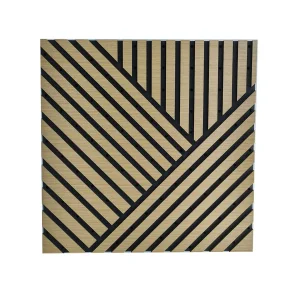
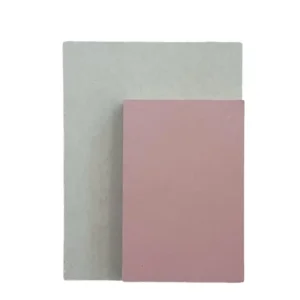
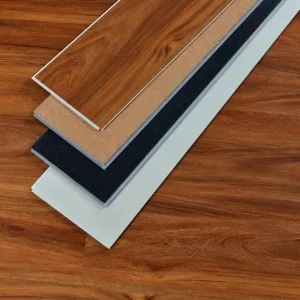
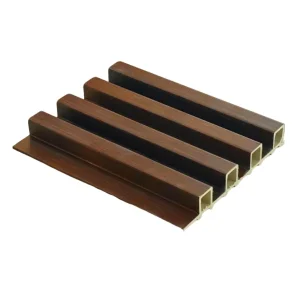
Evaluating the commercial demand, regulatory shifts, and polymer-wood composites landscape.
The global construction sector is undergoing a rapid transition toward sustainable, low-maintenance architectural materials. Among these, Wood Plastic Composite (WPC) outdoor flooring has emerged as a dominant choice for both commercial and high-end residential landscaping. Over the past decade, the global market for outdoor decking, cladding, and balustrades has transitioned away from traditional pressure-treated timber and expensive tropical hardwoods toward engineered composite structures.
WPC is synthesized by blending recycled wood fibers (typically sawdust or wood flour) with thermoplastic polymers, including High-Density Polyethylene (HDPE), Polyvinyl Chloride (PVC), or Polypropylene (PP), along with chemical additives such as UV stabilizers, coupling agents, lubricants, and pigments. This formulation yields a material that retains the aesthetic appeal of natural wood while offering superior resistance to rot, fungal decay, moisture absorption, and mechanical wear.
Market expansion is primarily driven by the escalating costs of timber maintenance and a universal push toward green building codes (such as LEED and BREEAM). Properties utilizing WPC decking experience a significant reduction in Life Cycle Cost (LCC) compared to softwood or hardwood decks, which require annual sealing, painting, and insect treatments. In particular, the hospitality industry, municipal park planners, and commercial developers favor composite flooring to mitigate liability risks associated with splintering, slipping, and structural deterioration over time.
Why wholesale buyers choose direct Chinese factory lines for high-volume supply chains.
When searching for a reliable wholesale outdoor wood plastic composite Wpc flooring company, enterprise buyers must analyze the operational efficiencies of raw material sourcing and scale capabilities. China is the world's largest exporter of WPC building materials, powered by integrated supply chain clusters that link polymer recycling plants, wood processing facilities, and deep-water shipping terminals.
The operational edge of Chinese WPC factories relies on three main pillars:
Modern Chinese plants employ multi-layer co-extrusion technology, wrapping a dense, 360-degree protective shield (cap layer) around the composite core. This shield contains highly advanced UV inhibitors and anti-scratch agents, preventing fade, moisture penetration, and stain damage.
Proximity to industrial timber processing zones and domestic polymer reclamation centers allows Chinese companies to secure highly consistent wood flour and polymer pellets at stable pricing, insulating global buyers from massive cost fluctuations.
Equipped with computerized twin-screw extruders, major Chinese factories operate continuous 24/7 production loops, satisfying large-scale infrastructure orders (exceeding 50 containers per month) within predictable lead times of 15 to 25 days.
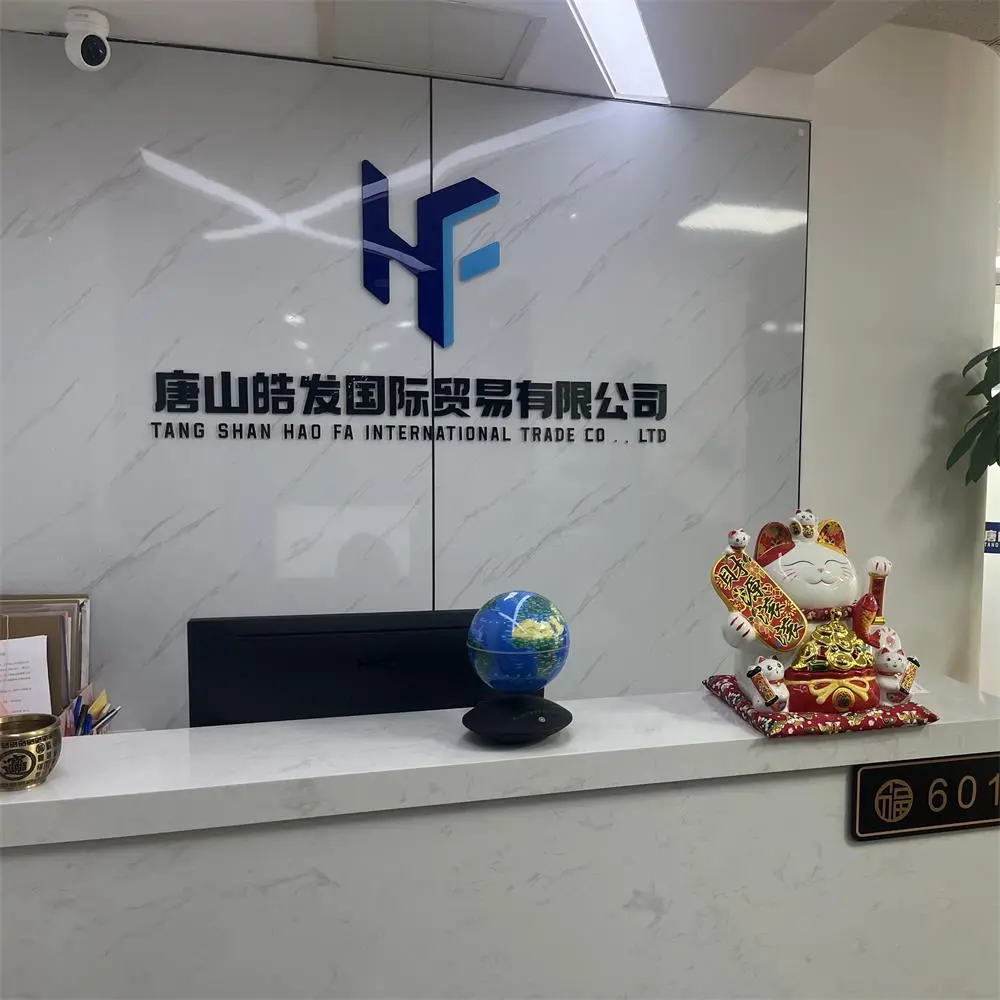
Furthermore, entities like Tangshan Haofa International Trade Co., Ltd. leverage their established 25-year supply network to coordinate production with top-tier domestic manufacturers. Operating across more than 20 cities and partnering with hundreds of certified supply-chain factories, Haofa provides a single-point-of-contact procurement solution that handles quality inspections, custom packaging, trade financing, and multi-modal logistics directly to the client's destination port.
A technical assessment of WPC decking compared to alternative materials.
| Performance Metric | Co-Extruded WPC Flooring | Pressure-Treated Softwood | Natural Hardwood (Ipe/Teak) | Stone Plastic Composite (SPC) |
|---|---|---|---|---|
| Moisture Absorption | < 0.5% (Non-porous cap) | 20% - 30% (High swelling) | 8% - 15% (Moderate warp) | < 0.05% (Interior only) |
| Maintenance Overhead | Zero (Periodic washing only) | High (Annual staining/sanding) | High (Oiling to preserve color) | Zero |
| Fungal & Insect Resistance | Excellent (Inorganic compound matrix) | Poor (Requires chemical toxins) | Moderate to High (Natural oils) | Immune |
| Lifespan Under Direct UV | 25+ Years (Shielded cores) | 5 - 10 Years (Rot/split risk) | 15 - 30 Years (Splitting risk) | Deforms in direct outdoor UV |
| Eco-Friendly Composition | 100% Recyclable, 90% recycled content | Low (Heavy chemical treatments) | Variable (Deforestation risks) | Recyclable polymers, high energy cost |
A closer look at Tangshan Haofa International Trade Co., Ltd. and our industrial production network.
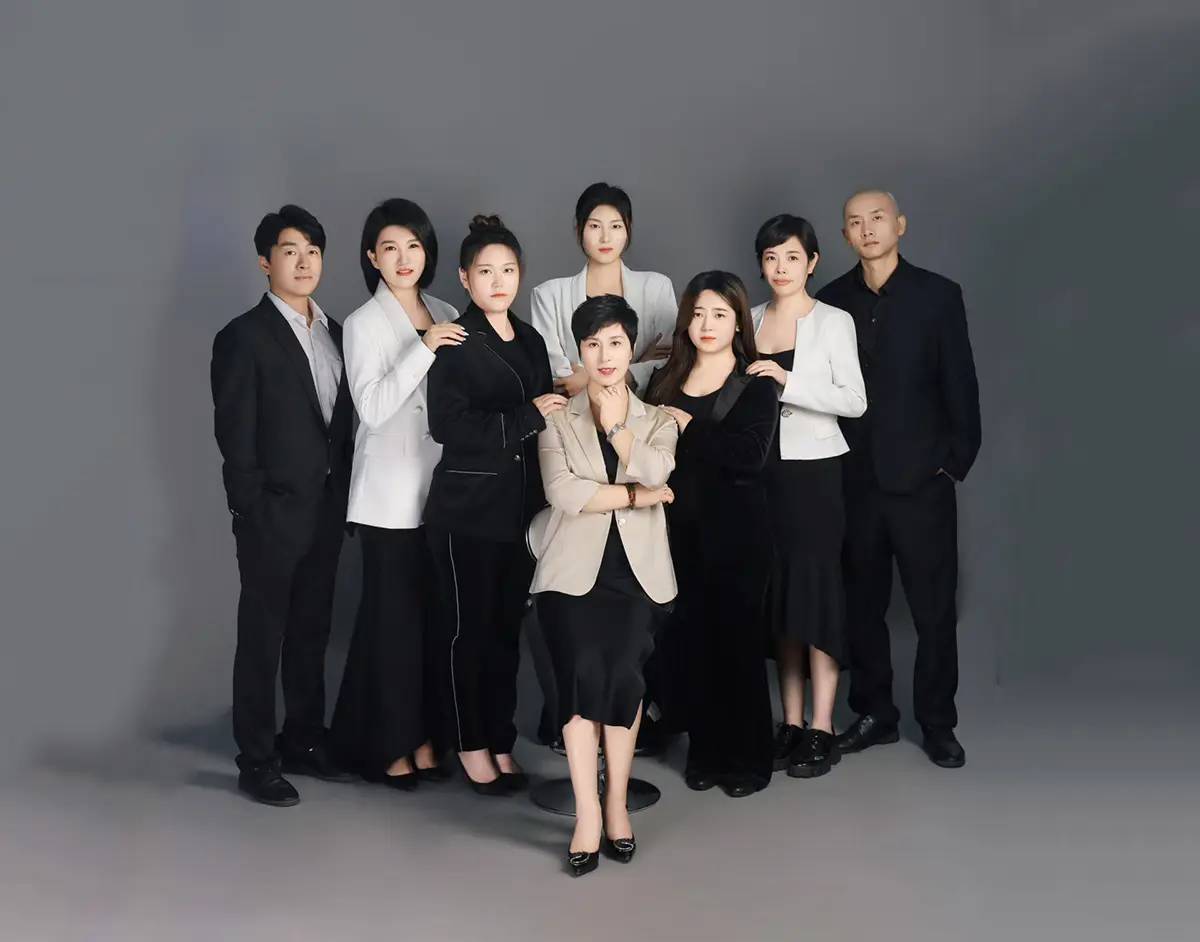
The name "Haofa" signifies a wide world with great potential. As a premier, emerging trading enterprise, we have spent 25 years building deep supply chain networks in the structural decoration and building materials sector.
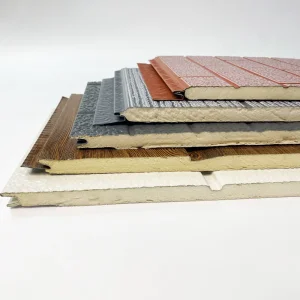
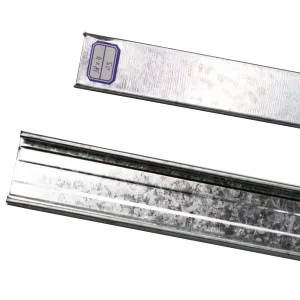
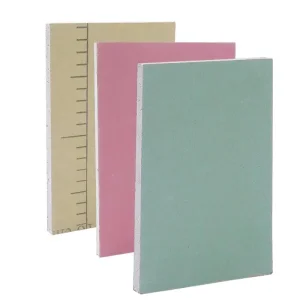
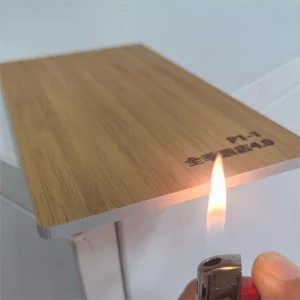
Our comprehensive services cover three major application scenarios: wall systems, ceiling systems, and ground systems. Key items in our portfolio include light steel keel, gypsum boards, mineral wool boards, PVC wall panels, premium WPC decking, hardware accessories, and bespoke residential/commercial furniture.
Founded by Ms. Zhang Xuedong, our management and operations teams boast an average of over 10 years of international trade experience. We operate specialized departments spanning Purchasing, Operations, QA/QC, Logistics, and Client Services, allowing us to serve nearly 3,000 customers globally with zero compromise on quality.
At Haofa, our culture centers on quality, innovation, and service. We believe in letting every team member act as an independent partner, ensuring high-efficiency communication and absolute accountability for our global accounts. We actively support environmental initiatives and sustainable trade practices to realize harmonious development between the building materials industry and global eco-conservation.
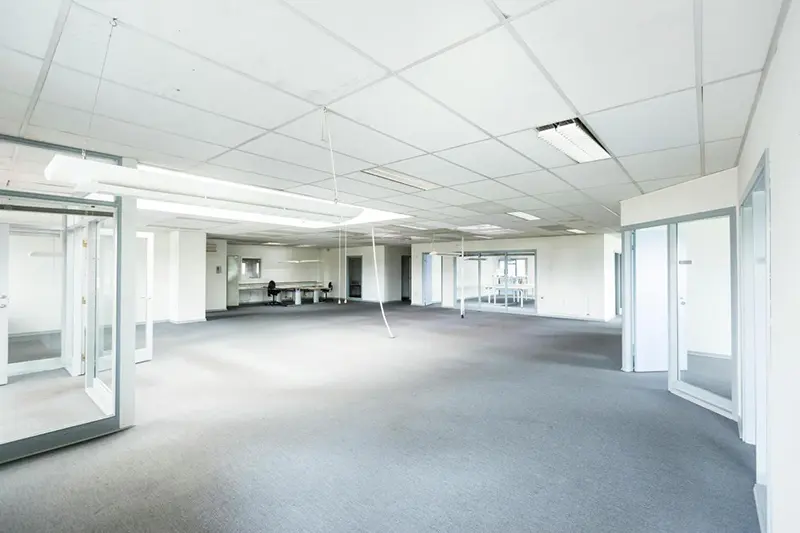
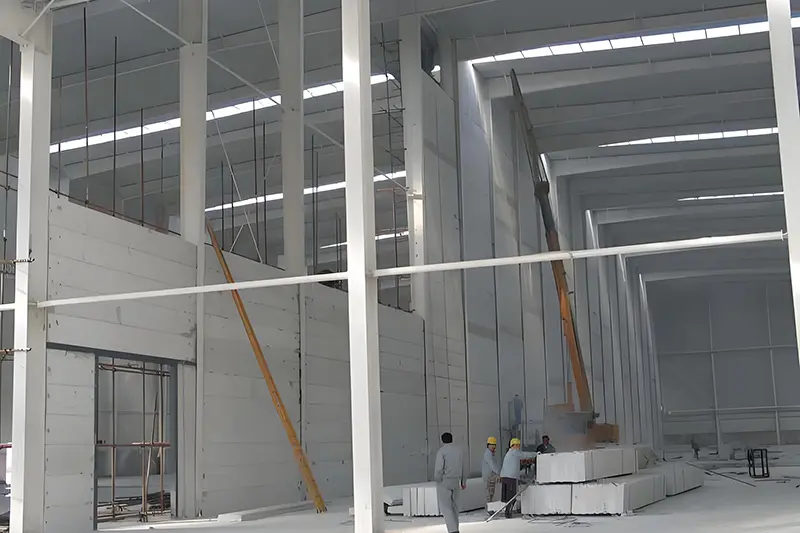
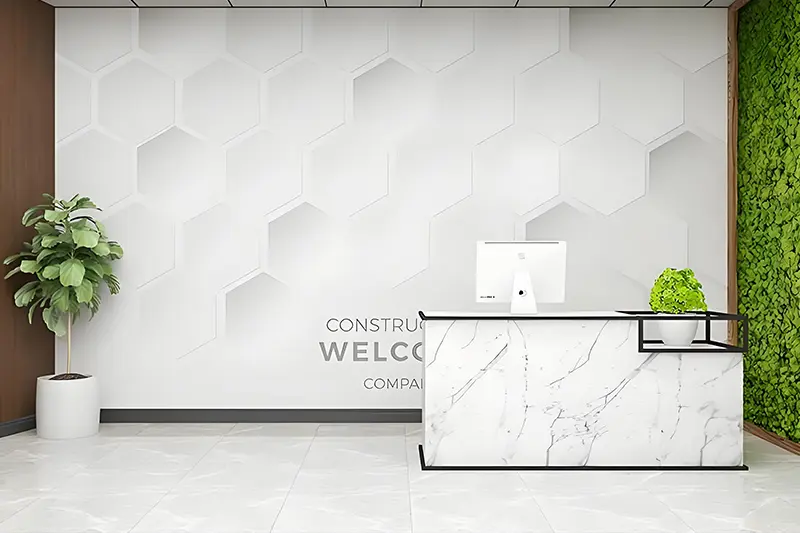
Customized material combinations designed to solve fire, acoustic, and moisture problems in high-density environments.
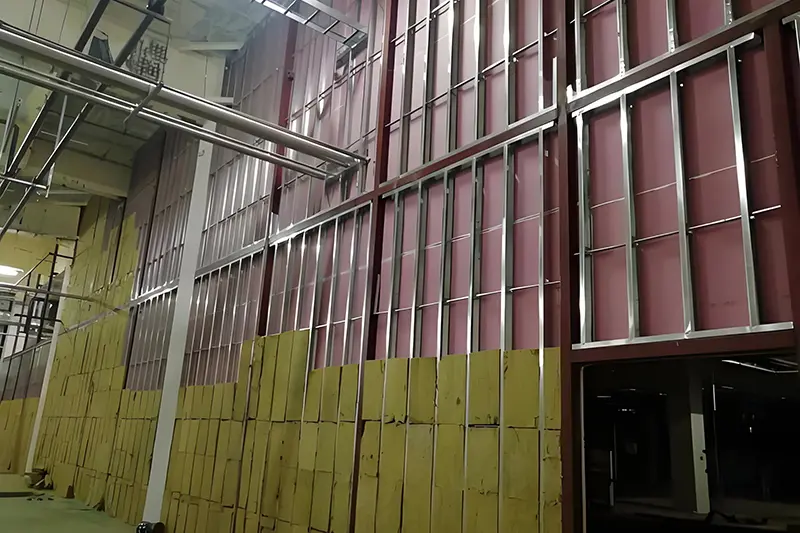
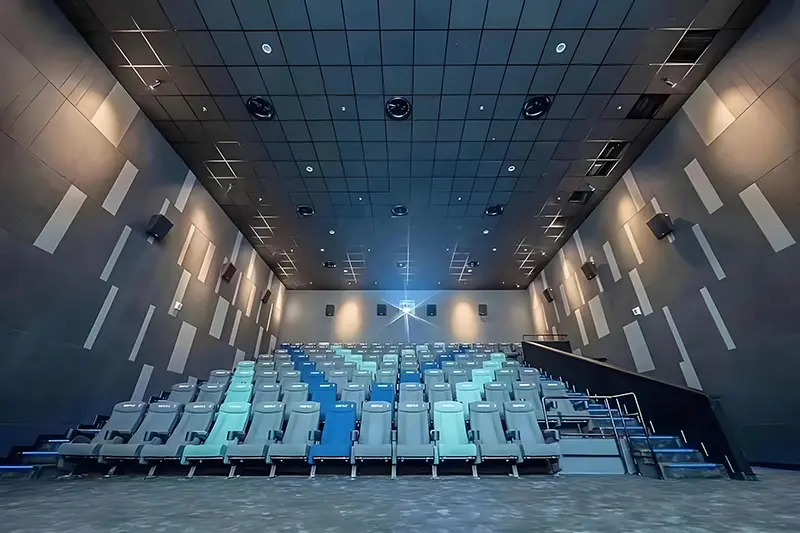
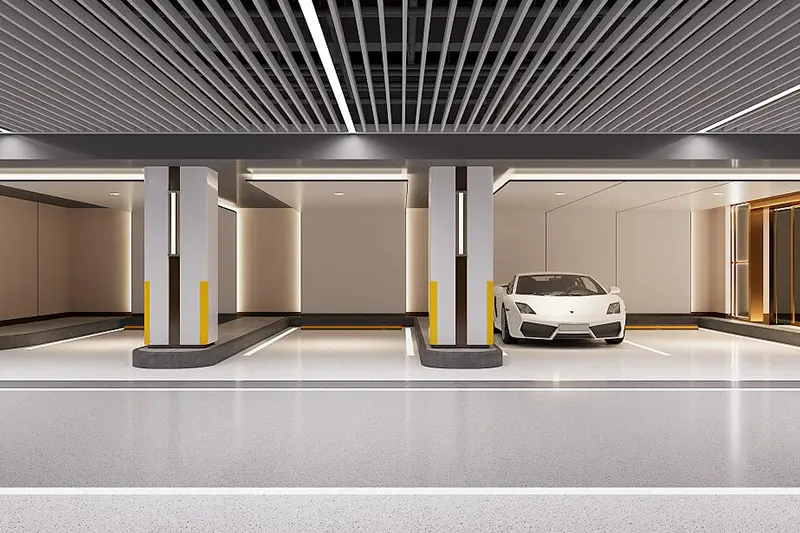
Meeting building regulations across Europe, the Americas, and APAC regions.
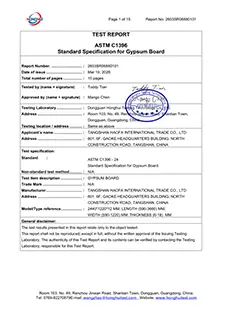
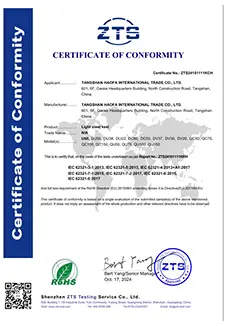
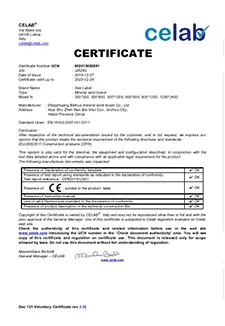
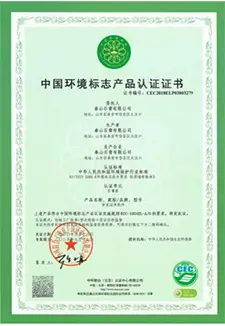
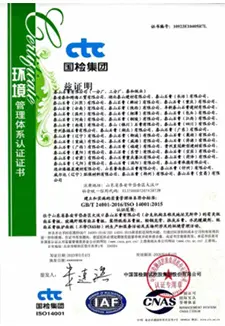
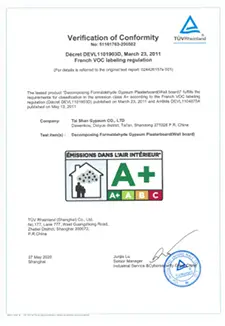
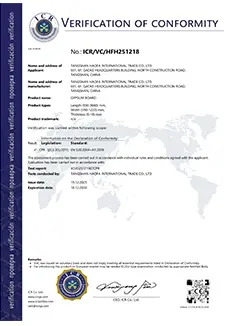
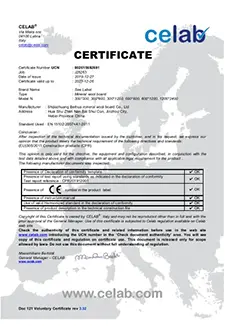
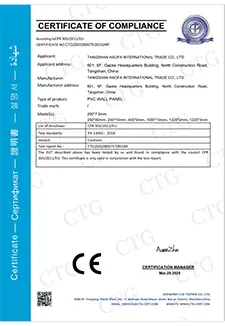
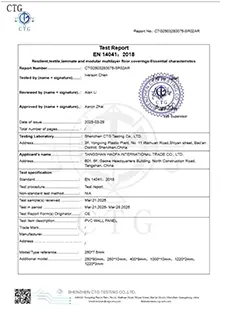
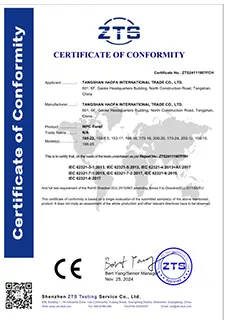
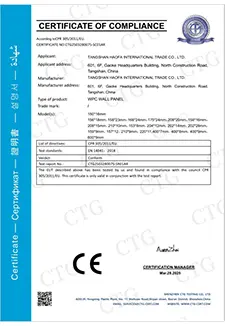
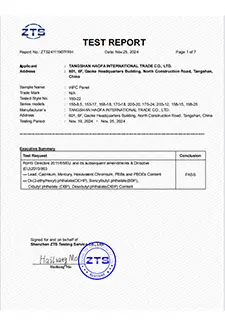
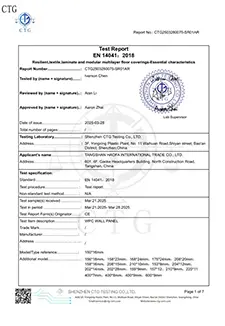
Any leading WPC flooring company must operate under high-level manufacturing certifications to prove compliance with structural and environmental codes. Our partner factories strictly adhere to rigorous quality control frameworks, ensuring our materials meet or exceed performance metrics for global building projects.
Our building products have passed major international standards: CE (EN 15534 for composite materials), ASTM (D7031, D7032, D6109 for structural performance and mechanical properties), RoHS, and ISO 9001. Additionally, our assemblies possess industry certifications for fire retardancy, low chemical emissions, and resistance to environmental moisture.
Architectural applications and design versatility of modern building systems.
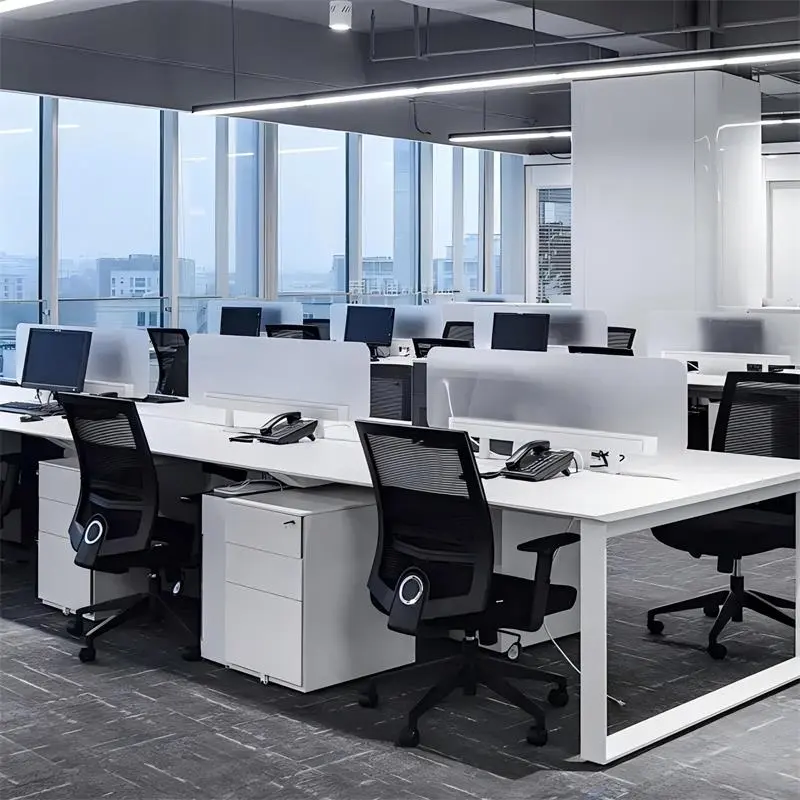
Enhancing employee efficiency with custom acoustic systems and premium wall panelling designs.
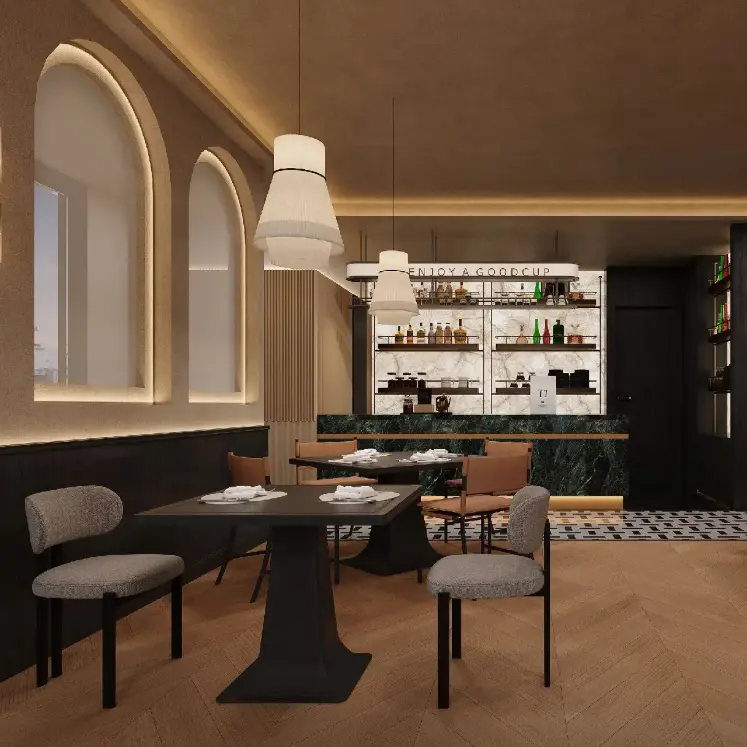
Durable, fire-retardant surface finishes that resist stains and spills in high-traffic food services.
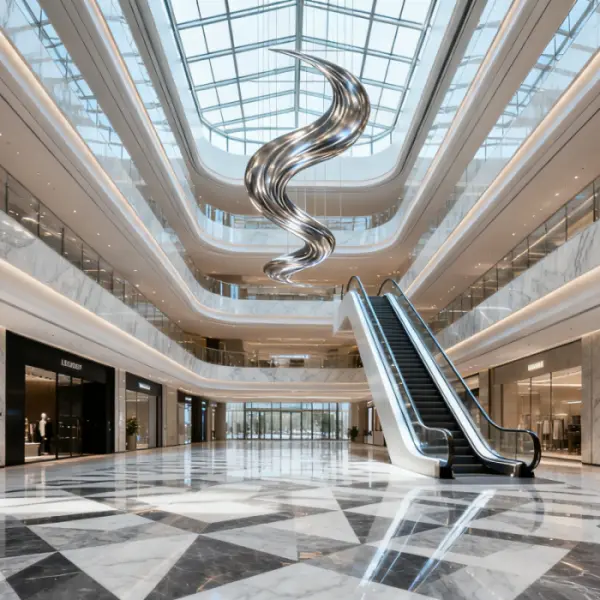
High-strength, impact-resistant structures engineered for transport hubs, schools, and civic offices.
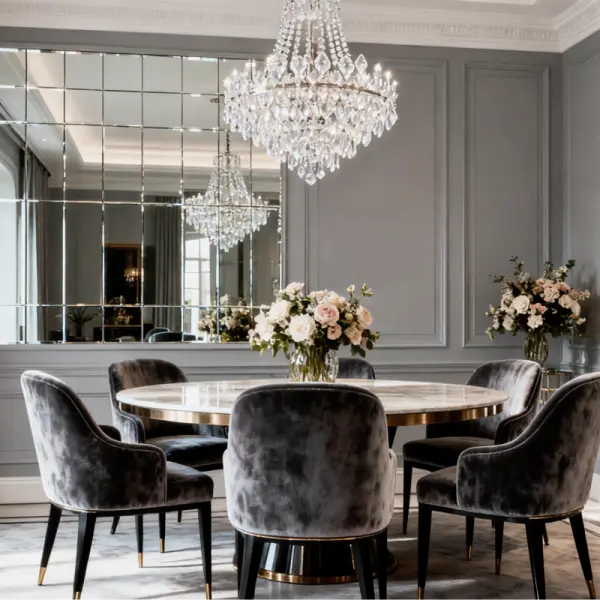
Premium customized finishes offering beautiful, seamless interior styling for modern homes.
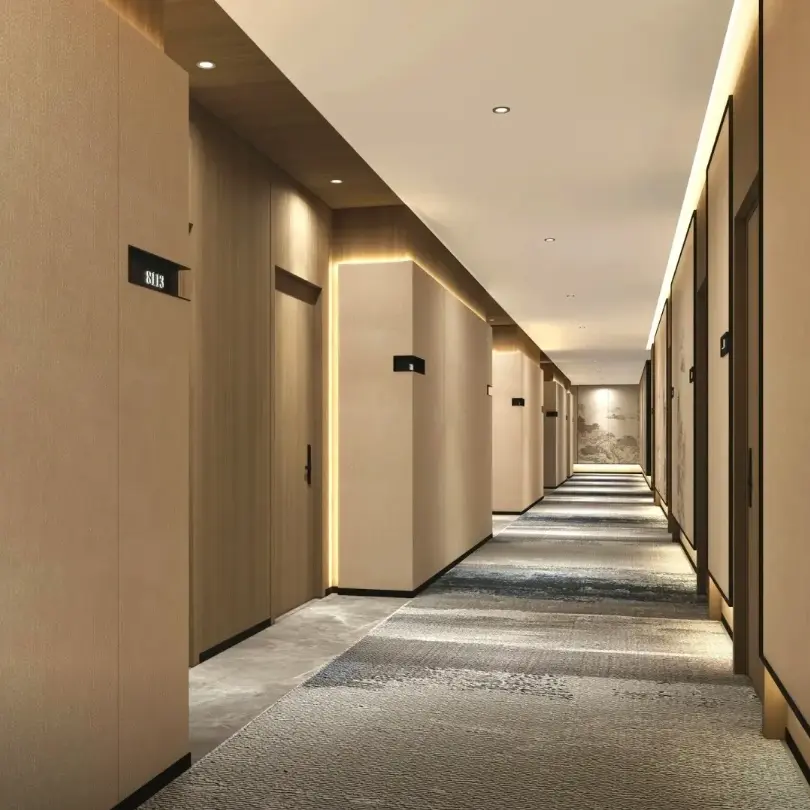
Fast-track, snap-on construction systems that reduce sound transfer and speed up installation times.
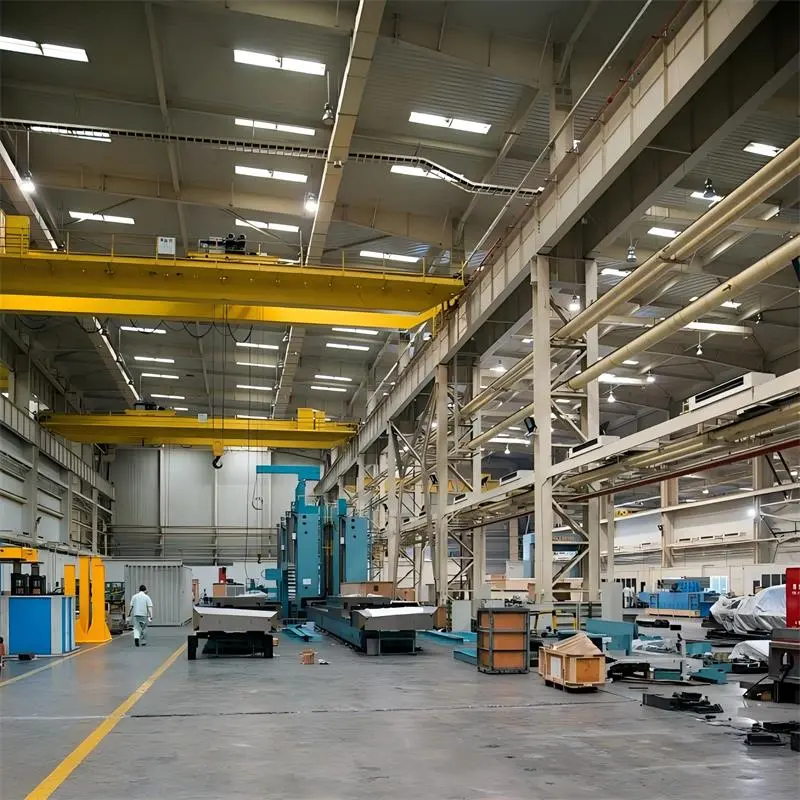
Industrial strength, moisture-resistant ceiling and wall assemblies for clean logistics centers.
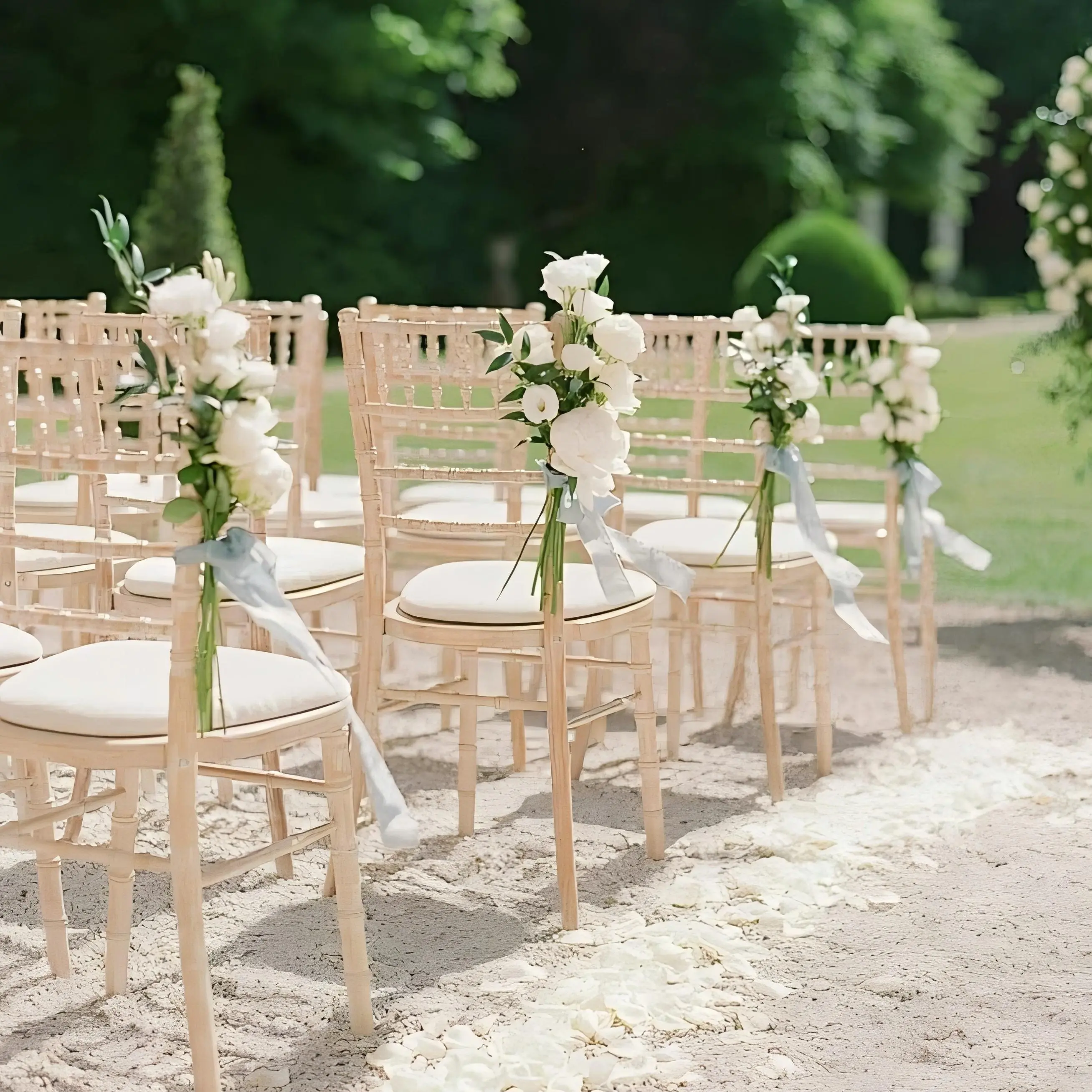
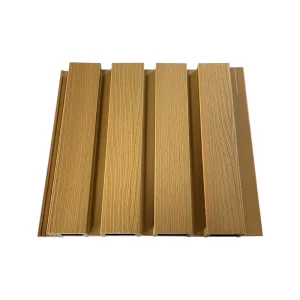
WPC composite decking and cladding with advanced moisture shielding and anti-fade protection.
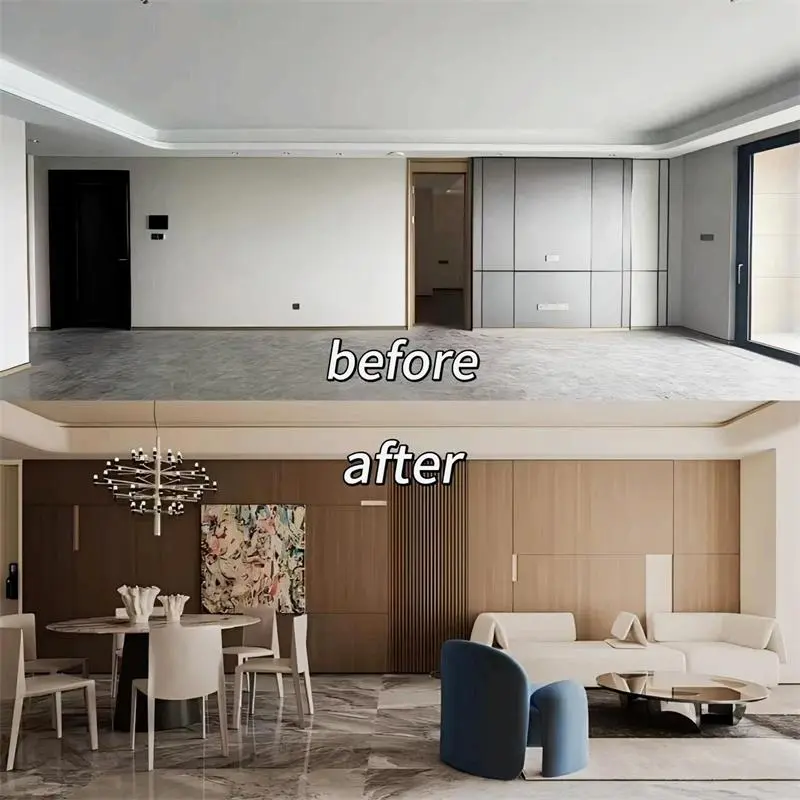
Lightweight, structural panels that install directly onto existing frames without overloading structures.
Delivering high-performance architectural systems and custom solutions to construction businesses in over 30 countries.

Answering common questions about mechanical specifications, shipping logistics, and custom production.
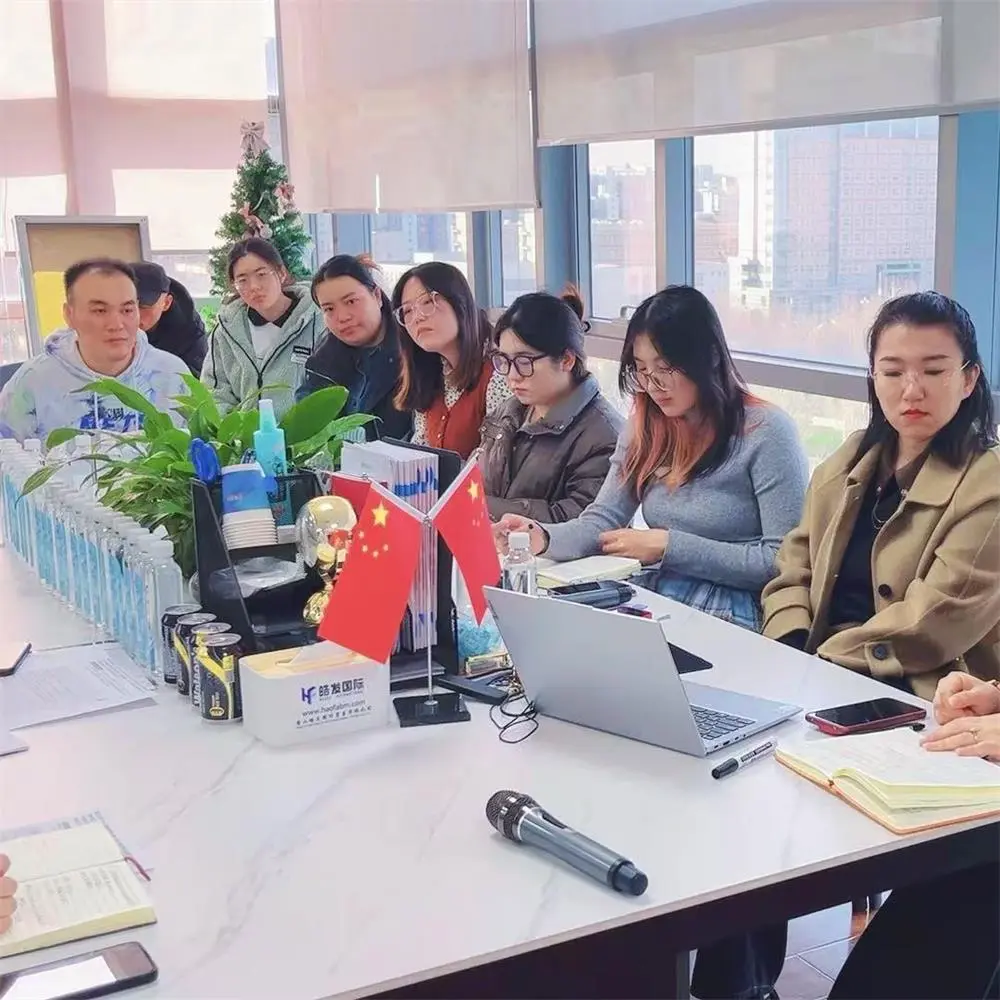
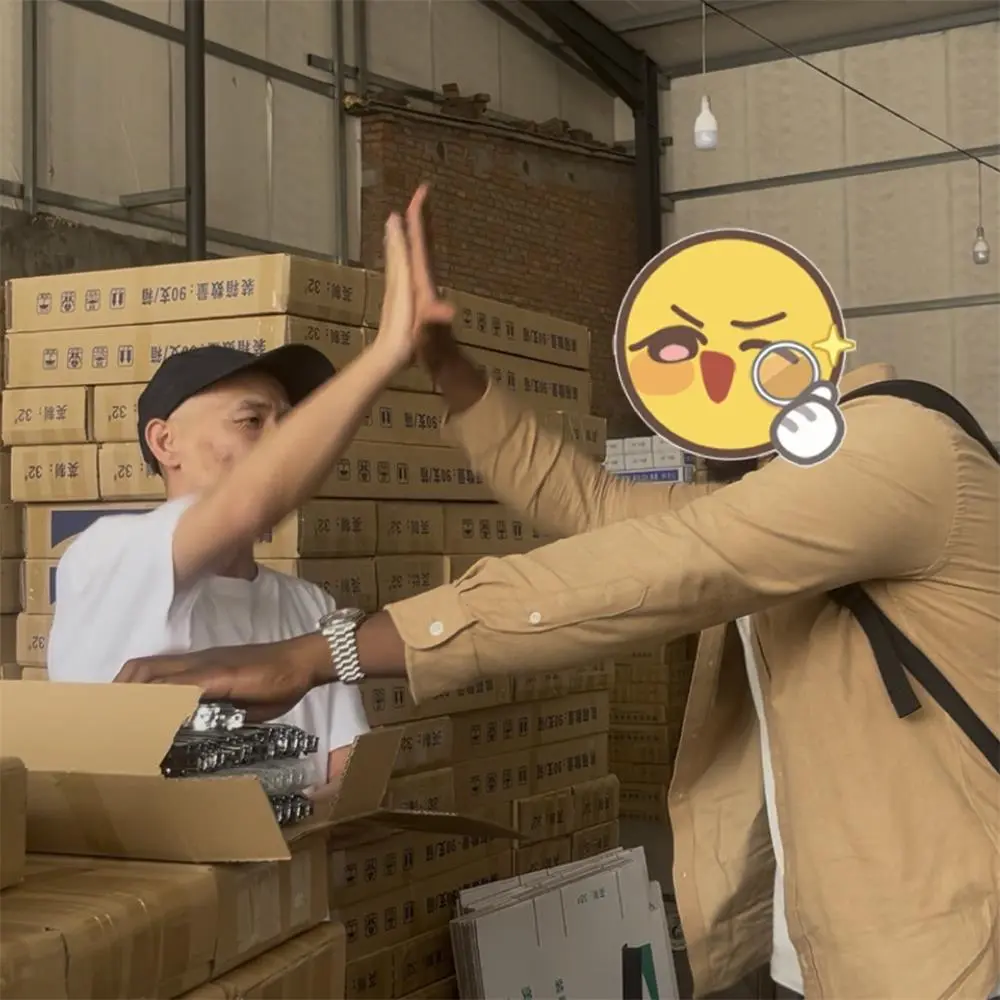
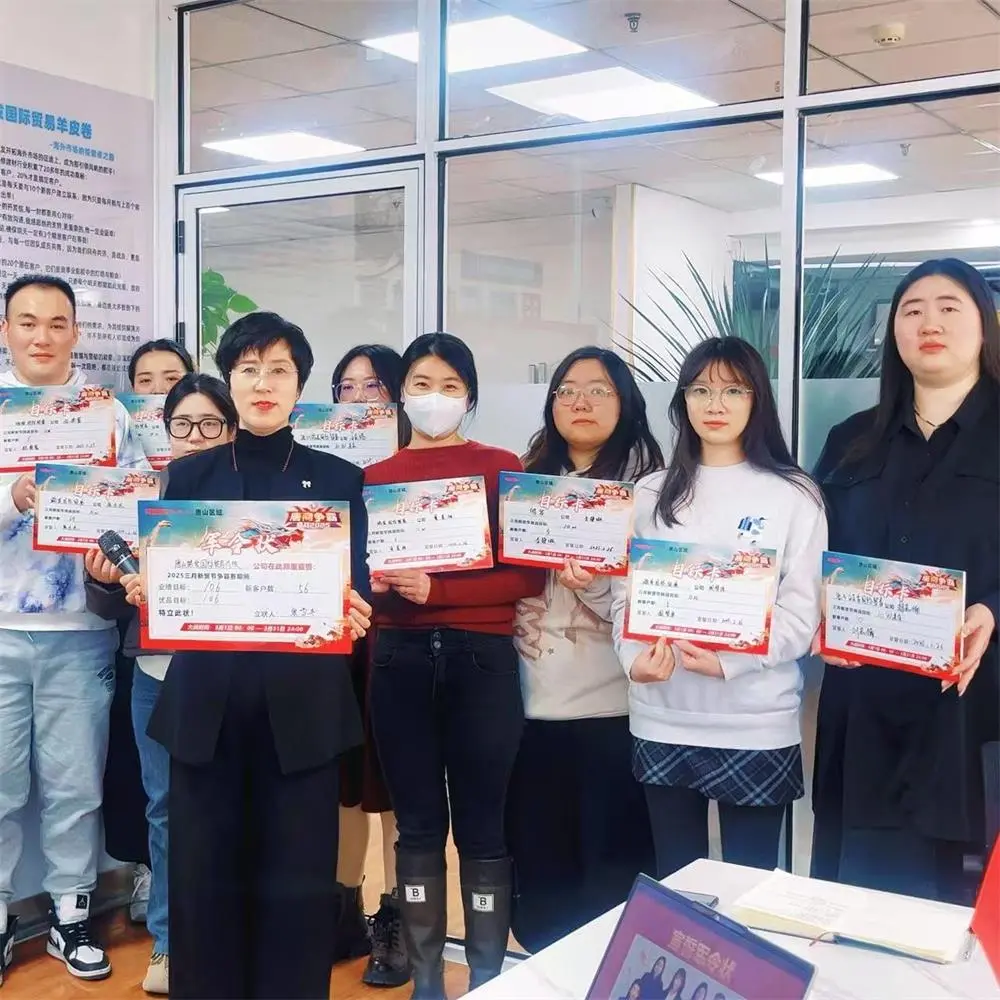
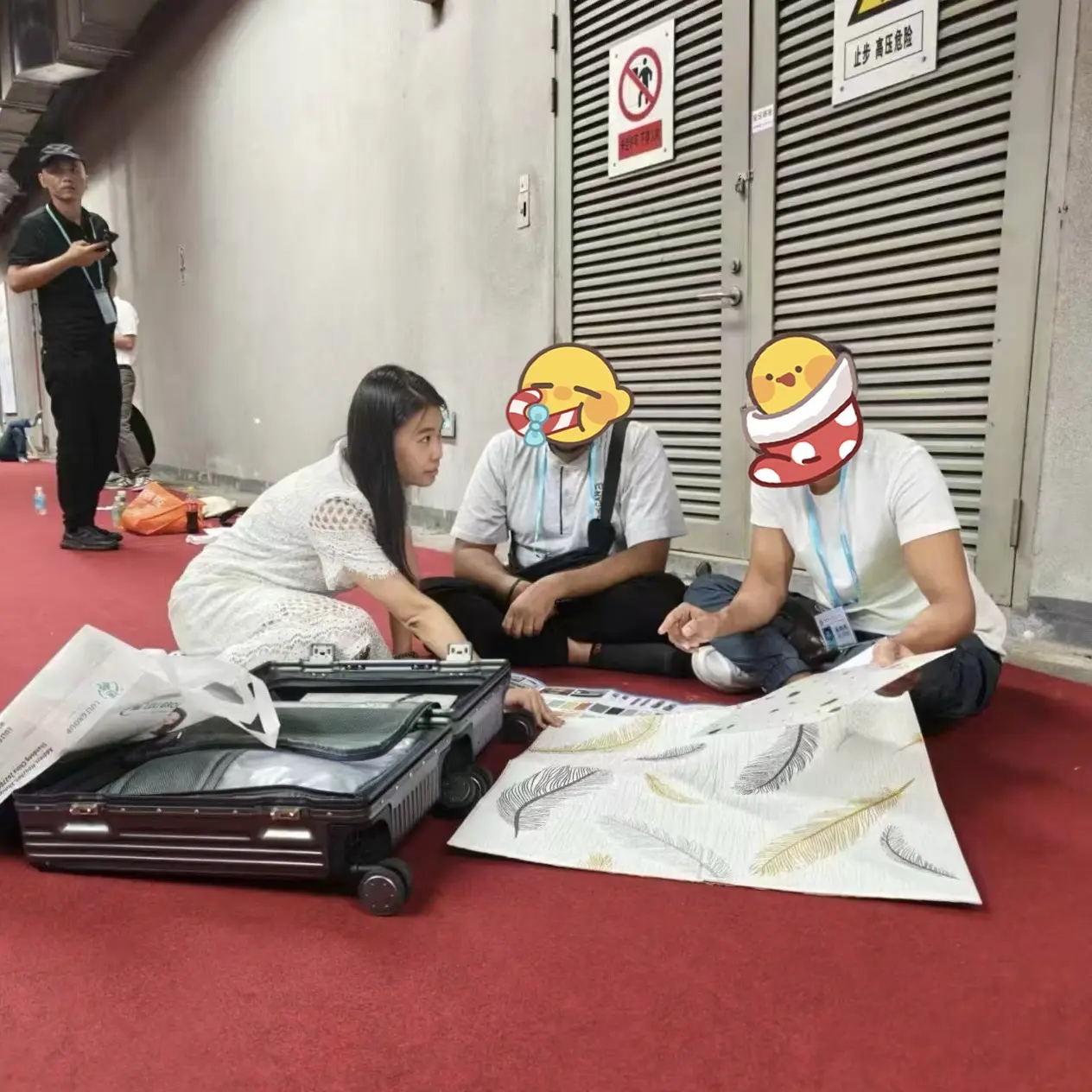
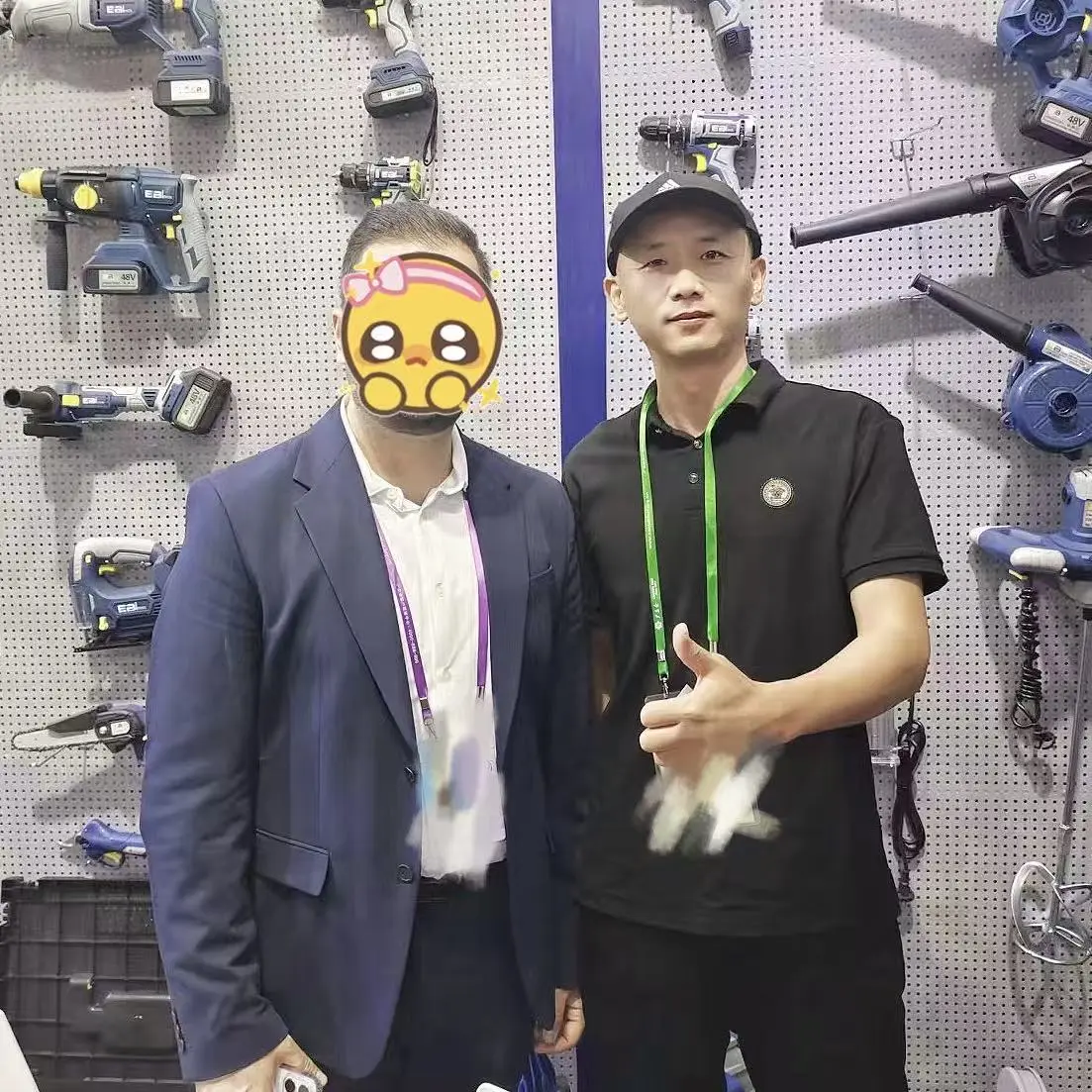
A look at our factory operations, customer visits, and loading bays.
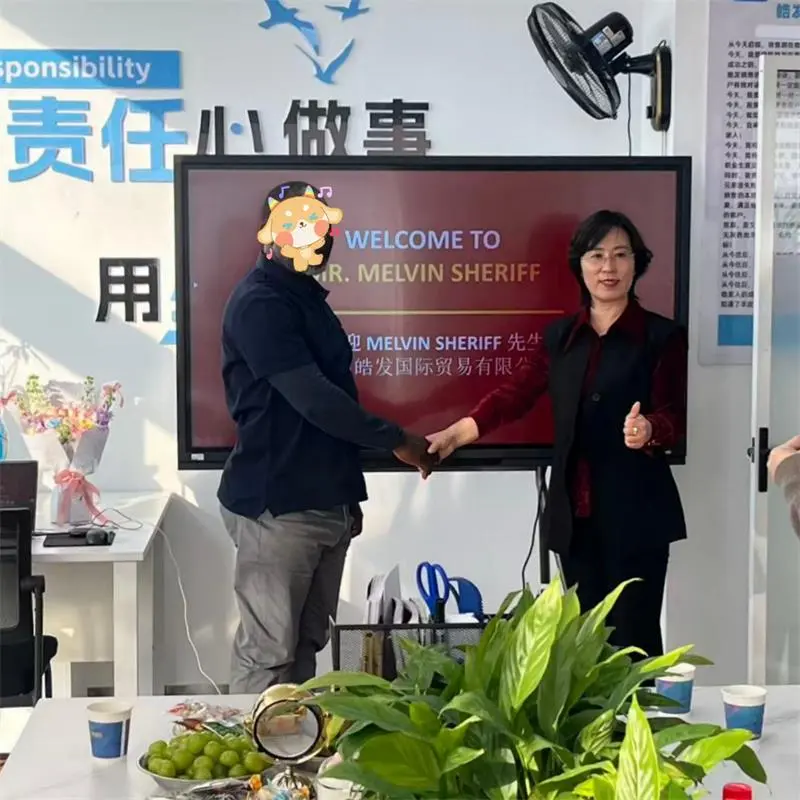



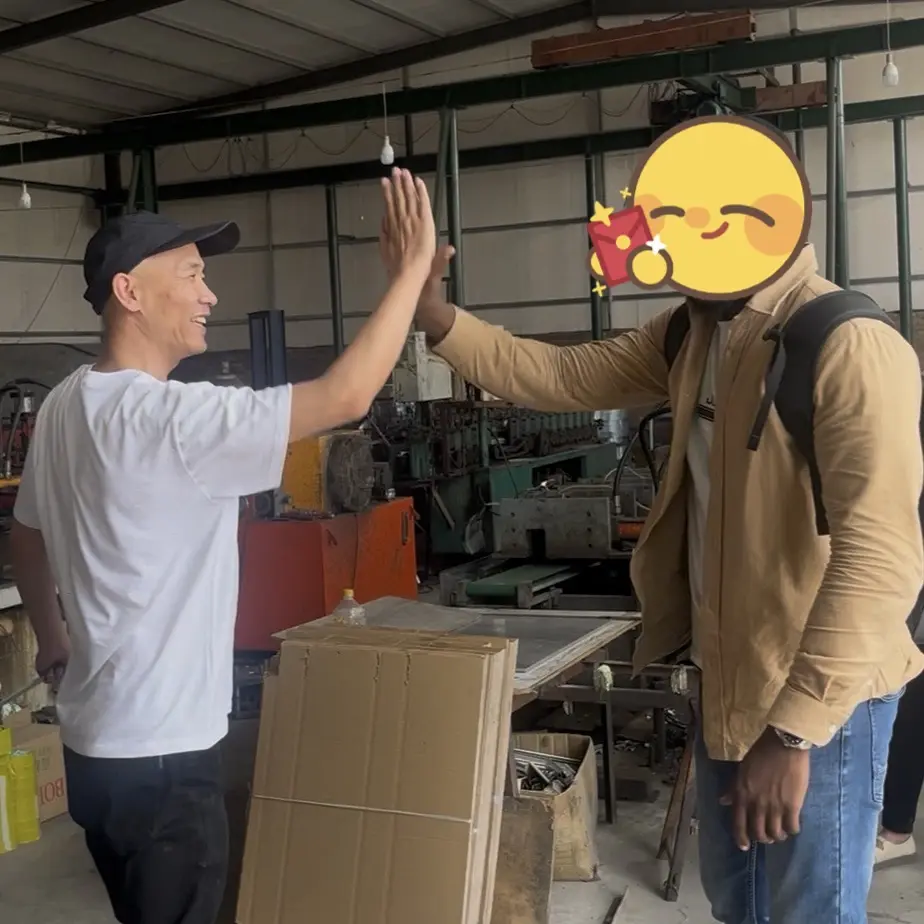

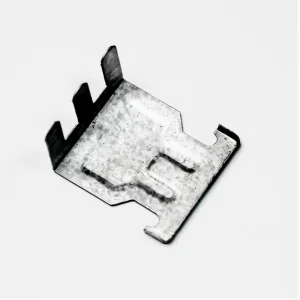
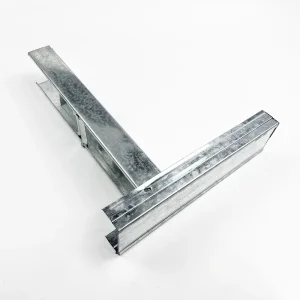
Expand your product lines with our high-demand dry construction components.
 Haofa
Haofa