Direct from our state-of-the-art Chinese manufacturing network. Engineered to meet EN, CE, and ASTM specifications.
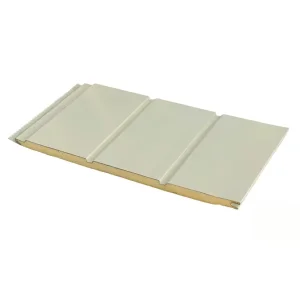
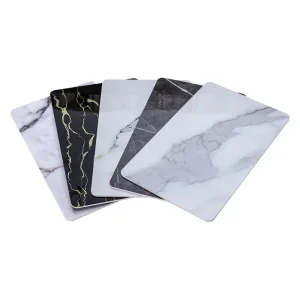
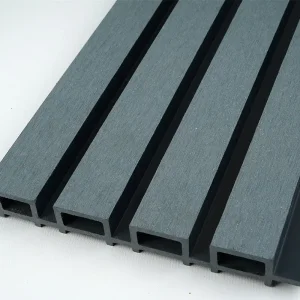
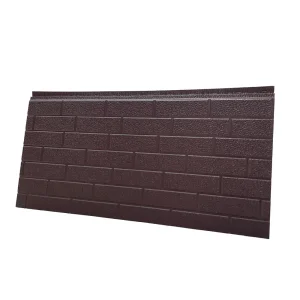
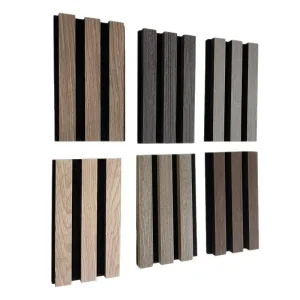
In modern architecture and interior design, managing environmental sound is no longer just a luxury—it is a critical engineering requirement. Recording studios, broadcasting booths, commercial conference centers, and high-traffic educational venues all demand precise control over sound wave behavior. To achieve this, builders rely on Studio Acoustic Panels. These specialized panels are engineered to absorb sound reflections, reduce mid-to-high frequency flutter echoes, and optimize sound pressure levels in enclosed environments.
"The core of modern architectural acoustics lies in managing the energy of sound. Effective acoustic design converts unwanted sound reflections into thermal energy, transforming noisy spaces into highly intelligible environments."
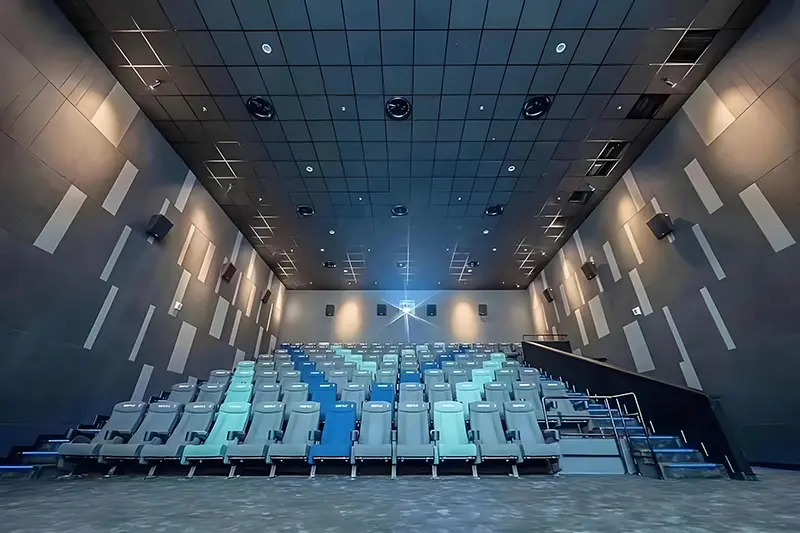
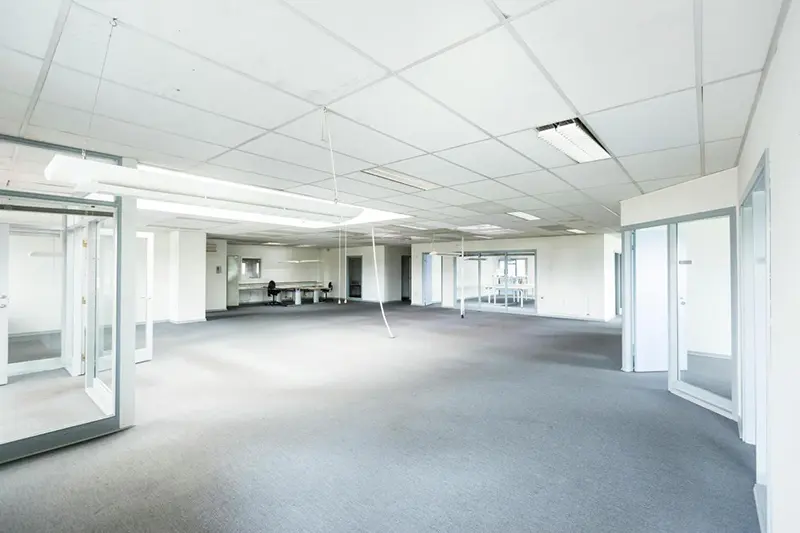
The global demand for high-performance acoustic materials is growing rapidly. This rise is driven by two main factors: the explosion of digital content creation (including home recording studios, podcast spaces, and streaming facilities) and the adoption of open-concept designs in commercial workspaces. Modern offices require modular, decorative, and highly efficient sound absorption systems to ensure privacy and focus. Additionally, public facilities like auditoriums, cinemas, and music halls must meet strict acoustic regulations to provide a high-quality listening experience.
Geographically, markets in North America, Western Europe, and parts of the Asia-Pacific region are leading this trend. However, importing and distributing these materials requires navigate a complex web of certifications. Enterprise buyers are no longer looking for simple foam products. Instead, they seek composite panels made from eco-friendly polyester fiber, grooved medium-density fiberboard (MDF), or mineral-fiber mixtures. These materials must meet strict local fire safety standards, such as Class A under ASTM E84, and dynamic acoustic standards like the ISO 354 reverberation testing.
When sourcing studio acoustic panels at a wholesale level, it is essential to understand the performance characteristics of different substrates. Below is a structural engineering comparison detailing how different core materials function in sound-dampening applications:
| Substrate Material | Typical Thickness (mm) | NRC (Noise Reduction Coeff.) | Primary Applications | Fire Rating Standards |
|---|---|---|---|---|
| High-Density MDF (Grooved/Perforated) | 12mm / 15mm / 18mm | 0.70 – 0.85 | Concert Halls, Professional Recording Studios, Conference Centers | Class B1 (EN 13501-1) |
| PET Polyester Fiber Panels | 9mm / 12mm | 0.80 – 0.90 | Modern Open Offices, Schools, Home Studios | Class B1 & ASTM E84 Class A |
| Mineral Wool Core (Fabric Wrapped) | 25mm / 50mm | 0.90 – 1.05 | High-End Recording Studios, Mechanical Equipment Rooms | Class A (Non-combustible) |
| WPC & Bamboo Fiber Grooved Panels | 15mm / 20mm | 0.65 – 0.80 | Hotel Lobbies, Commercial Passageways, Multi-purpose Rooms | Waterproof & Flame-Retardant |
For international buyers and distributors, partner choice is the single most critical factor in controlling procurement costs and ensuring product quality. China remains the global leader in acoustic panel manufacturing, offering significant advantages in manufacturing efficiency, materials processing, and supply chain integration:
Why commercial builders and overseas trading companies trust the Haofa manufacturing and trade network.
We prioritize our customer's commercial safety. Through strict raw material checks and structured quality control stages, we maintain a spotless delivery track record.
Our building systems and sound absorption sheets meet international standards, including CE, ASTM, RoHS, and EN certificates. This guarantees smooth customs clearance and regulatory compliance.
We offer flexible shipping terms including FOB, CIF, EXW, and DDP. Our experienced documentation team handles customs declarations, ocean booking, and bill of lading transfers.
Combining structural panels, hardware systems, and soundproofing layers to solve complex acoustic and building challenges.
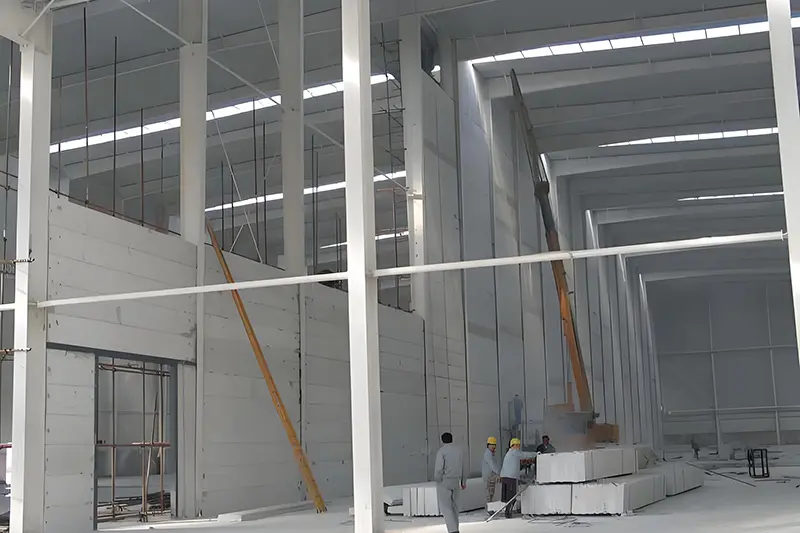
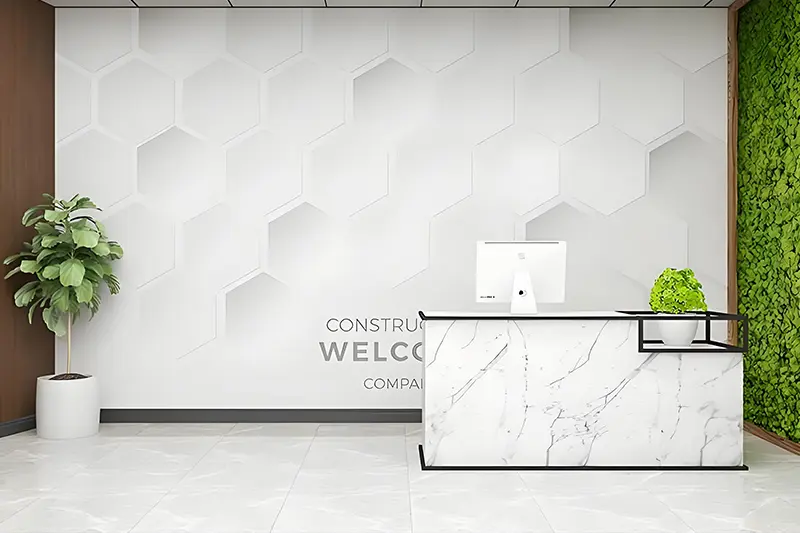
"Haofa" means a wide world with great potential.
For over 25 years, we have been deeply involved in the decoration and building materials industry. We provide a comprehensive range of wholesale building materials for commercial decoration and customized residential projects.
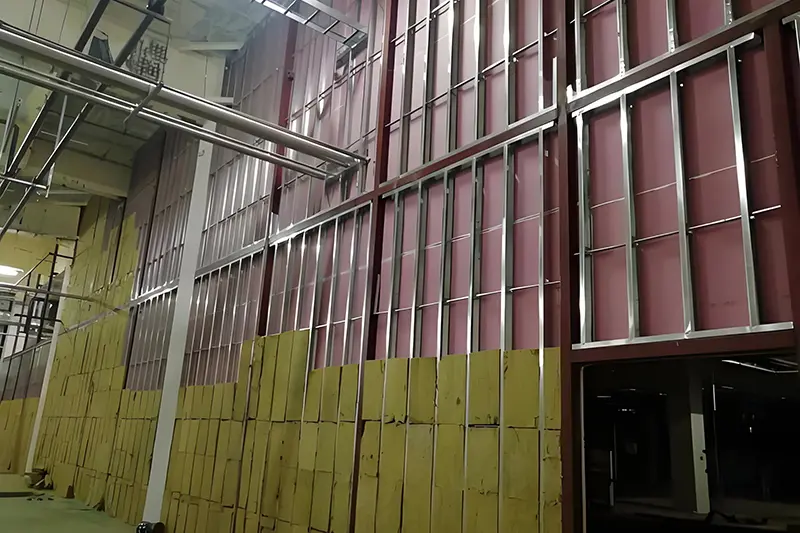
Our core services cover three major areas: wall systems, ceiling systems, and flooring systems. Our main products include light steel keels, gypsum boards, mineral wool boards, PVC wall panels, structural hardware, and customized furniture.
We work closely with hundreds of high-quality manufacturing facilities in China. Our network covers more than 20 cities, serving nearly 3,000 customers worldwide. By maintaining long-term partnerships with leading brands, we ensure our clients receive certified, high-performance materials.

Ms. Zhang Xuedong, our founder, brings decades of experience and deep industrial connections to the company. Our foreign trade team averages over 10 years of export experience. Organized into dedicated Operations, Purchasing, HR, and Sales departments, we ensure smooth and professional service for our global clients.
We are committed to integrating the world's best building materials and design resources. Our mission is to provide personalized structural and decorative solutions from industrial to residential applications.
We operate under a simple principle: "Once a deal, lifelong friends". We look forward to establishing long-term, stable partnerships with overseas customers to build a better future together.




Our structural materials and wall solutions carry verified safety credentials for seamless compliance worldwide.
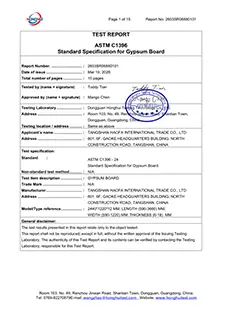
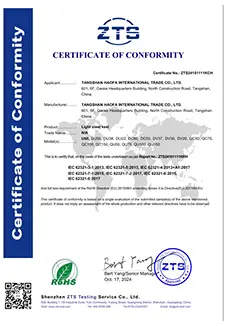
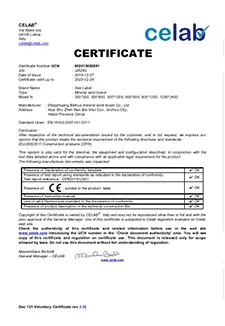

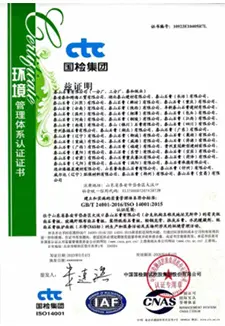
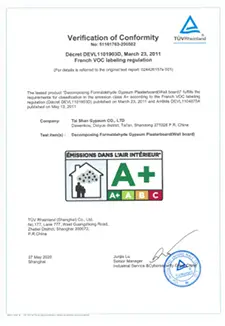
Our building materials have passed international certifications including CE, ASTM, RoHS and EN standards, as well as national & international environmental certifications, plus fireproof and moisture-proof industry certifications.
When procurement managers buy acoustic sheets in bulk, they must look beyond basic unit pricing. To optimize total cost of ownership (TCO) and ensure long-term performance, consider the following key factors:
In commercial builds, using unrated materials can lead to failed safety inspections and costly rebuilding work. Make sure to request full fire test reports, such as ASTM E84 (flame spread index < 25 for Class A classification) or BS EN 13501-1 (Euroclass B-s1, d0 for public building installations).
Since acoustic panels cover large surface areas inside offices and recording booths, indoor air quality (IAQ) is a key concern. Choose products with low-emission ratings, such as EN 717-1 E1 class or formaldehyde-free certifications. This is particularly important for school and hospital projects.
The sound absorption performance of acoustic panels is directly related to their core density. Lower density panels only absorb high frequencies, leaving mid-to-low range sound reflections unresolved. For balanced sound control in recording spaces, select polyester sheets with a density of at least 150 kg/m³, or MDF substrates with a core density of 720-800 kg/m³.
Acoustic panels can easily be damaged at their corners if not packed correctly. Choose manufacturers that use double-corrugated outer boxes, edge guards, and heat-shrunk plastic wrapping on reinforced wooden pallets. This keeps panels clean and undamaged during sea transit.
Expert insights on acoustic engineering, material specifications, and wholesale sourcing.
Expand your product catalog with our certified panels, flooring systems, and structural hardware accessories.
 Haofa
Haofa