 Haofa
Haofa
1 / 5
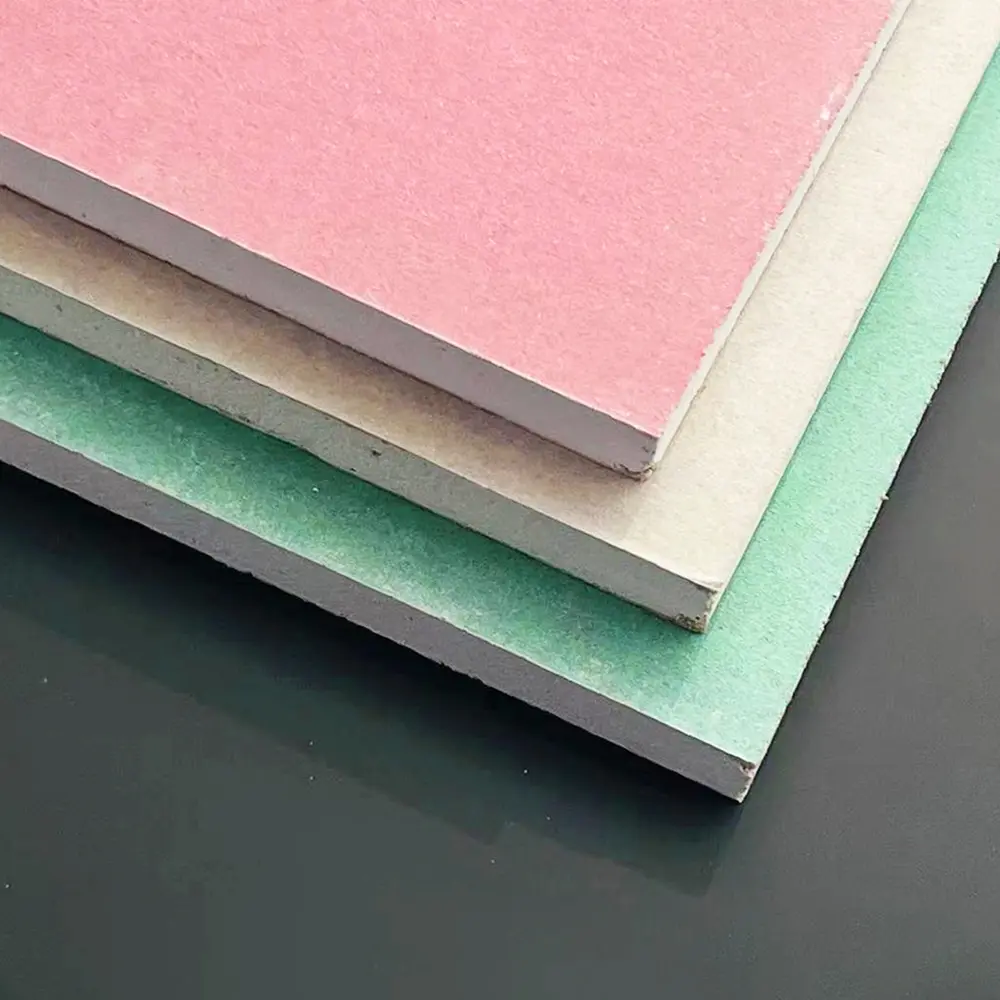
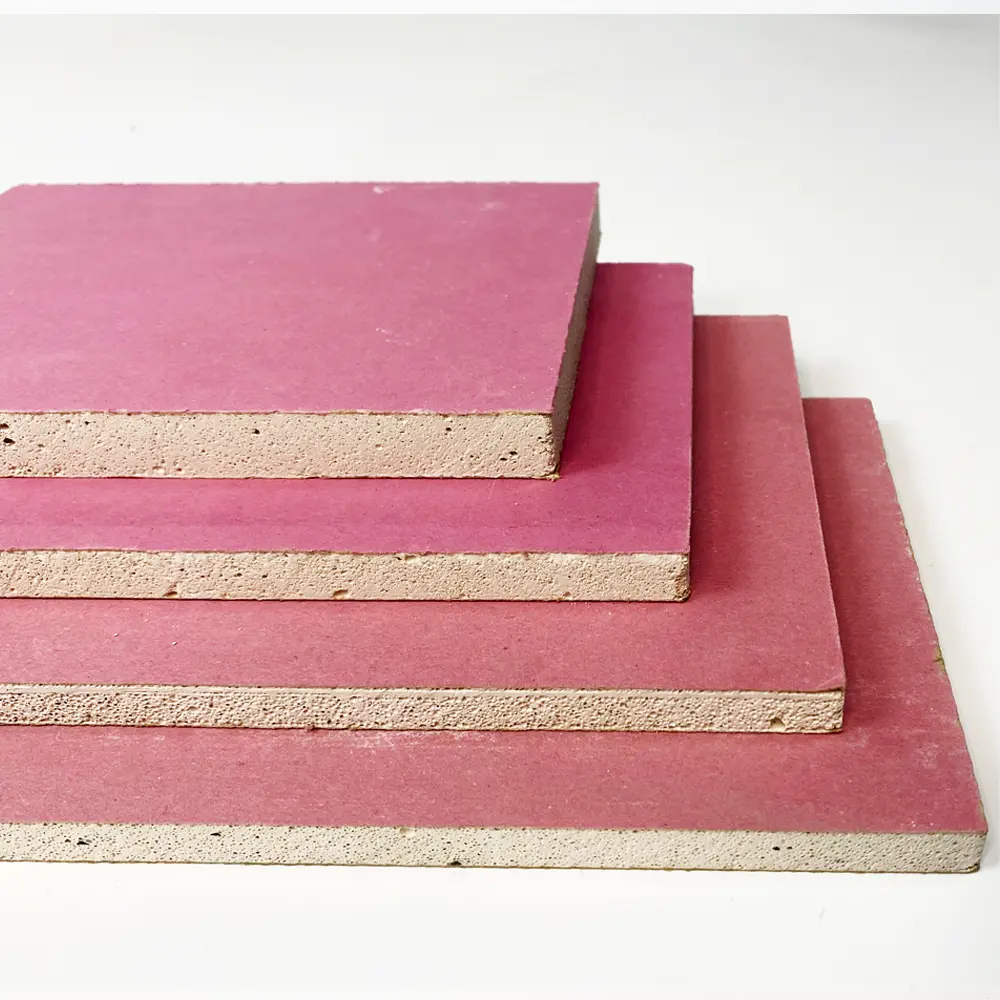
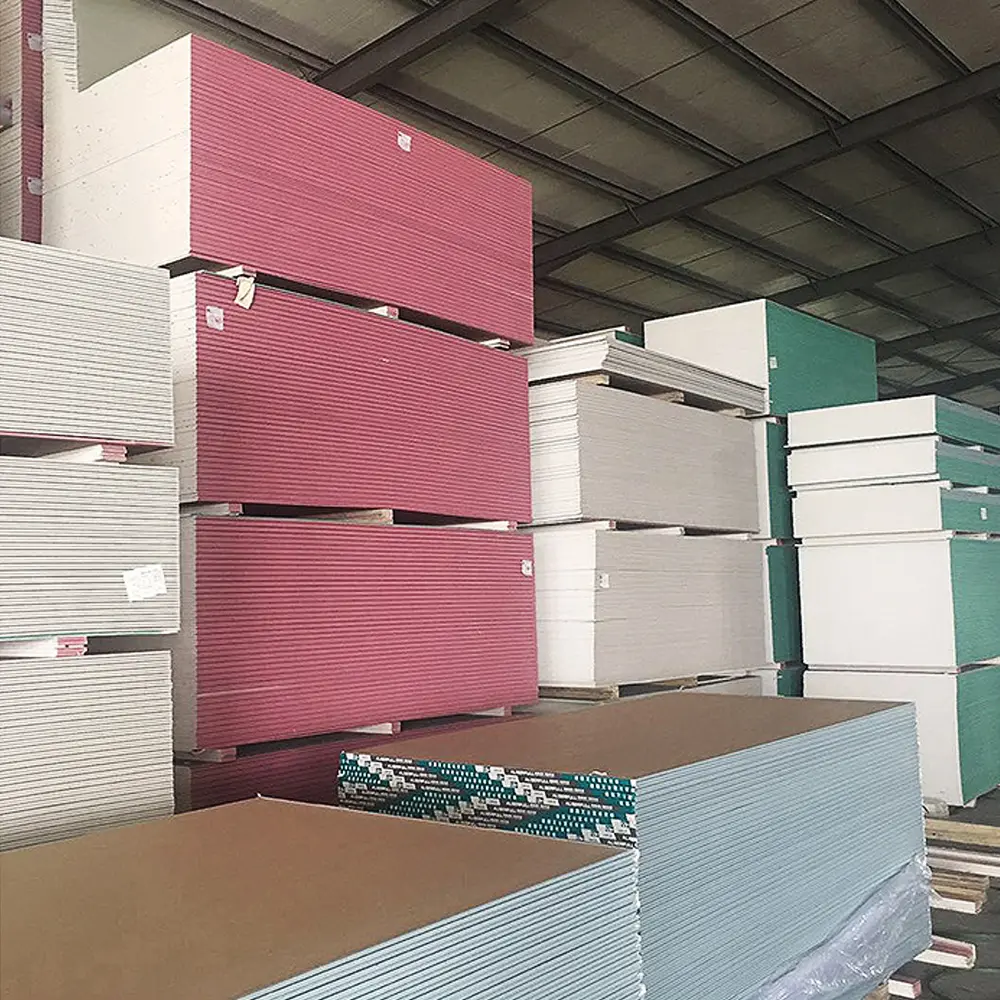
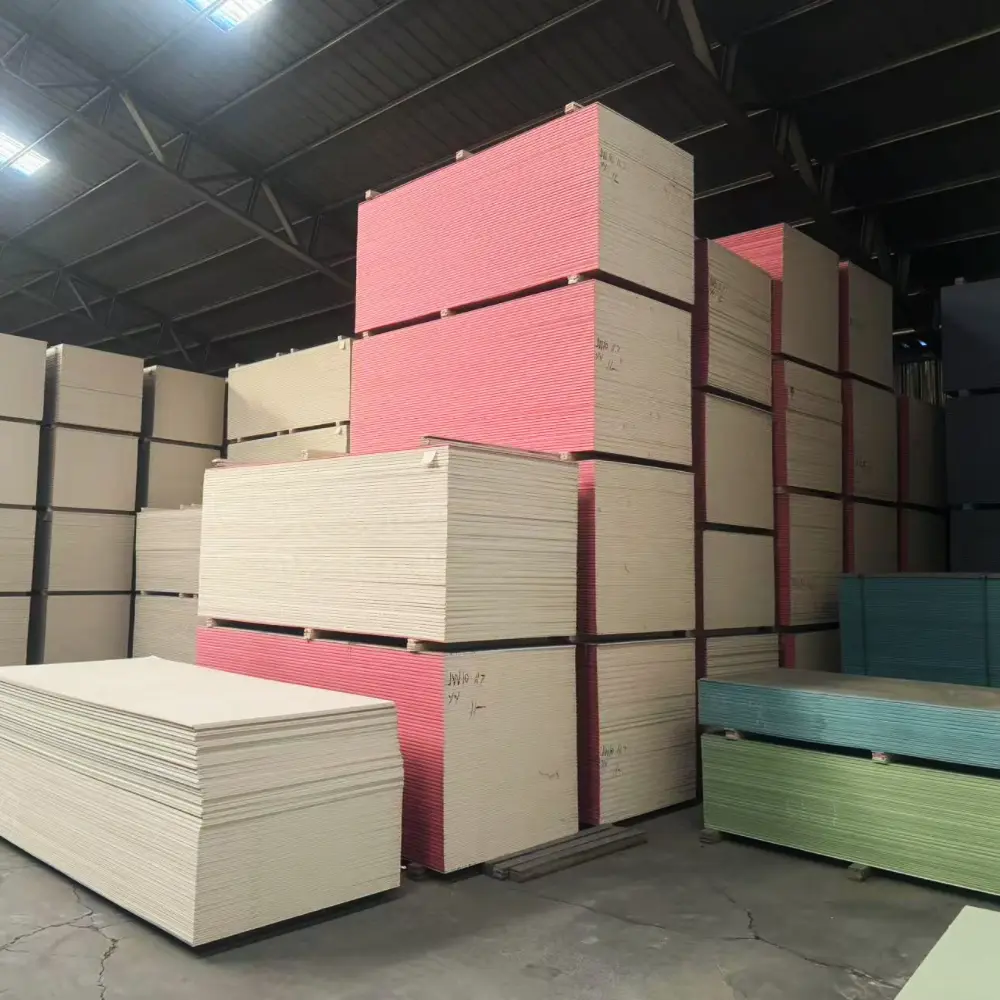
The production of gypsum board begins with mixing gypsum powder and water to create a slurry, which is then poured between two layers of specialized paper. The board is formed, dried in a kiln, and cut to precise dimensions. After cooling, it undergoes rigorous quality inspections for strength and finish. Finally, the boards are stacked, packaged, and prepared for distribution, ensuring a high-quality product for construction and interior applications.
Gypsum board is a versatile material widely used in construction and interior design. It is commonly applied in wall partitions, ceiling systems, and decorative elements for residential, commercial, and industrial spaces. Its fire-resistant, soundproofing, and moisture-resistant properties make it suitable for kitchens, bathrooms, and offices. Additionally, it can be used to create curved walls and custom designs, offering both functionality and aesthetic appeal in modern architecture.
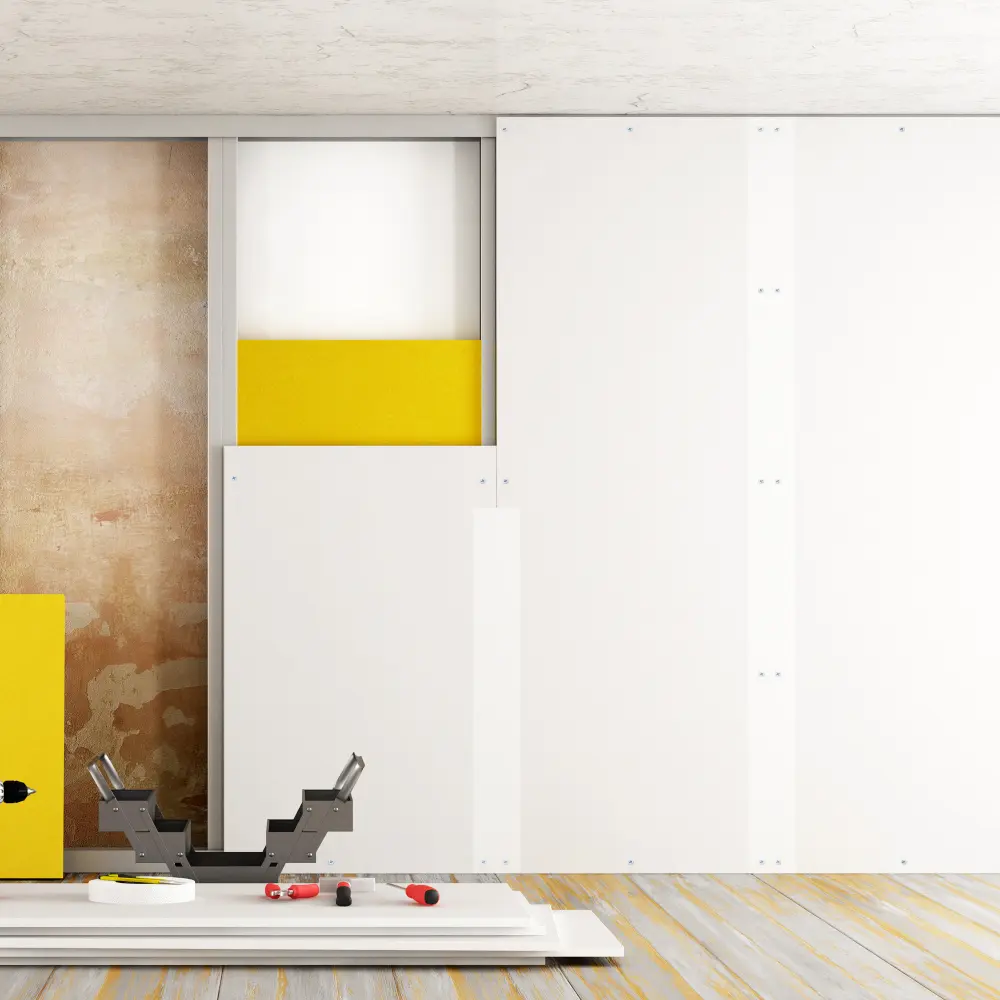
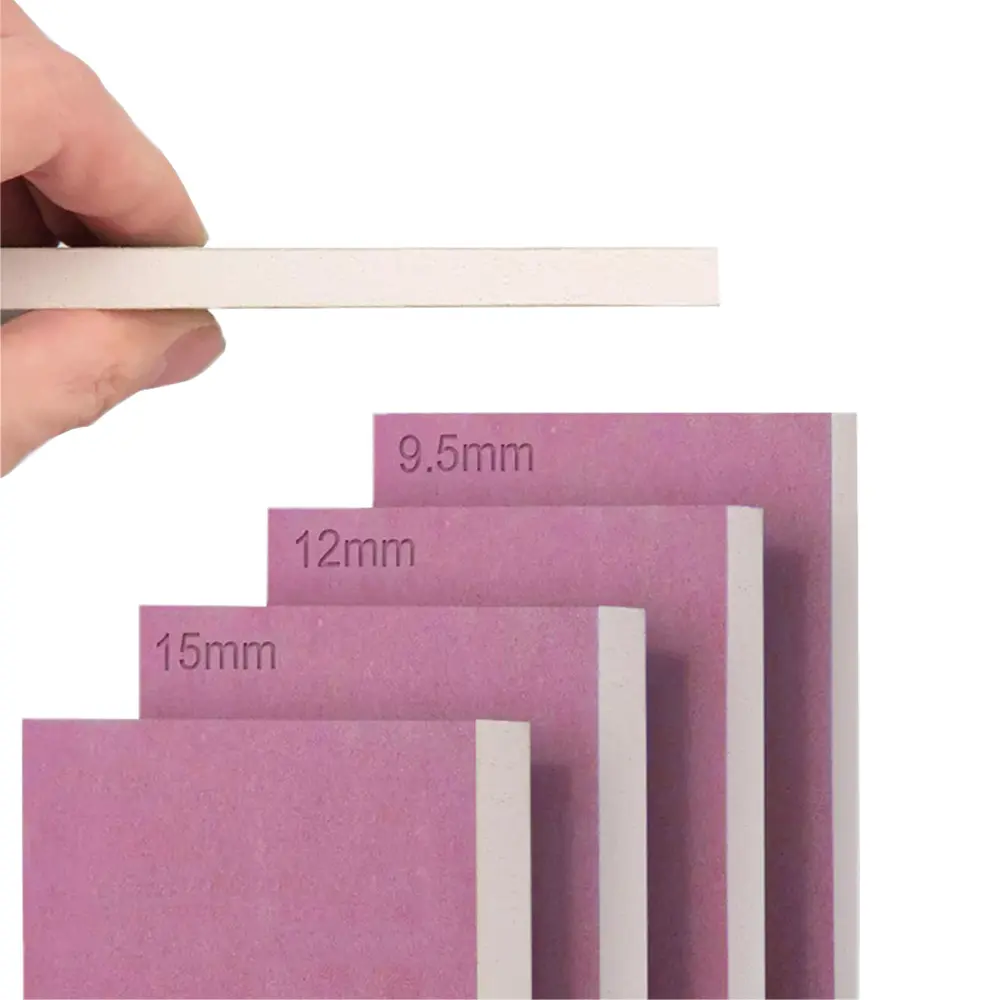
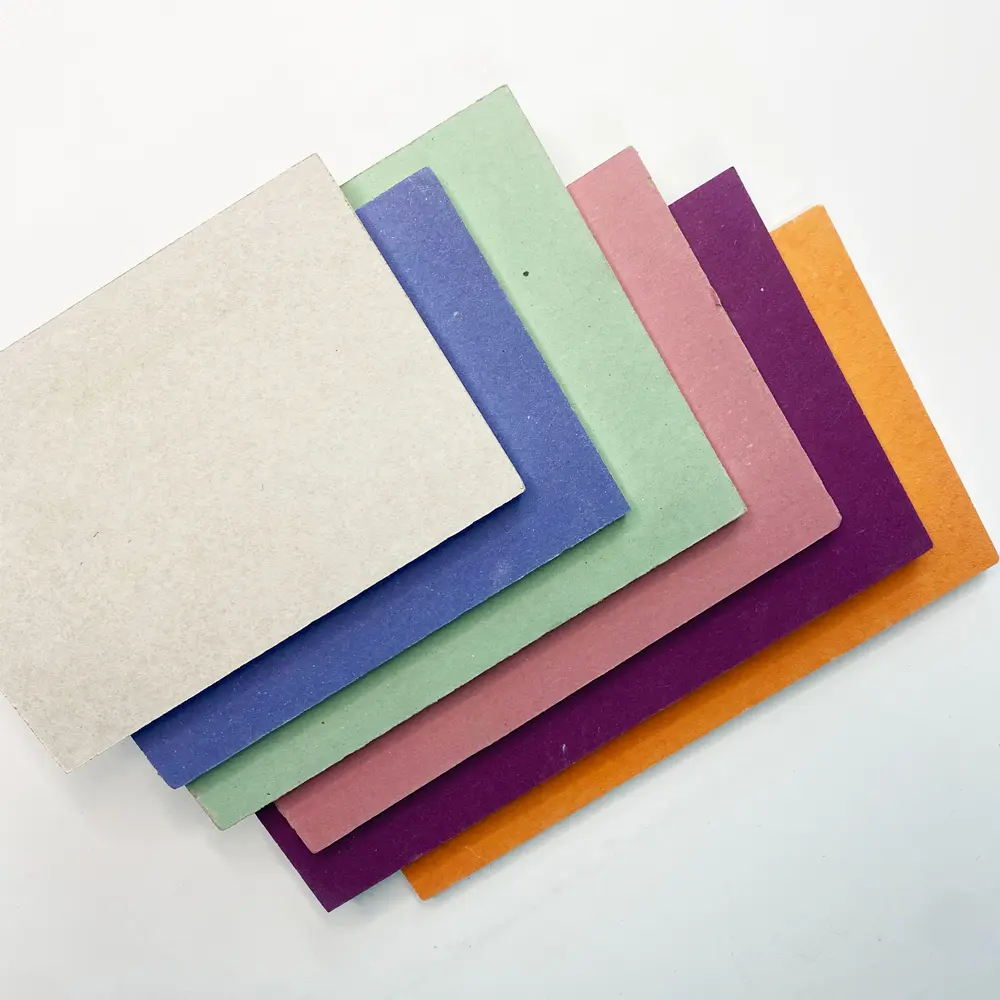
Gypsum board is a highly functional building material known for its fire resistance, sound insulation, and moisture resistance. It provides a smooth, even surface that is easy to paint or finish, making it ideal for walls and ceilings. Lightweight yet durable, it simplifies installation and reduces construction time. Additionally, gypsum board helps regulate indoor humidity, improving air quality and comfort. Its versatility allows for use in residential, commercial, and industrial projects, offering both aesthetic appeal and structural reliability. With its eco-friendly properties, gypsum board is a sustainable choice for modern construction needs.
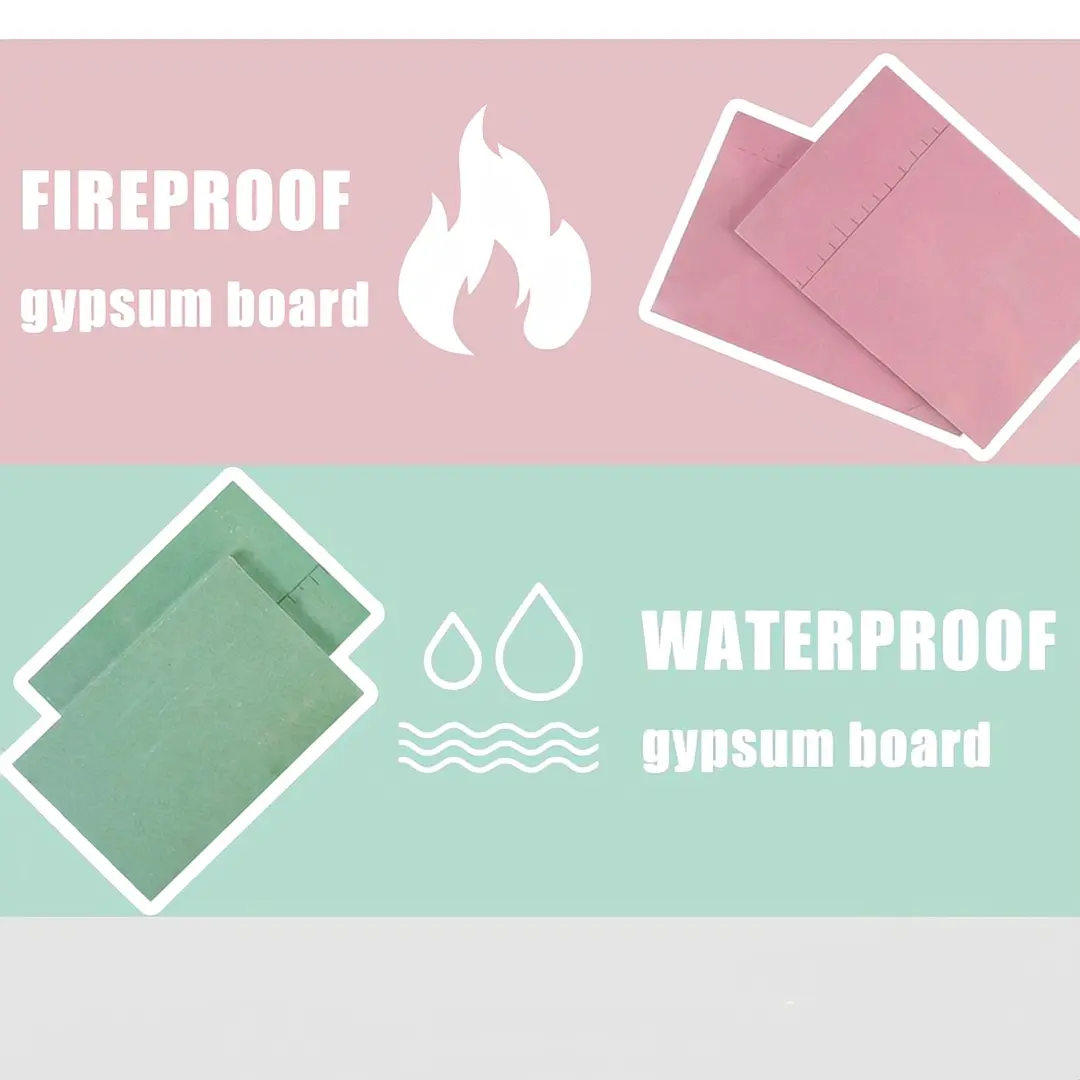
Gypsum board is primarily used for interior walls, ceilings, partition systems, and structural column covers in residential, commercial, and industrial buildings.
Gypsum contains chemically combined water (about 21% by weight). When exposed to high heat, this water is slowly released as steam, effectively retarding heat transmission and providing excellent fire barrier properties.
Yes, specialized moisture-resistant gypsum boards (often green boards) are specifically designed with water-resistant cores and paper surfaces to handle high humidity zones like bathrooms and kitchens.
Gypsum board acts as an effective mass barrier that reduces airborne sound transmission, especially when constructed in multi-layer configurations or paired with acoustic insulation cavities.
Yes, gypsum board is a sustainable option because gypsum is a naturally occurring mineral, often processed using recyclable paper liners and manufactured with energy-efficient drying systems.