 Haofa
Haofa
1 / 5
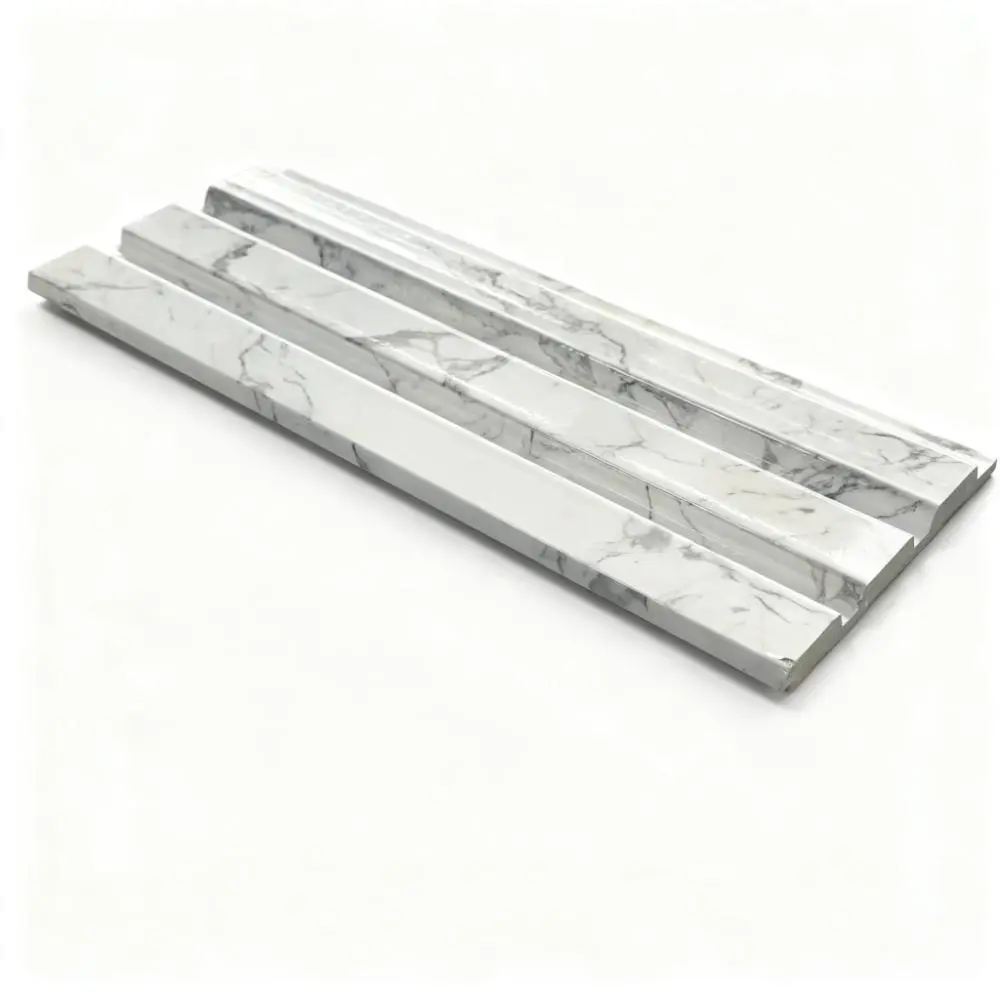
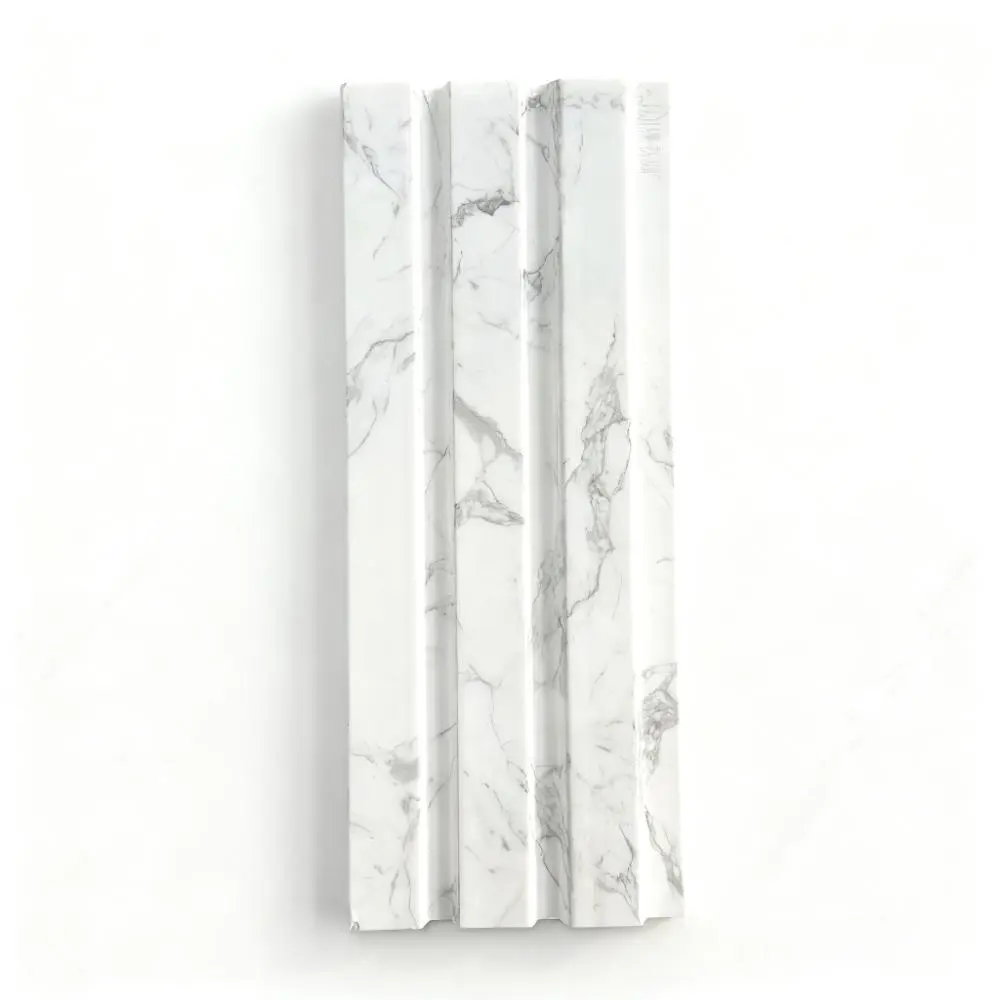
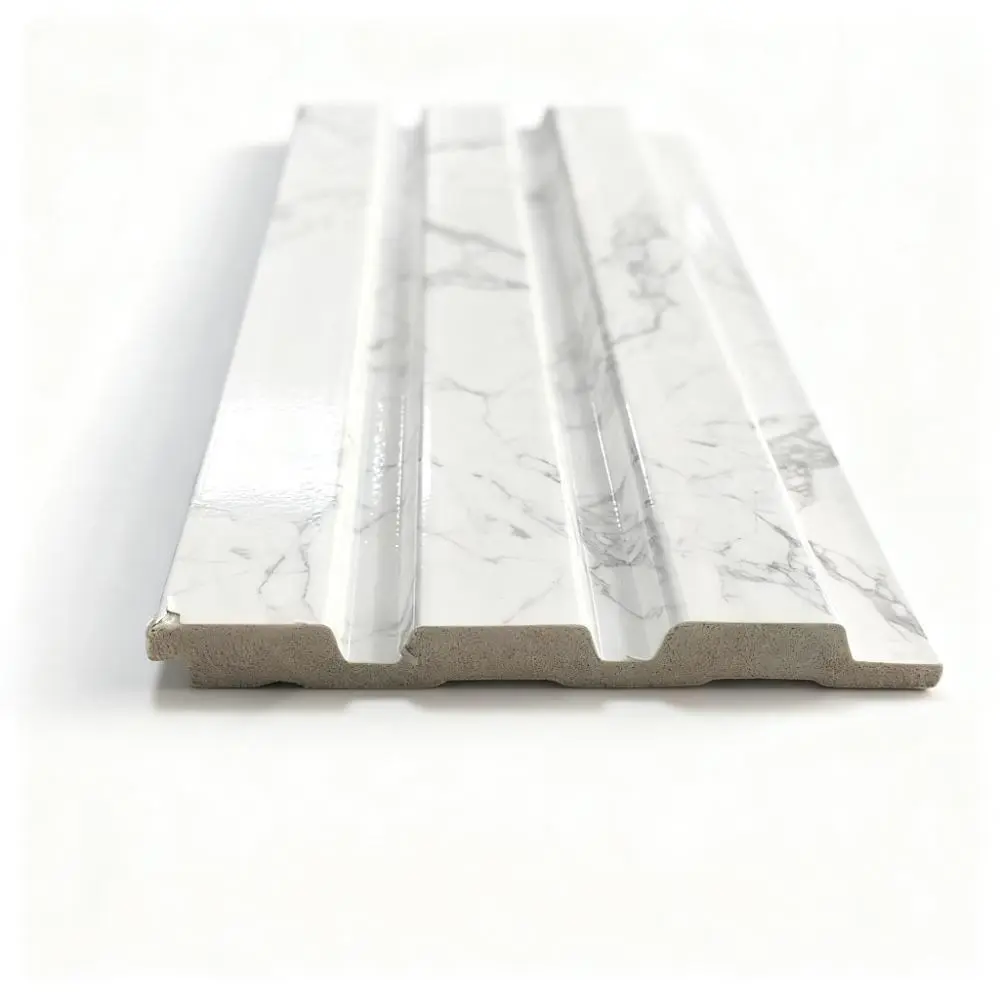
The core of our WPC wall panel production is "wood-plastic composite modification + precision extrusion molding", and the entire process takes into account both environmental protection and performance. The first step is to refine the raw materials. Dry the pine/poplar powder to a moisture content of ≤3% and remove impurities. Then mix it with recycled PP/PE plastic and formaldehyde-free environmentally friendly additives in proportion. After high-speed stirring, a uniform base material is formed to ensure that the wall panel is odorless and resistant to deformation.
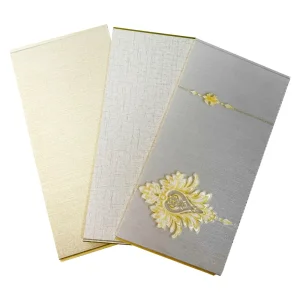
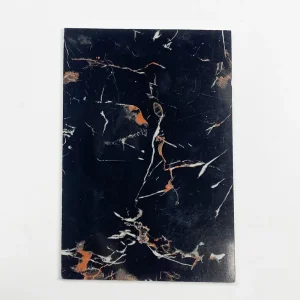
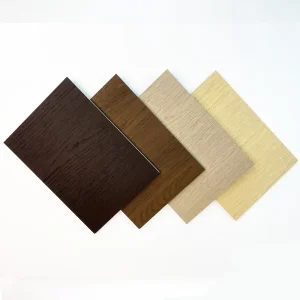
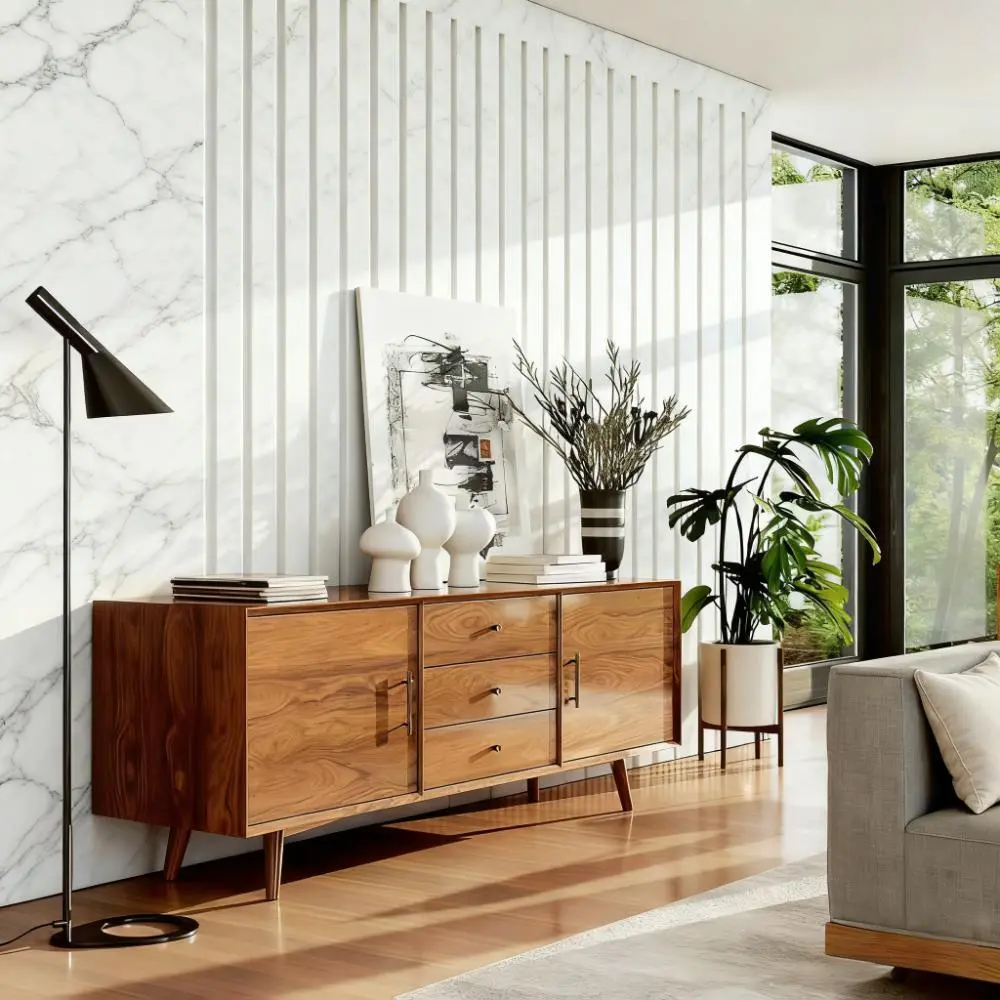
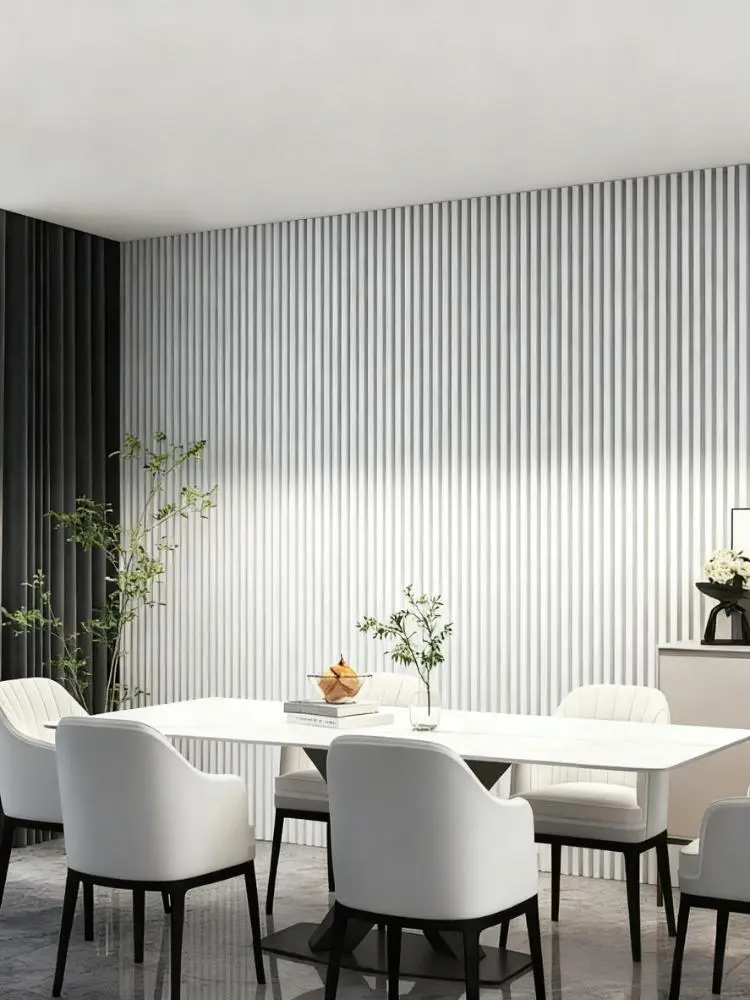
The second step involves high-temperature melting and plasticizing through a twin-screw extruder. The base material is then pressed into a custom mold at 200-220℃, precisely shaping it into a hollow/solid structure with a dimensional error controlled within ±0.1mm. Finally, surface reinforcement is carried out by using UV lamination or heat transfer printing processes to give the wall panels a wood grain/stone grain texture, while enhancing their wear resistance and stain resistance. The entire process is free of paint spraying, making it more environmentally friendly. During production, the density and flexural strength of the wall panels will also be tested online to ensure that each batch of products meets the standards.
| Comparison Dimension | Advantages of Our WPC Wall Panels | Common Situation of Competitors |
|---|---|---|
| Raw Material Formula | Adopt food-grade recycled PP/PE materials + imported pine wood powder (moisture content ≤ 3%), add glass fiber reinforced layer and food-grade formaldehyde-free additives, improving the base material toughness by 40% | Mostly use ordinary PP materials + mixed wood powder (moisture content often ≥ 5%), with industrial-grade additives, some releasing trace formaldehyde |
| Production Process | Twin-screw extrusion (precise temperature control at 200-220℃) + online real-time density/bending resistance testing; dimensional error ±0.1mm, defective rate ≤ 0.5% | Mostly single-screw extrusion; temperature control accuracy ±5℃, manual sampling inspection; dimensional error ±0.3mm, defective rate ≥ 2% |
| Water & Moisture Resistance | Water absorption rate ≤ 0.3%, no swelling or deformation after 24-hour immersion, suitable for bathrooms/outdoor scenarios | Water absorption rate generally ≥ 1.5%, prone to bulging and mildew in long-term humid environments |
| Wear & Scratch Resistance | Surface UV coating thickness up to 0.3mm, wear resistance ≥ 8,000 revolutions, scratch resistance ≥ 3H | Coating thickness mostly 0.1-0.2mm, wear resistance 4,000-6,000 revolutions, scratch resistance ≤ 2H |
| Environmental Certifications | Certified by GB 18583-2008 (China National Standard), EU CE, and US FSC simultaneously, exportable to European and American markets directly | Mostly only certified by basic national standards; some lack export compliance certifications, limiting access to overseas markets |
| Installation Efficiency | Snap-fit splicing + direct installation on old walls (no leveling required); single-person daily installation capacity ≥ 30㎡, saving 30% of construction time | Mostly require wall leveling, splicing dependent on glue; single-person daily installation capacity 15-20㎡, longer construction cycles |
| After-sales Support | Provide 5-year warranty (covering deformation and fading issues), free installation technical guidance and urgent replenishment service | Generally 1-2 year warranty (only covering cracking issues), technical support requiring additional fees |