 Haofa
Haofa
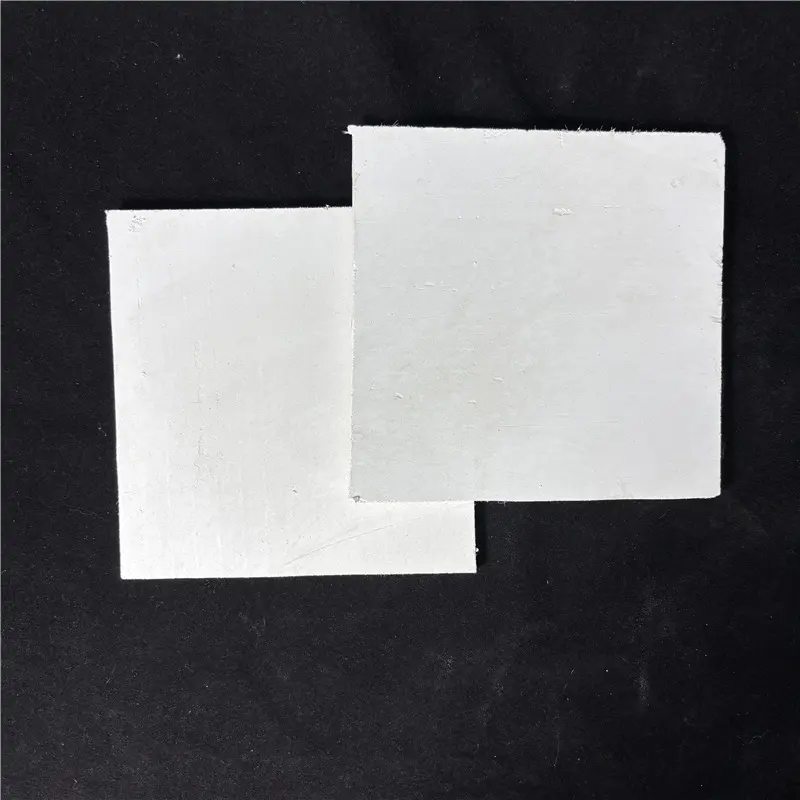
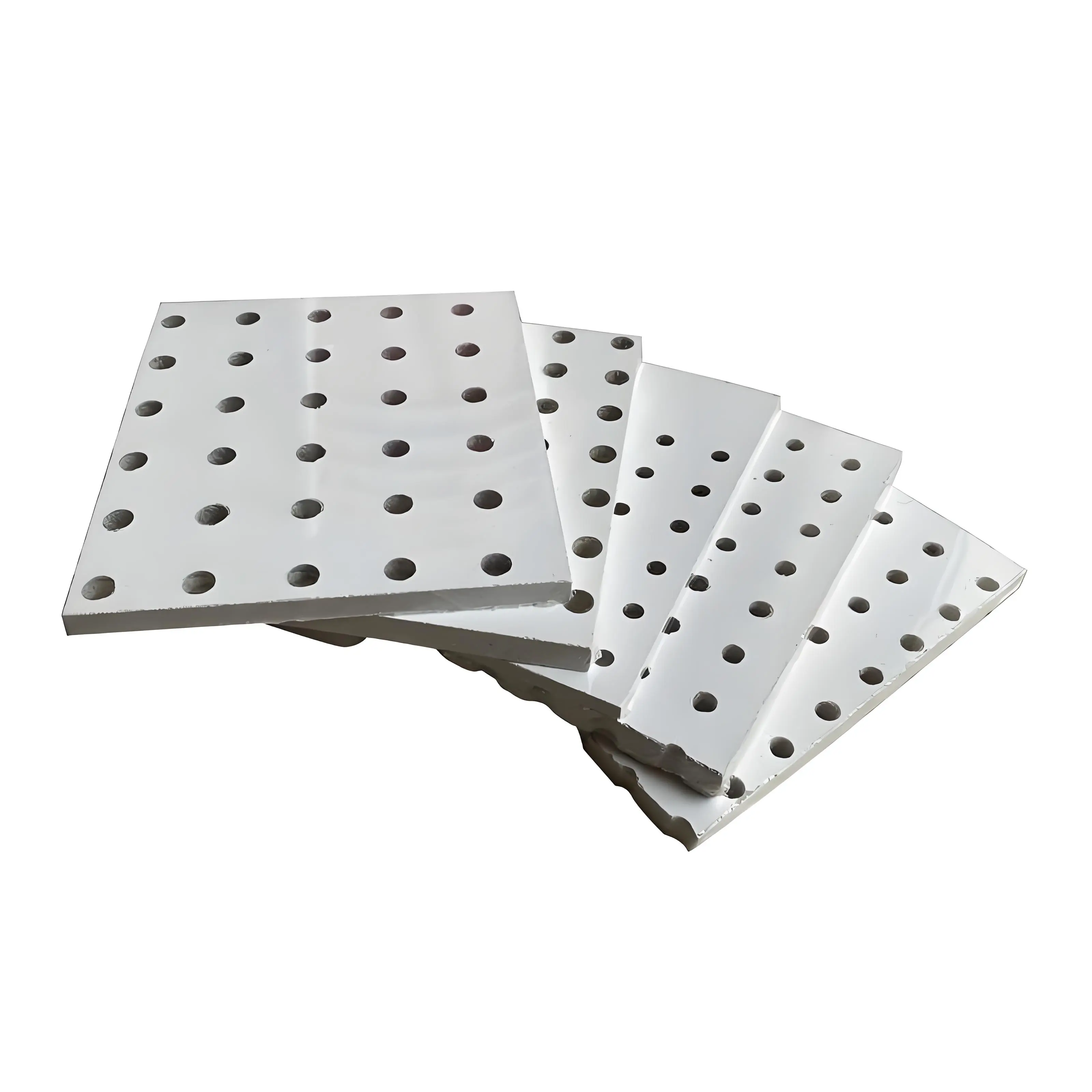
1 / 4
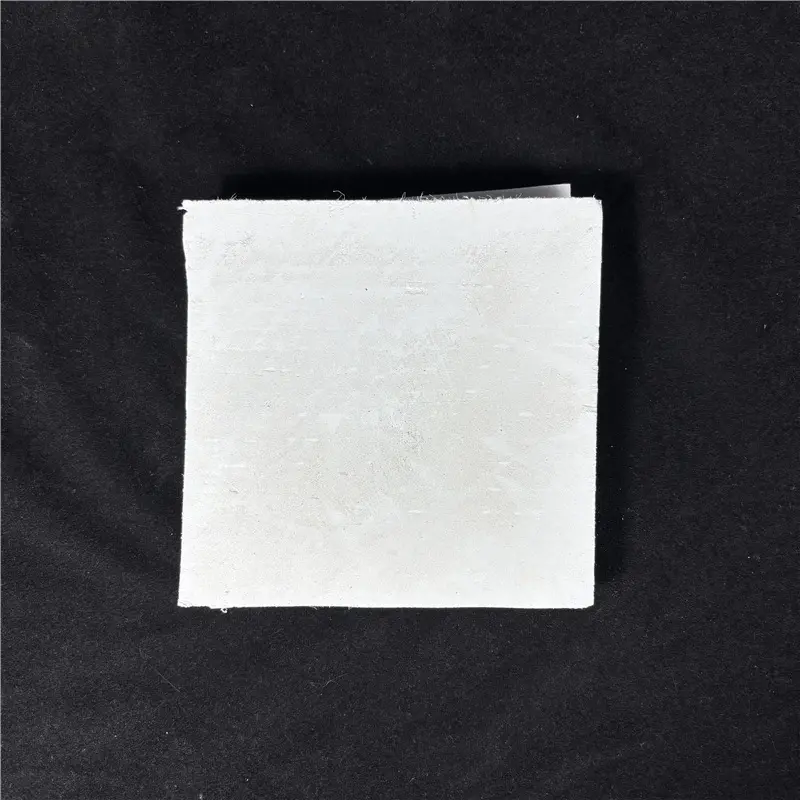
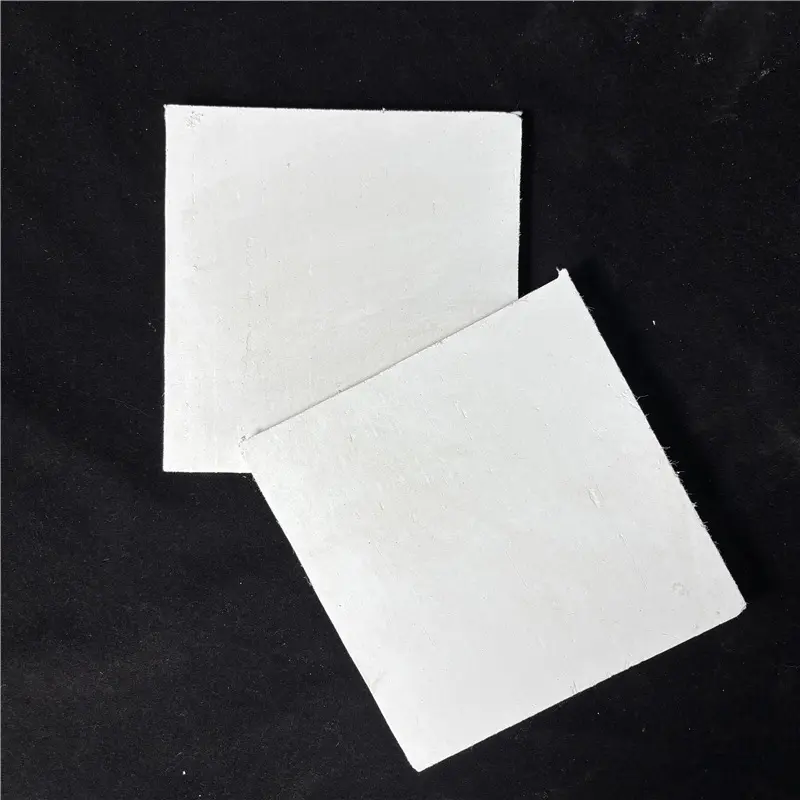
Calcium silicate board is a non-combustible material with a Class A1 fire rating. In the event of a fire, it will neither burn nor release toxic smoke.
It performs exceptionally well in high-humidity areas such as bathrooms and restrooms, maintaining stable performance without swelling or deformation.
A 6mm thick calcium silicate board is significantly stronger than a 9.5mm standard gypsum board. Walls made from calcium silicate boards are solid, reliable, and resistant to damage or cracking.
Produced under strict quality control with an advanced formula, calcium silicate boards maintain ideal expansion and shrinkage rates under changing moisture conditions.
With excellent thermal insulation properties, a 10mm calcium silicate partition outperforms ordinary brick walls in heat retention. It also provides effective sound insulation.
The board is stable in performance, resistant to acid, alkali, moisture, mold, and insect damage, ensuring a long and reliable service life.
There are several production methods for calcium silicate boards, including molding, slurry flow-on, and papermaking processes.
The most commonly used method is the extrusion process. In this method, raw materials are fully mixed and matured according to the designed formulation, then shaped through a roller press extrusion, followed by high-temperature curing and setting.
The standard board dimensions are 2440 mm in length and 1220 mm in width, with commonly used thicknesses ranging from 4 mm to 30 mm.
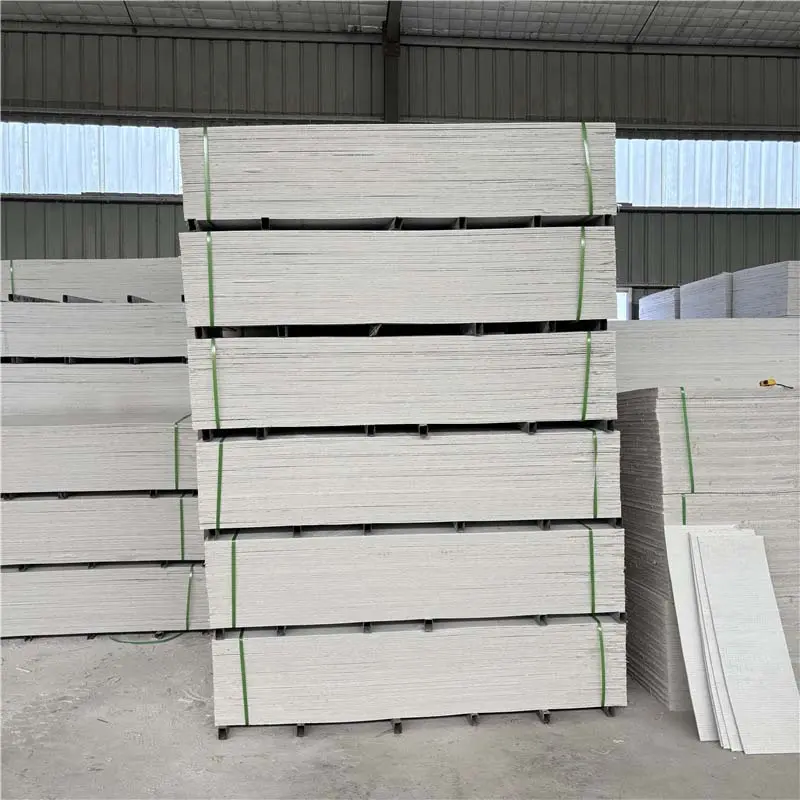
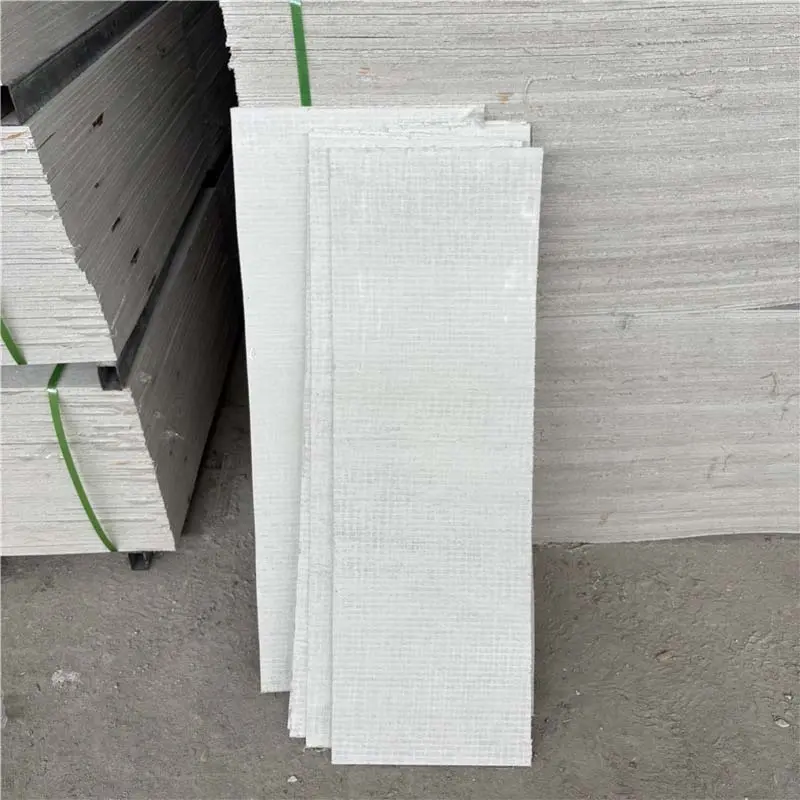
Calcium silicate board is a type of board made from loose short fibers such as inorganic mineral fibers or cellulose fibers as reinforcement materials, with siliceous and calcareous compounds as the main cementing agents.
The production process involves pulping, forming, and accelerated curing under high-temperature, high-pressure saturated steam, during which a calcium silicate hydrate gel is formed, giving the board its structural integrity.
This board is a high-performance, new-generation building and industrial material, offering excellent properties such as fire resistance, moisture resistance, sound insulation, insect resistance, and long-term durability. It is an ideal choice for ceiling systems and partition walls in both residential and commercial applications.
Calcium silicate board has a Class A1 fire rating. It is non-combustible, meaning it will not burn or release toxic smoke in the event of a fire.
Yes, they offer excellent water resistance. They maintain stable performance without swelling or deforming, making them ideal for high-humidity environments like bathrooms and restrooms.
The standard board size is 2440 mm in length and 1220 mm in width, with thicknesses typically ranging from 4 mm to 30 mm depending on your application needs.
It offers significantly higher strength. For example, a 6mm thick calcium silicate board is stronger than a standard 9.5mm gypsum board, providing a more solid, impact-resistant, and crack-free wall surface.
It is manufactured using loose short fibers (such as inorganic mineral or cellulose fibers) for reinforcement, combined with siliceous and calcareous compounds as the primary cementing agents.
Yes. A 10mm partition wall made of calcium silicate board delivers better thermal insulation than standard brick walls, while also providing effective sound dampening for acoustic control.