The paradigm shift in modern commercial and residential construction toward sustainable, highly durable materials.
Wood-Plastic Composite (WPC) cladding has emerged as the premier structural design option for architects and engineering procurement executives worldwide. Consisting of a synthesized matrix of natural wood fibers and polymers, WPC offers the organic warmth of traditional timber paired with the structural longevity and performance of high-density thermoplastics. As global construction codes transition to prioritize sustainable environmental, social, and governance (ESG) compliance, traditional timber cladding systems are increasingly being phased out due to their vulnerability to humidity degradation, termite invasion, and high maintenance costs.
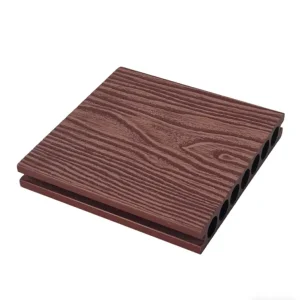
Today's international building material supply networks require high-precision manufacturing, optimized logistics, and rigorous standards compliance. WPC wall panels represent a major advancement in building science. They utilize premium co-extrusion technology, where an outer protective shield surrounds the core composite matrix, providing superior UV stabilization and water resistance. Consequently, global demand is surging across Europe, North America, the Middle East, and Southeast Asia.
Explore our curated selection of architectural structural panels, hardware support networks, and interior solutions.
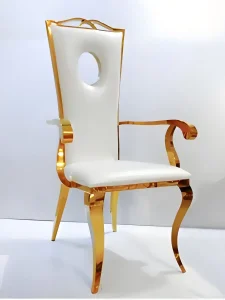
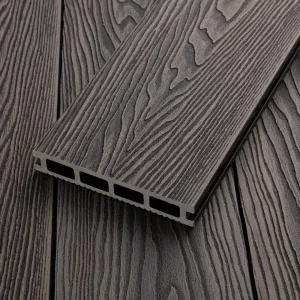
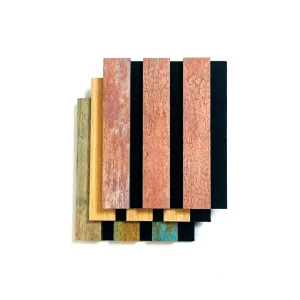
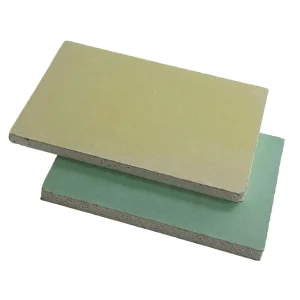
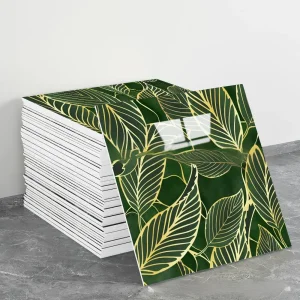

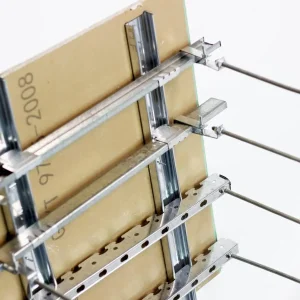
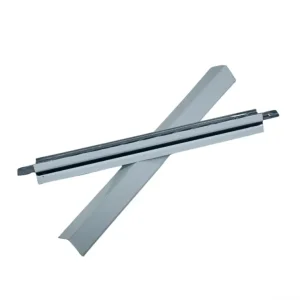
Tangshan Haofa International Trade Co., Ltd. sits at the heart of China's most robust steel and building material industrial cluster. Over the last 25 years, our collaborative manufacturing plants have refined their extrusion lines using twin-screw technology and computer-controlled cooling networks. This ensures that every WPC wall panel is produced with consistent density, precise tongue-and-groove alignments, and uniform color distributions.
Through our supply chain network covering more than 20 cities and partnering with hundreds of local factories, we achieve rapid raw material sourcing and scale efficiency. We pass these cost savings directly to our global partners. By choosing Haofa, companies avoid quality variations and logistics delays, gaining a dependable partner committed to high production standards and on-time delivery.
High-performance material systems designed to address complex fire safety, acoustic isolation, and architectural requirements.
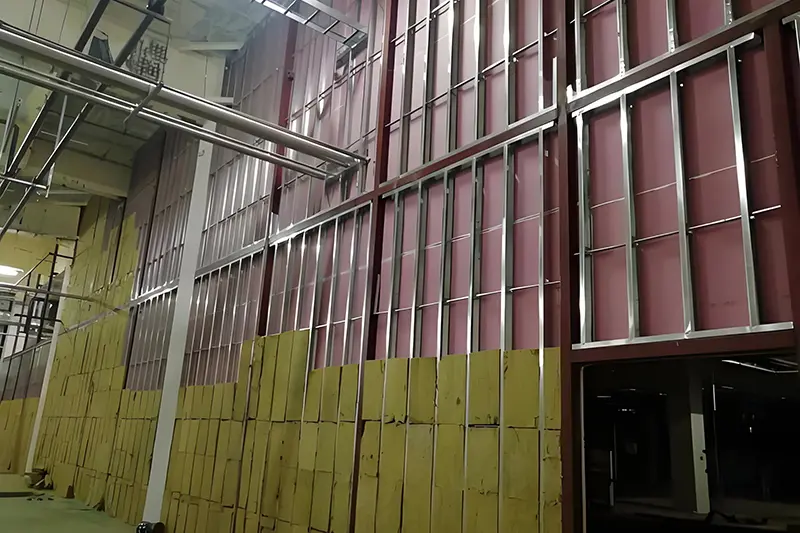
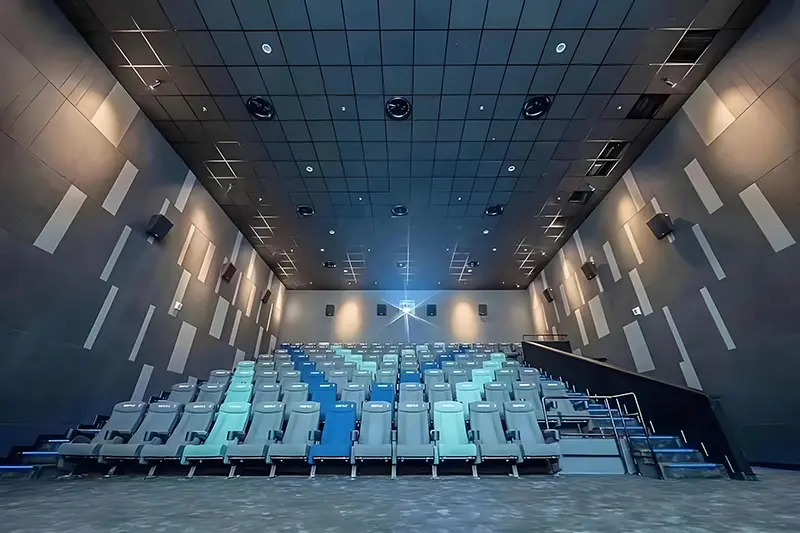
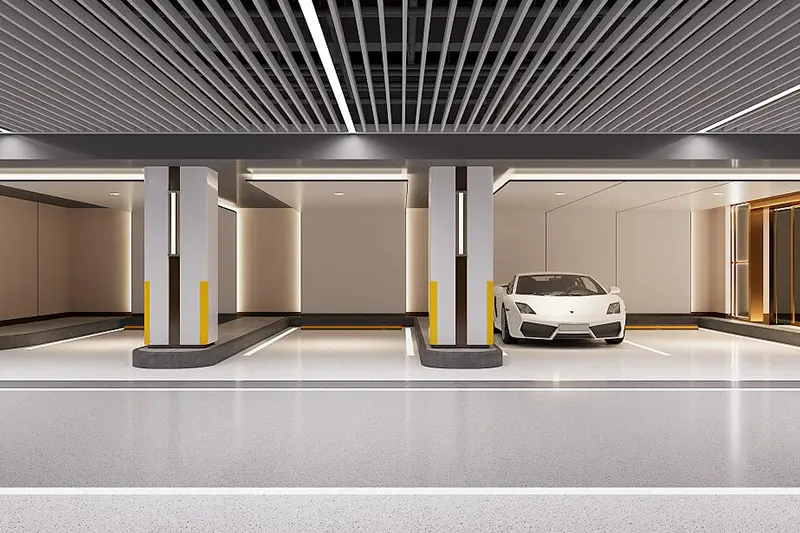
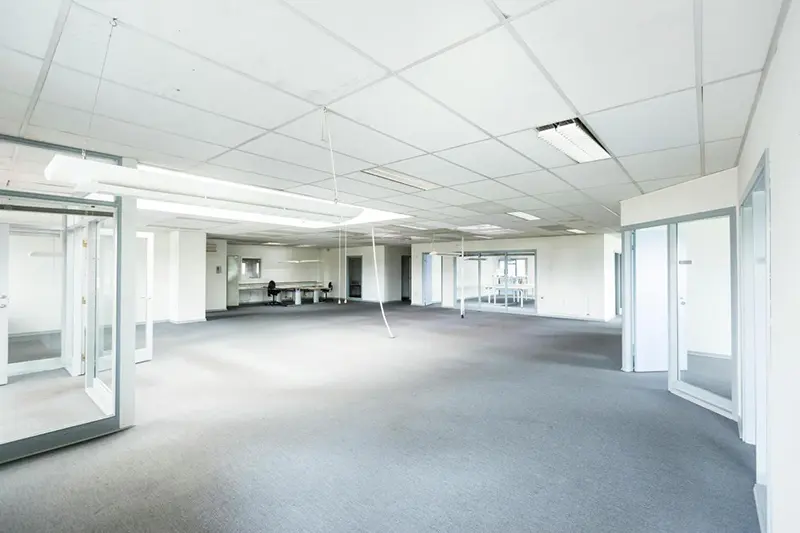
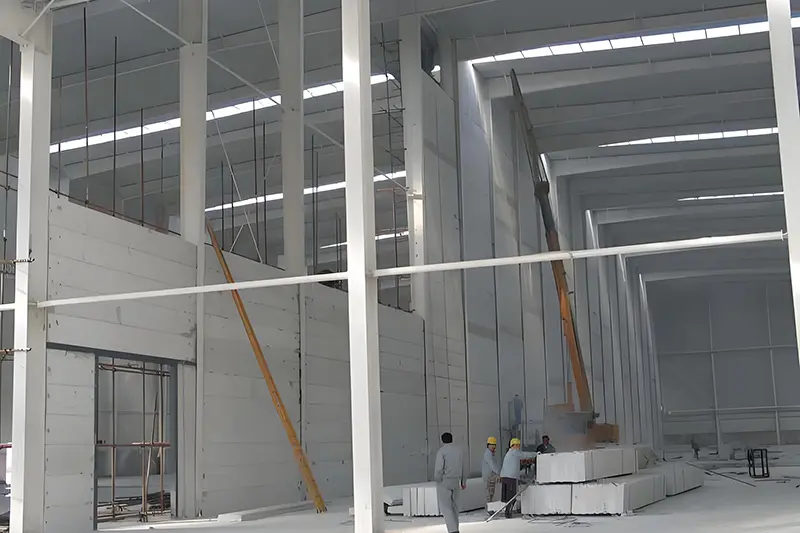
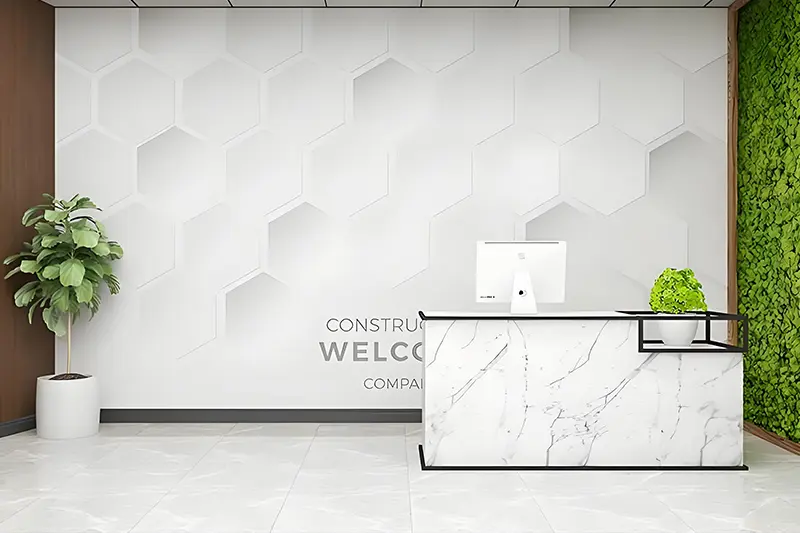
How WPC systems adapt to diverse environmental demands and localized aesthetic designs around the world.
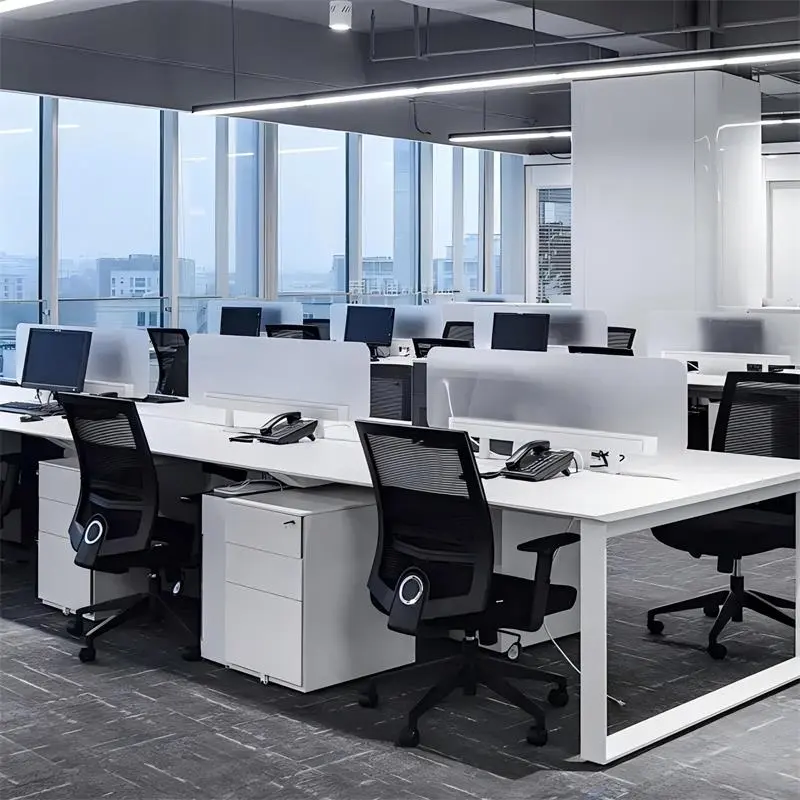
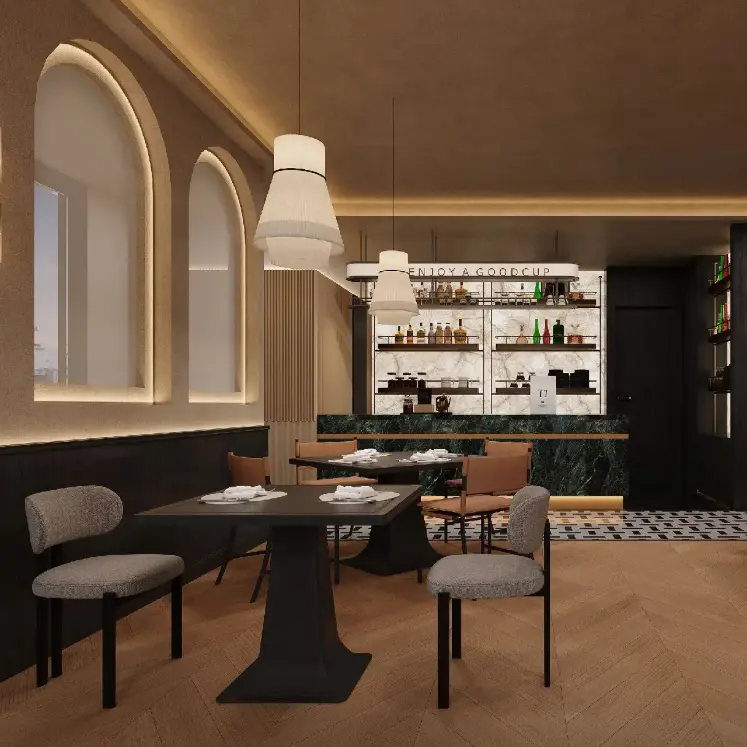
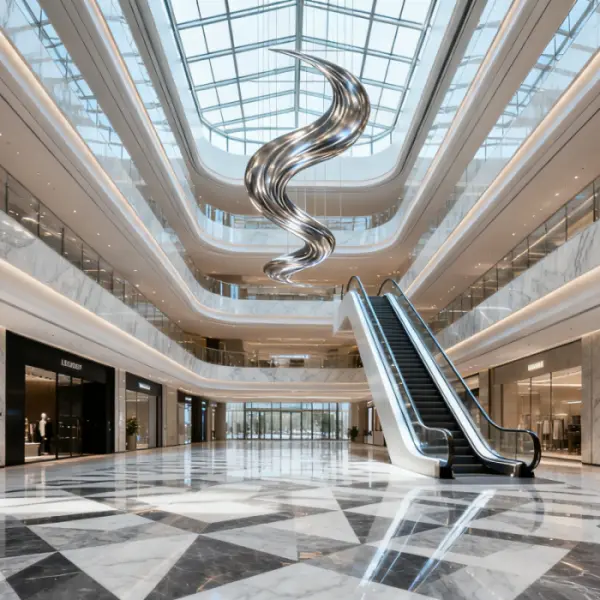
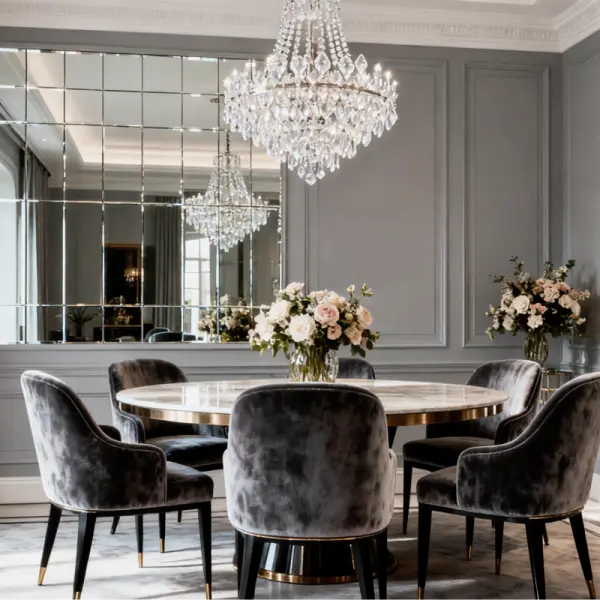
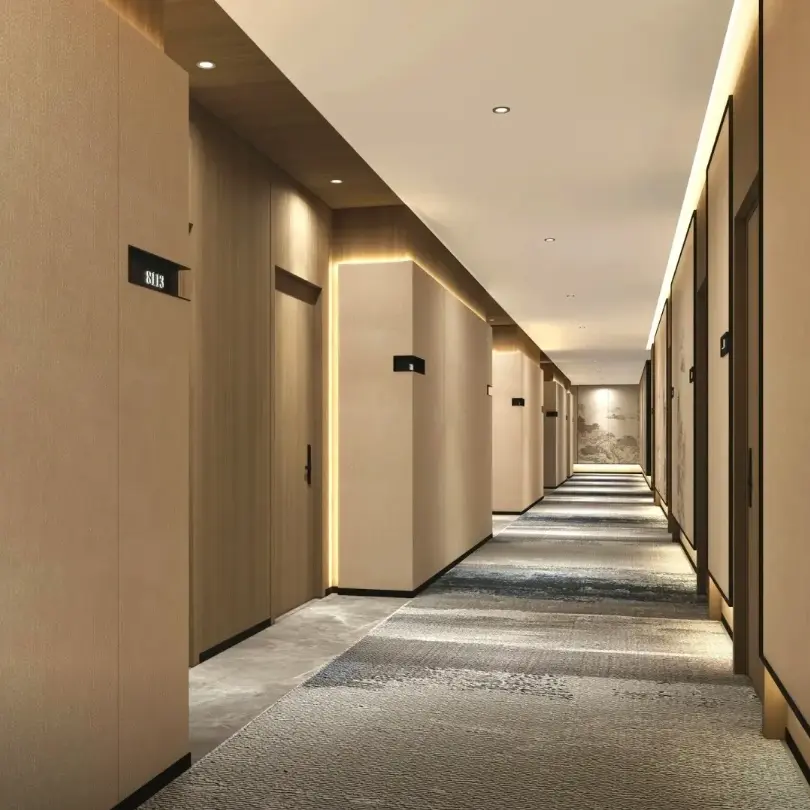
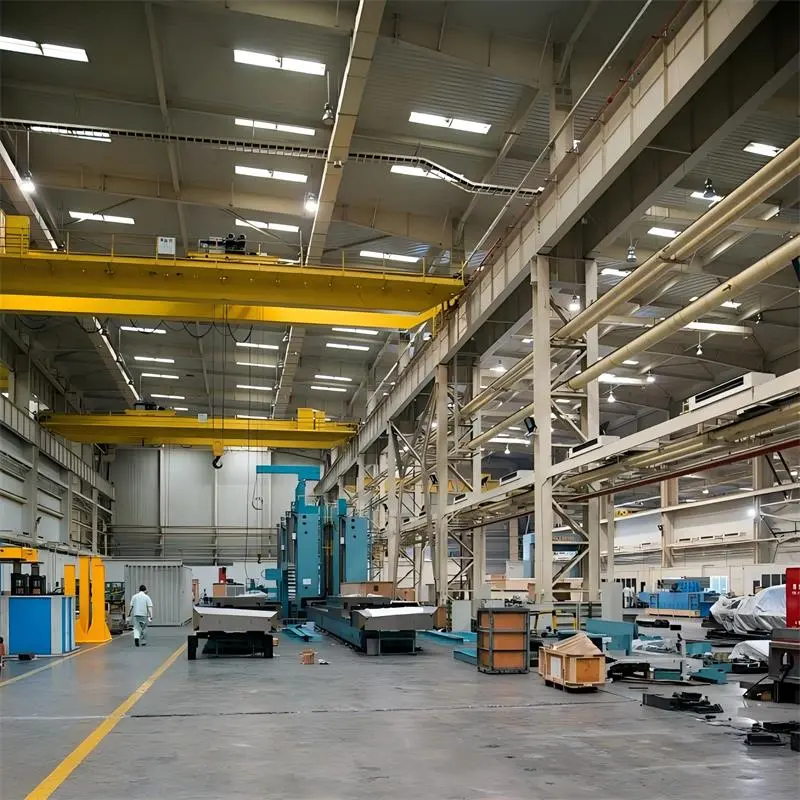
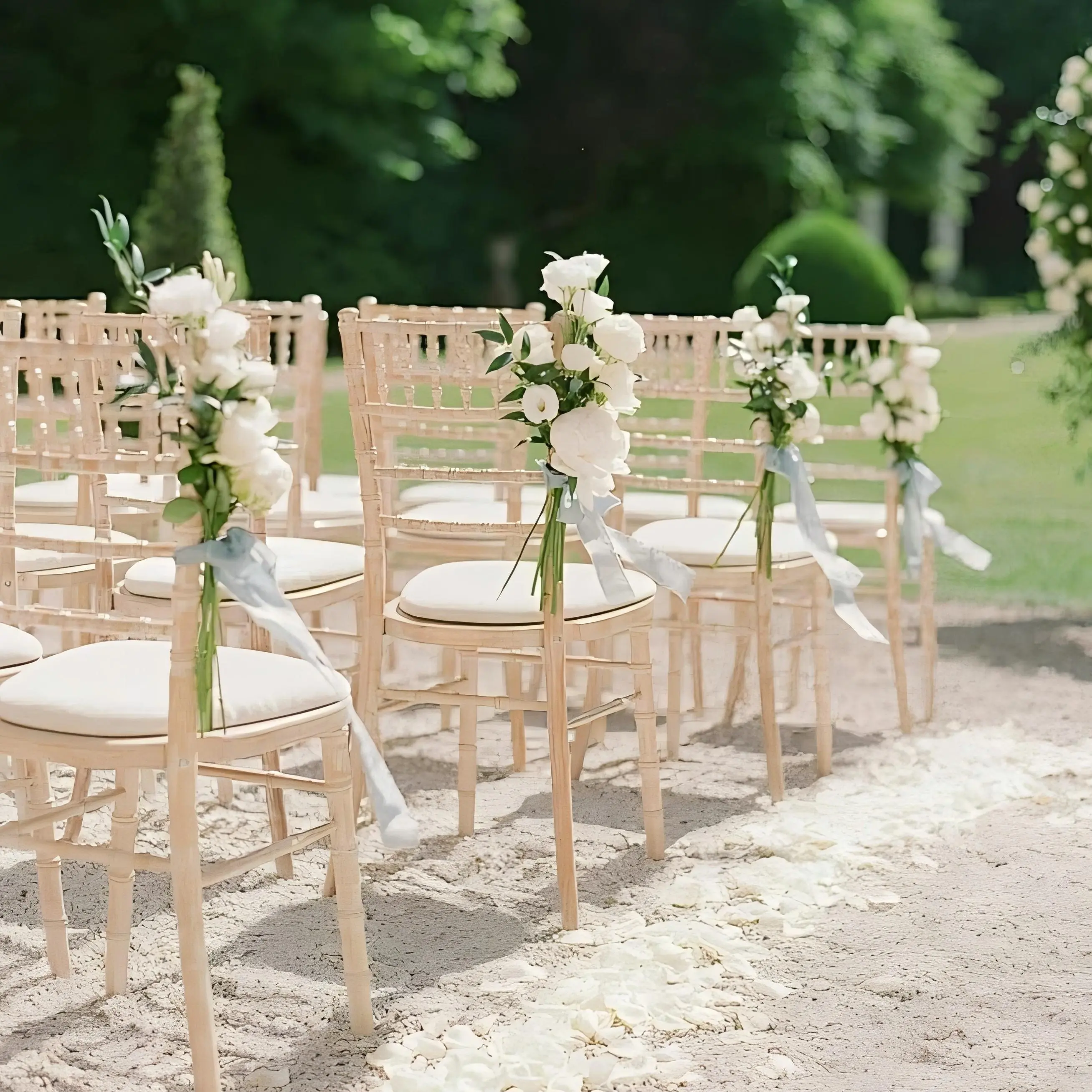
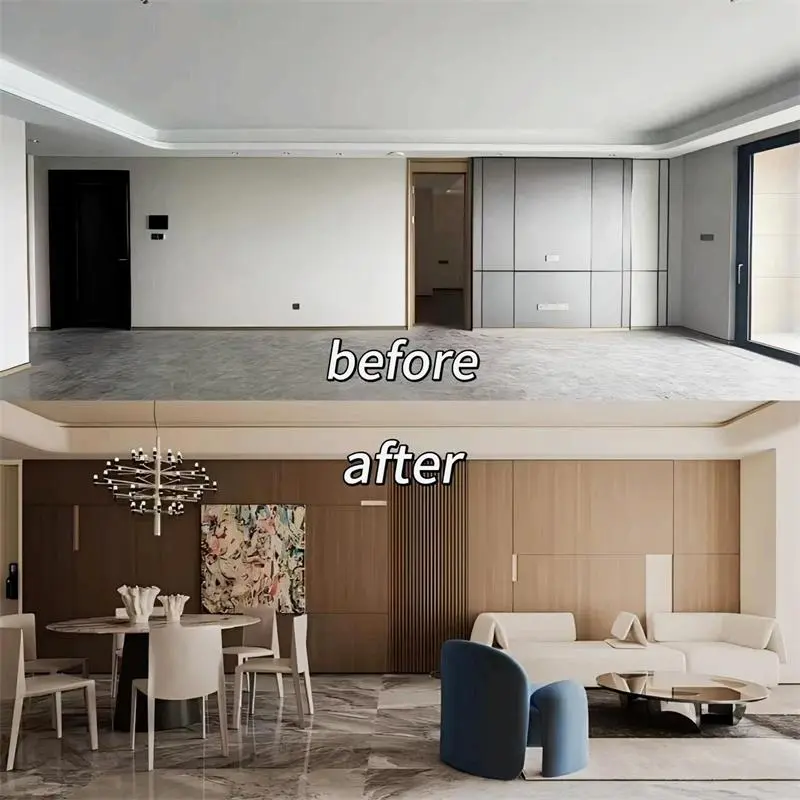
For projects in high-temperature, high-humidity regions like Southeast Asia (e.g., Vietnam, Philippines, Indonesia), building materials must resist moisture absorption and insect damage. Standard wood cladding degrades quickly under these conditions. Haofa’s WPC interior and exterior wall panels use co-extrusion technology to resist moisture penetration and decay, maintaining structural integrity over decades.
In Northern Europe and North America, insulation and resistance to freeze-thaw cycles are critical. WPC cladding protects structural underlayers from wind and moisture while adding thermal resistance. For commercial renovations, lightweight panels ease loading demands, allowing builders to apply them over existing masonry walls without extensive foundation work.
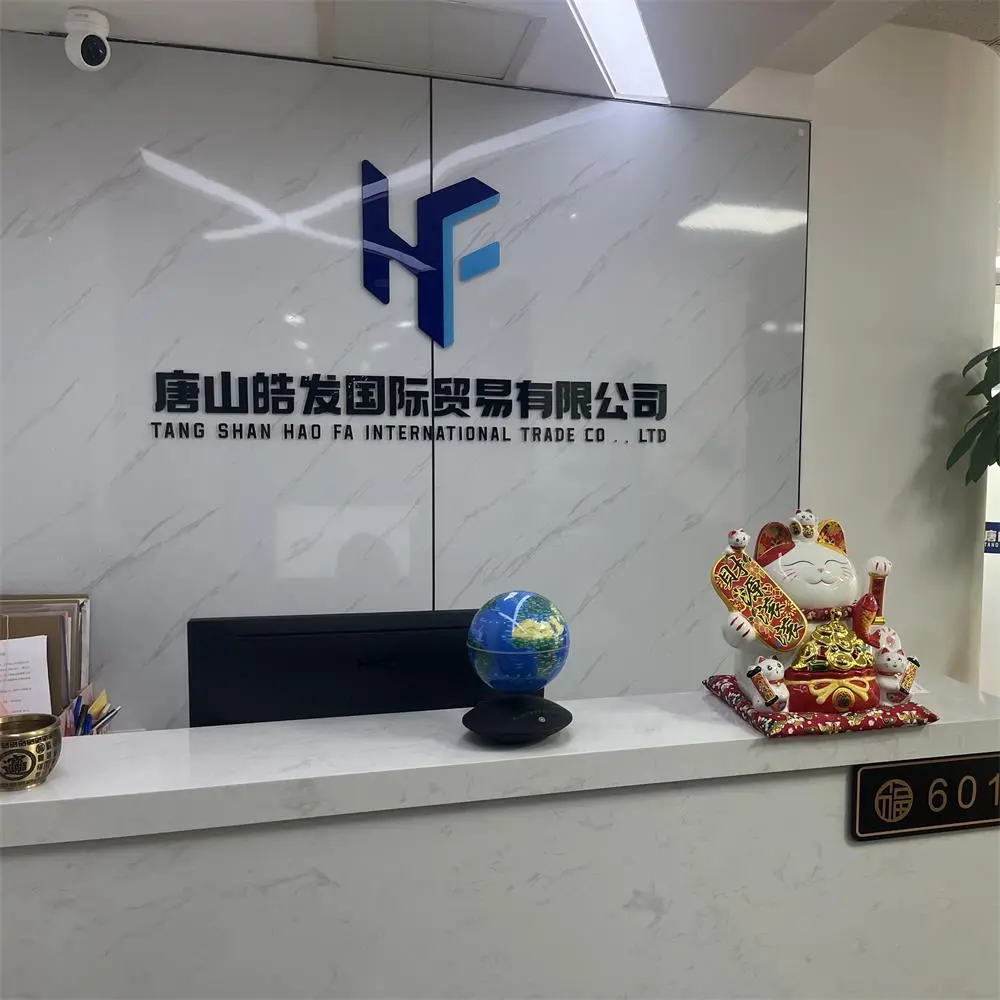
The name "Haofa" represents a wide world with great potential. Founded by Ms. Zhang Xuedong, our company has grown from a local supplier into a leading building materials exporter. Over 25 years, we have prioritized product quality, customer-centric support, and sustainable development.
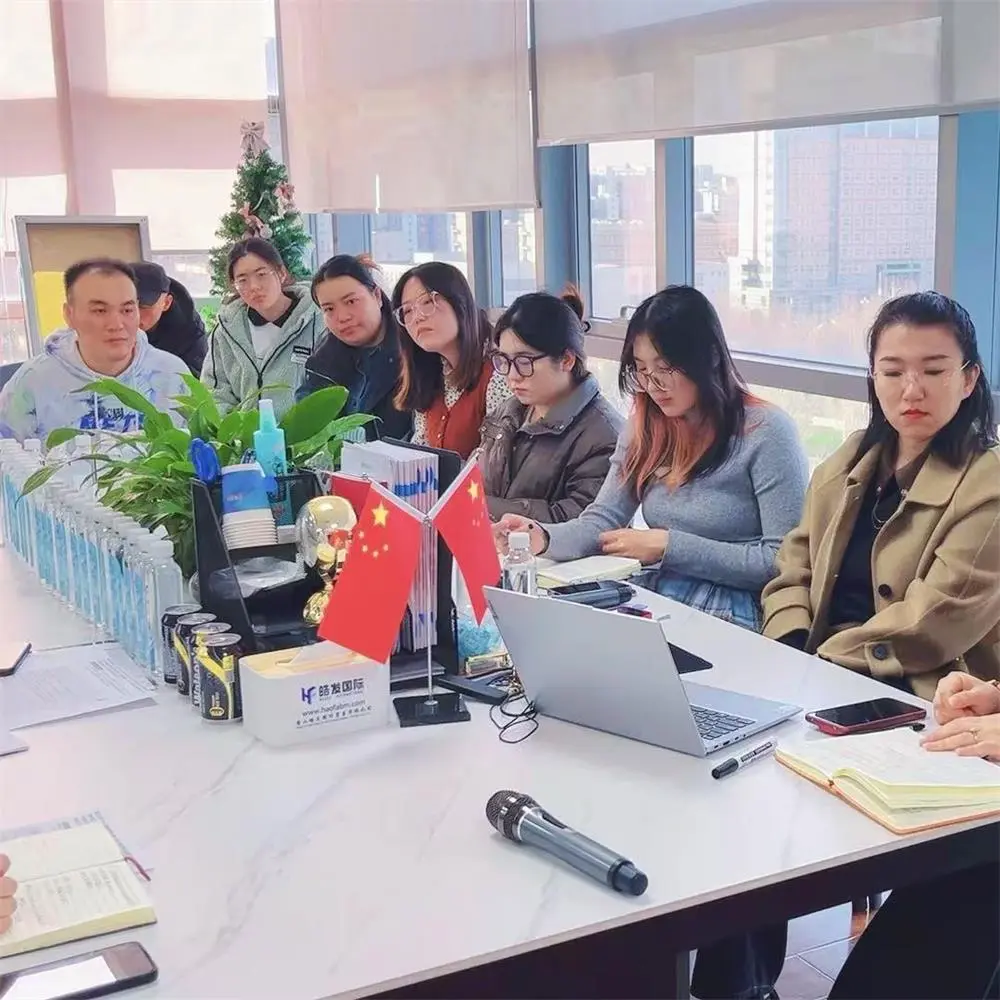
Our team has an average of over 10 years of international trade experience. We operate specialized departments for operations, purchasing, and quality assurance to coordinate order processing and shipping logistics. Our goal is to provide reliable, efficient service that helps global clients succeed in their target markets.
"We believe that once a deal is struck, we remain partners for life. Our team works every day to improve the quality of spaces and build a better future together."






Engineered to meet international safety and environmental regulations.
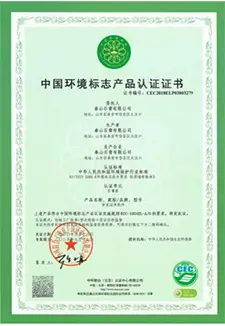
Our products meet RoHS, EN, and national environmental standards. We prioritize non-toxic stabilizers, ensuring zero volatile organic compound (VOC) emissions for indoor installations.
Our panels use fire-retardant mineral additives, achieving a Class B1 flame spread rating. This ensures they meet fire code requirements for public spaces and commercial partition installations.
We offer flexible commercial terms including FOB, CIF, EXW, and DDP. Our team coordinates customs filings, secure port storage, and final delivery documentation.
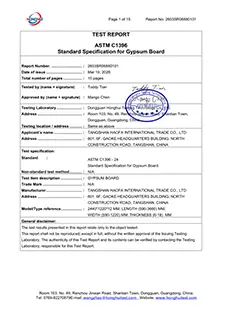
ASTM Plasterboard Cert
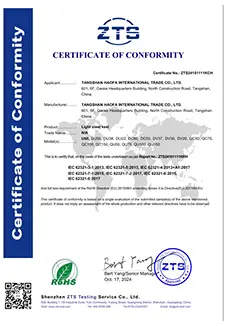
Light Steel Keel
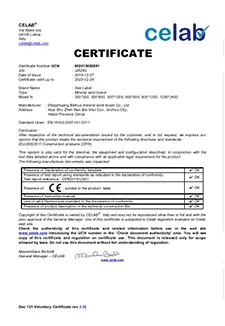
Plasterboard Standard
Plasterboard Test 2-1
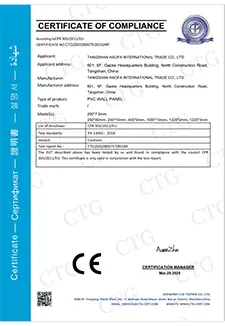
PVC Wall Panel Cert
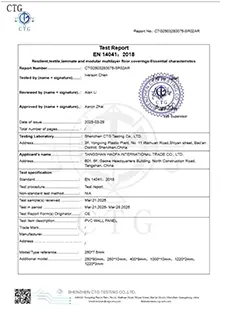
PVC Wall Panel Cert 2
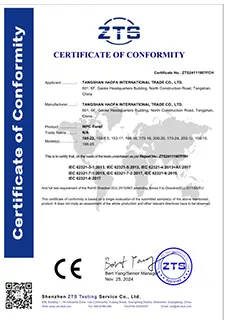
WPC Wall Panel Cert
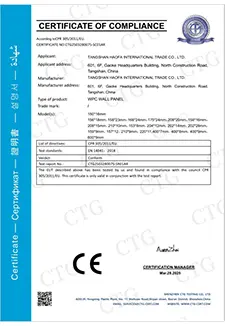
WPC Wall Panel 2-2
Insights into technological evolution, eco-standard updates, and smart architectural integration.
The global wood-plastic composite market is evolving rapidly. A major industry trend is the advancement of multi-layer co-extrusion technology. This technique applies a protective polymer shield to the WPC core, improving resistance to UV damage, moisture absorption, and scratching while mimicking natural wood grain textures.
Circular economy models are also driving change. Top manufacturers are increasing the use of recycled wood waste and post-industrial polymers, helping project developers secure LEED and BREEAM certifications. In addition, the use of modular, tongue-and-groove cladding profiles reduces installation labor costs, making WPC systems a preferred choice for large-scale developments.
Technical answers to support project specifications, sourcing decisions, and structural installation planning.
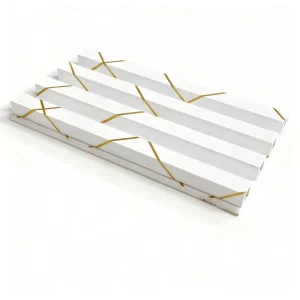
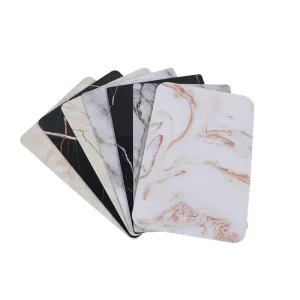
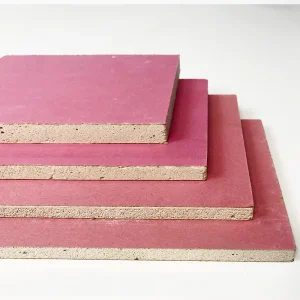
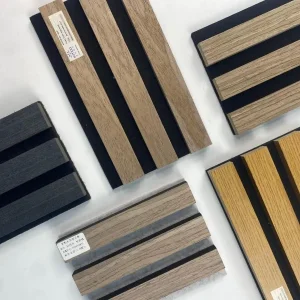
Explore our structural wall panels, acoustic boards, and seating systems designed for commercial projects.
We work with distribution partners in the US, CA, HT, BR, CL, CO, PE, GB, FR, ES, NL, DE, CD, GH, TZ, CI, MY, SA, OM, AE, IN, PK, SG, PH, JP, VN, ID, AU, and NZ.

 Haofa
Haofa