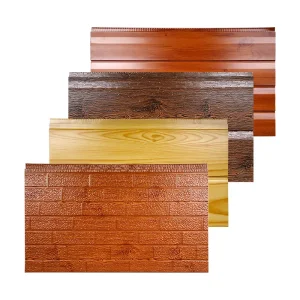
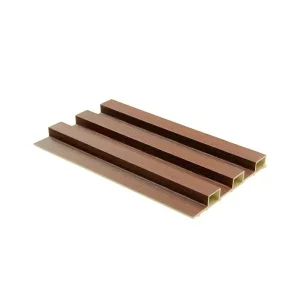
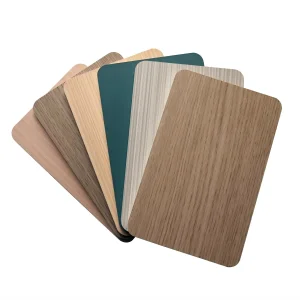
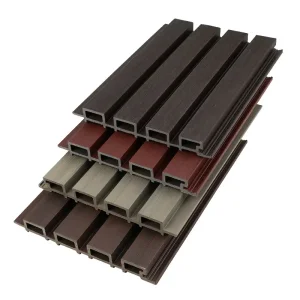
Advanced building materials engineered for hygiene, durability, and standard compliance across healthcare systems.
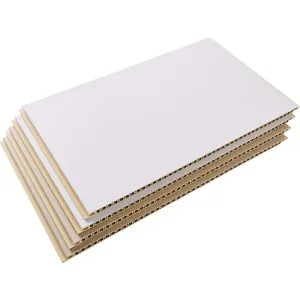
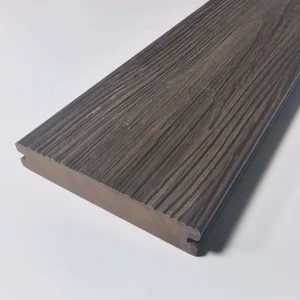
Uncovering the semantic demands for sterile environments, infection control, and architectural cleanroom systems.
In modern hospital architecture, the prevention of Healthcare-Associated Infections (HAIs) is no longer confined to sterilization protocols and air filtration. The building envelopes, wall cladding systems, and partition boards have emerged as active defense barriers. Medical-grade antibacterial boards are shifting from simple passive shielding substrates to complex composite boards embedded with antimicrobial ions (such as silver ions Ag+, zinc oxides, and nano-TiO2 photocatalytic layers). This transition has drastically changed how cleanrooms, surgical suites, intensive care units (ICUs), and pharmaceutical manufacturing units are specified globally.
According to epidemiological studies, surfaces touchpoints act as significant reservoirs for pathogen transmission. Consequently, global regulatory authorities like the World Health Organization (WHO), FDA, and European Medical Agency (EMA) have updated compliance frameworks for clinical surfaces. Designers and procurement departments must now mandate materials that demonstrate high mechanical strength, chemical resistance to aggressive disinfectants, and verifiable microbial reduction rates under certified testing protocols such as ISO 22196 and JIS Z 2801.
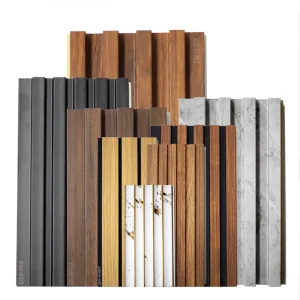
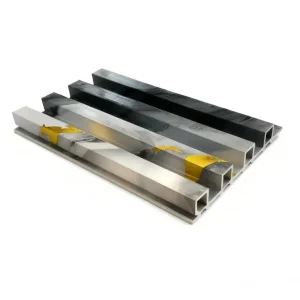
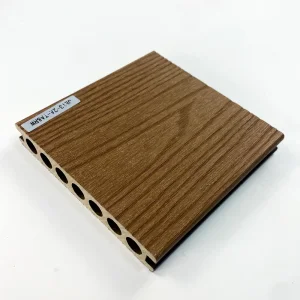
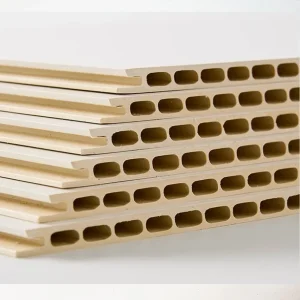
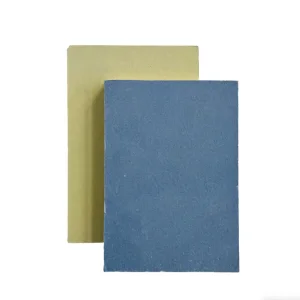
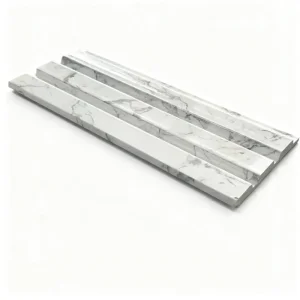
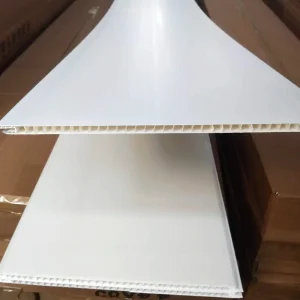
The customization requirement for cleanroom wall panels is highly complex. Standard off-the-shelf boards rarely meet the architectural layouts of high-performance operating theaters. OEM customization allows for specific board structural combinations, such as fireproof gypsum cores, calcium silicate substrates, or SPC backbones combined with advanced antibacterial PVC or resin outer films. OEM services allow medical facility planners to customize dimensional values, thickness ratios, fire-retardant limits (e.g., class-A rating under ASTM E84), and integrated sound absorption performance.
Years of Industry Experience
Global Customers Served
Order Default Rate
Certified Materials (CE/RoHS/ASTM)
Delivering uncompromised security, compliance, and end-to-end foreign trade integration.
All wall and ceiling components possess global certifications including CE, ASTM, EN, and RoHS. Our systems reliably meet European, American, and Asian structural safety, fire-resistance, and sound-isolation requirements.
Leveraging deep industrial alignment with hundreds of factories across 20+ Chinese cities. We maintain seamless trade arrangements (FOB, CIF, EXW, DDP) and a highly robust supply chain network to safeguard timelines.
We supply neutral packaging options, design customized structural combinations, and assist in customer brand customization. Compatible with dynamic regulatory frameworks globally.
The name "Haofa" reflects a wide world with great potential. Operating as a unified commercial vehicle for industrial decoration, architectural material wholesale, and residential customization, we have served the global construction trade for over 25 years.
Under the visionary leadership of our founder, Ms. Zhang Xuedong, we have consolidated critical supply channels across China's major production hubs. Today, our footprint covers wall systems, ceiling partitions, and flooring structures, delivering comprehensive architectural trade solutions.
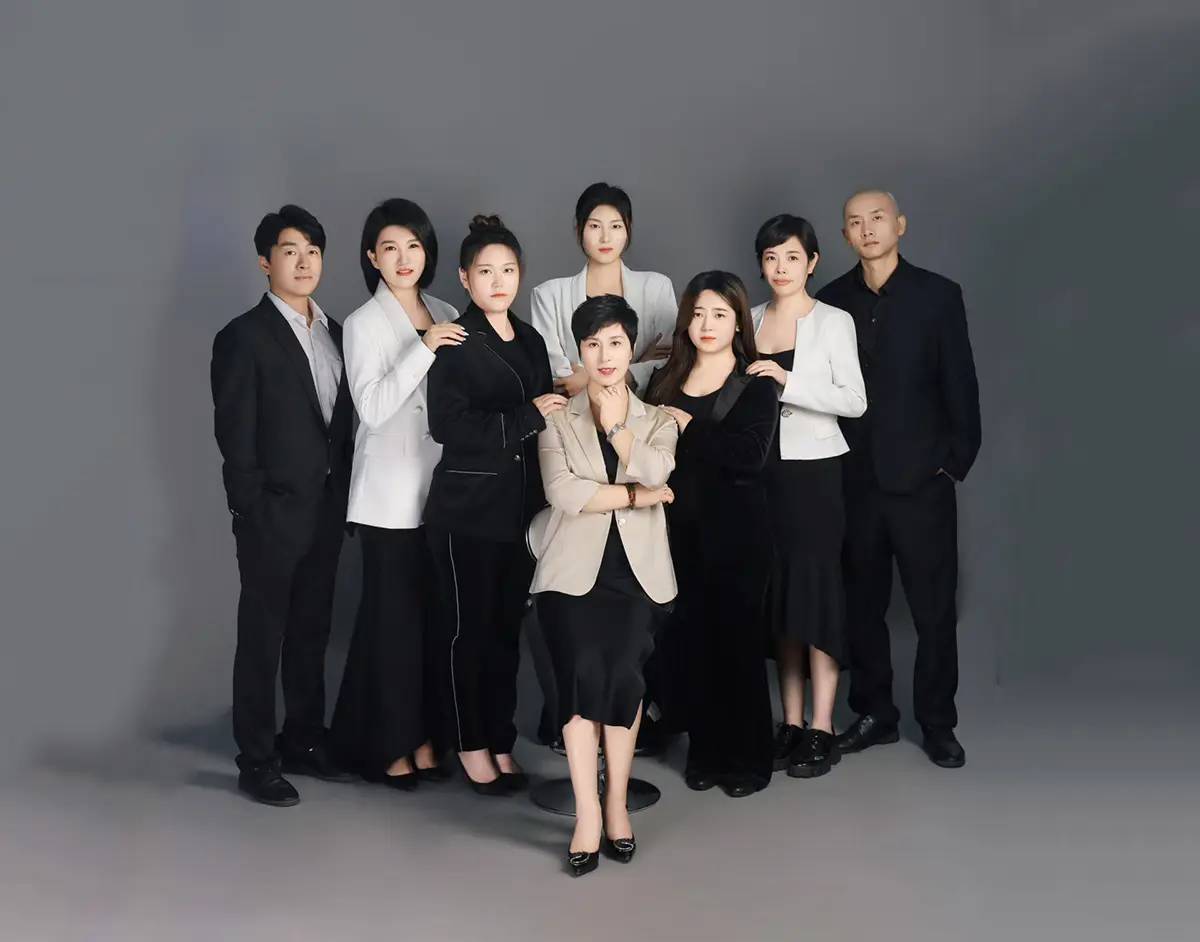
With a core foreign trade team boasting an average of over 10 years of cross-border operational experience, Haofa is partitioned into operational, purchasing, HR, and business support units. We thrive on professional diligence, absolute transparency, and mutual success.
Our core spirit represents a simple yet powerful commitment: "Let quality be the base, lead through innovative processes, and assure client confidence via flawless execution." We approach relationships with a guiding philosophy: "Once a deal, lifelong friends."
How Haofa's combined technical arrays solve complex commercial, industrial, and clinical construction demands.
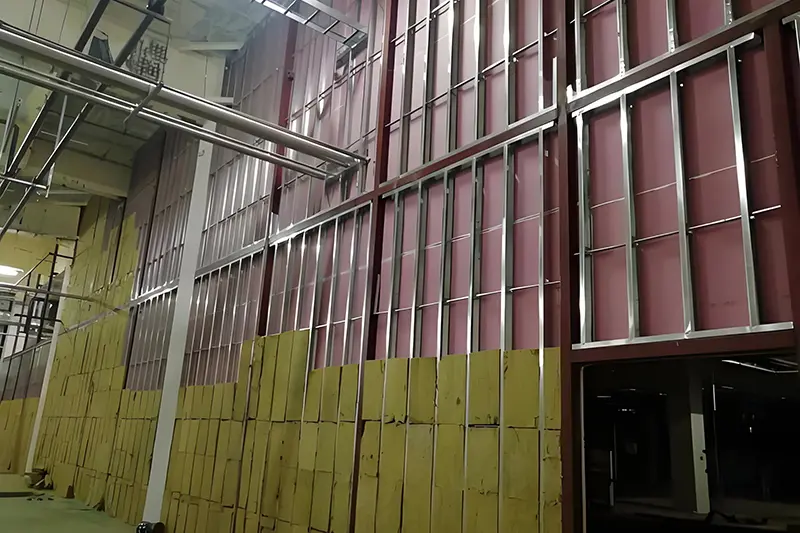
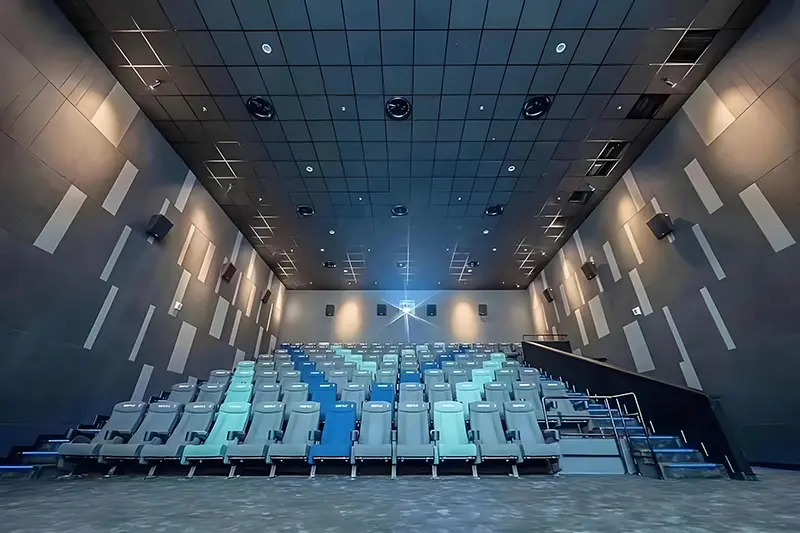
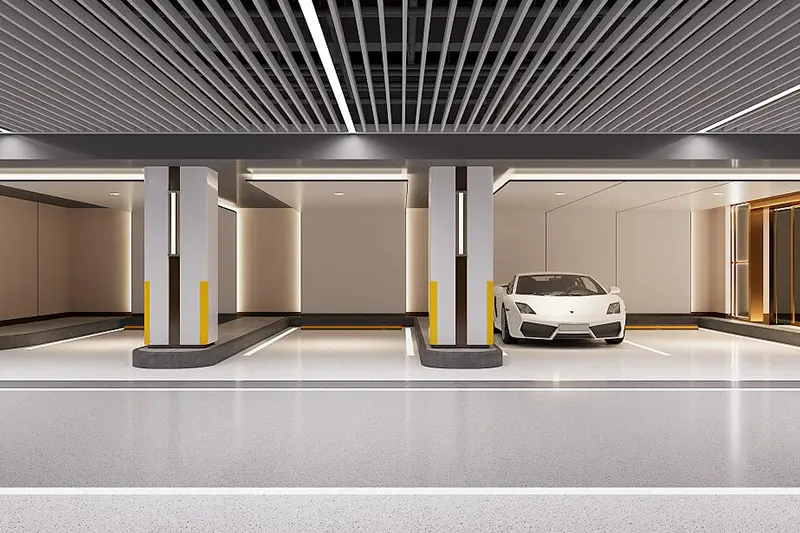
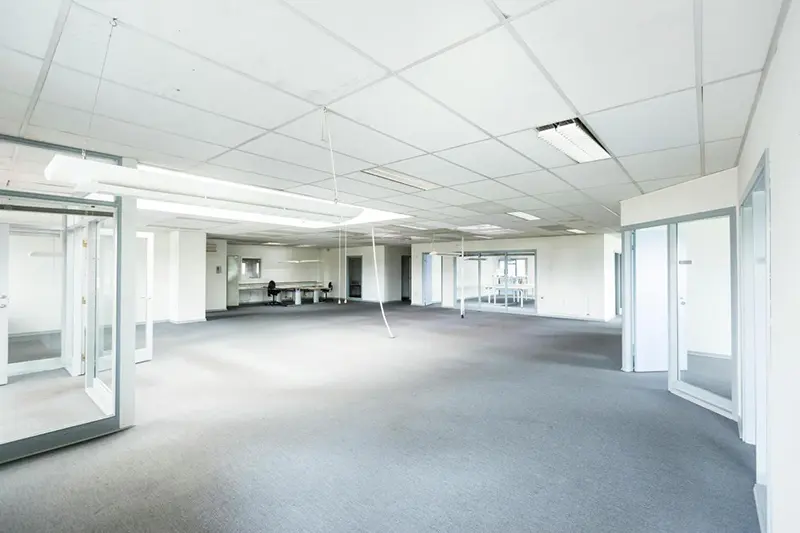
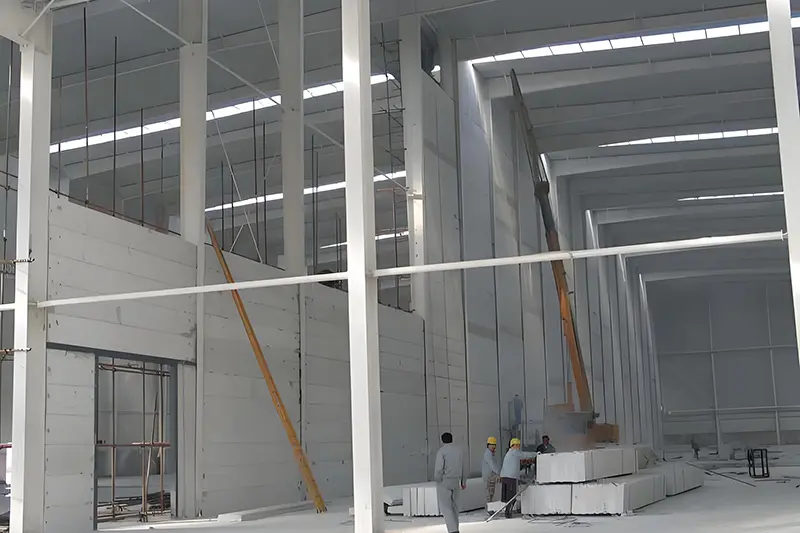
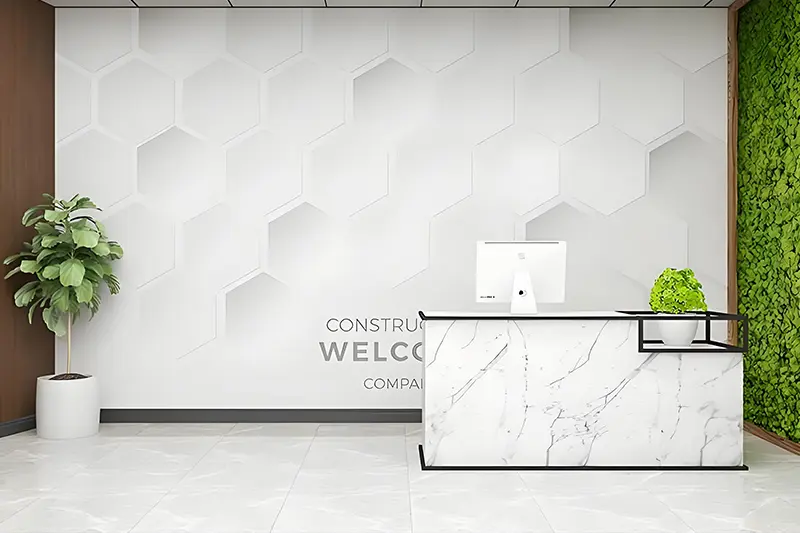
A technical dive into active antibacterial coatings, substrates, and microbiological efficacy.
In medical building boards, surface coatings are often enriched with silver ions (Ag+). The chemistry relies on the sustained release of Ag+, which binds to the bacterial cellular wall, inducing protein denaturation and halting DNA replication. Under standard laboratory testing, this chemistry displays a reduction rate (R) greater than 99.9% against pathogens like Escherichia coli, Staphylococcus aureus, and Pseudomonas aeruginosa.
Additionally, nano-Titanium Dioxide (TiO2) coatings are increasingly integrated. Acting as a photocatalyst, TiO2 generates highly reactive oxygen species (ROS) when exposed to UV or standard lighting. These radicals oxidize the cellular structure of bacteria and viruses, breaking down cellular debris into trace carbon dioxide and water, preventing film-forming build-ups on the panels.
Clinical infrastructure demands structural fire safety. Hospital wall components must act as barriers to contain smoke and heat. Our composite medical-grade boards are systematically validated against international standards:
As healthcare environments demand sustainable, intelligent materials, the technical roadmaps of top-tier OEM suppliers are focusing on two major developments:
Verifiable compliance documents and real production highlights representing our global standards.




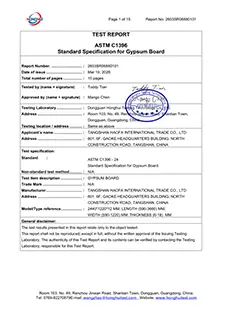
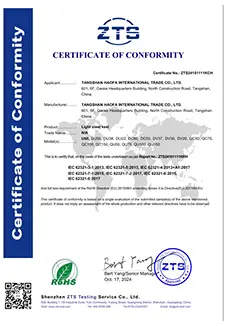
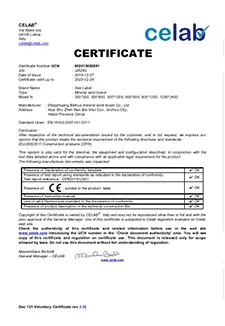
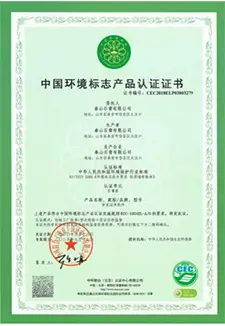
We successfully serve and distribute to active building projects, medical complexes, and trade networks in the following regions:
US, CA, HT, BR, CL, CO, PE, GB, FR, ES, NL, DE, CD, GH, TZ, CI, MY, SA, OM, AE, IN, PK, SG, PH, JP, VN, ID, AU, NZ

Resolving operational questions regarding testing protocols, customization limits, and supply configurations.
Reliable components designed to complete modern clinical, industrial, and residential wall and ceiling installations.
 Haofa
Haofa