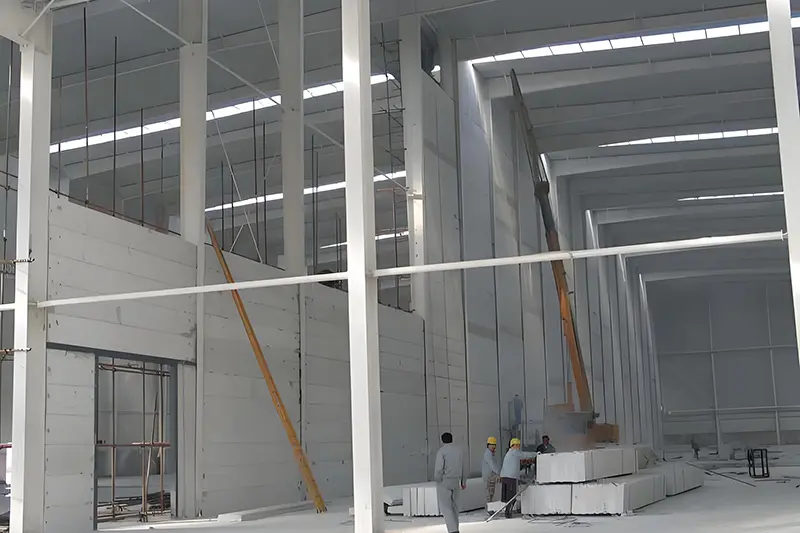
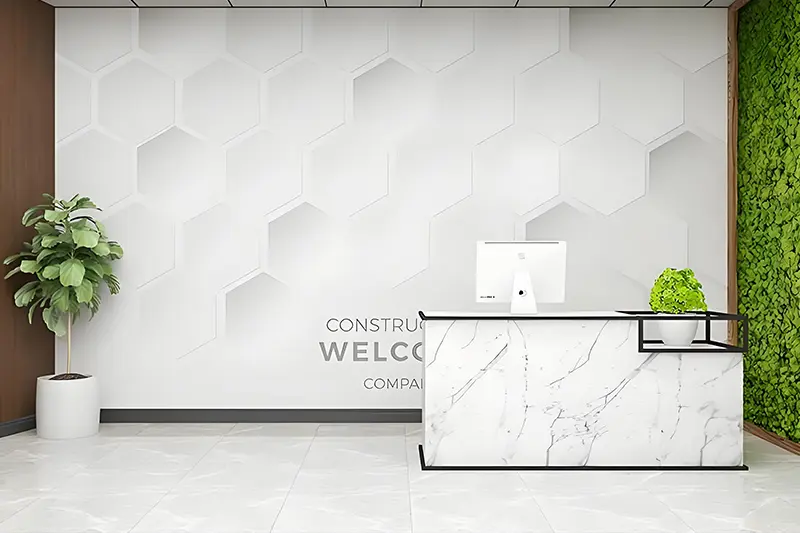
Explore our elite engineering solutions engineered for structural integrity, moisture resistance, and acoustic efficiency.
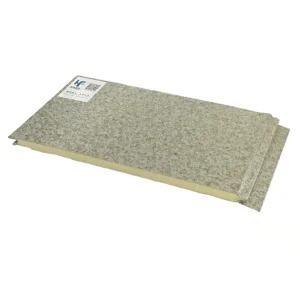
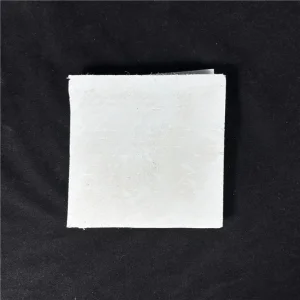
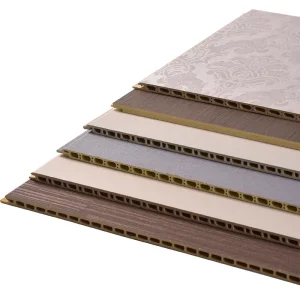
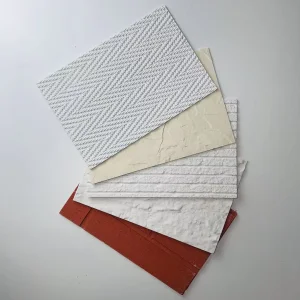
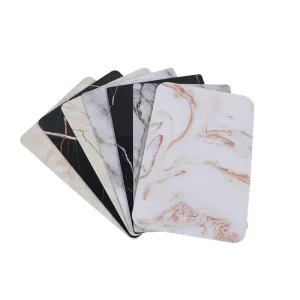
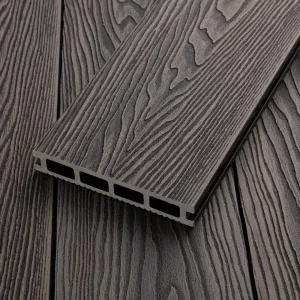
An authoritative look at why co-extrusion has replaced legacy composite wall cladding.
Traditional wood-plastic composites (WPC) face environmental stressors like oxidation, structural warpage, and moisture penetration over time. Co-extruded hollow WPC wall panels represent the high-performance evolution of composite manufacturing.
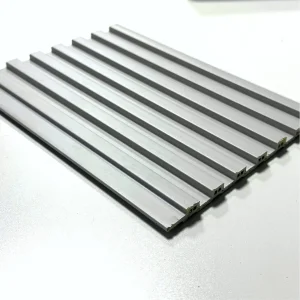
Unlike classic mono-extruded panels, co-extrusion technology implements an advanced multi-layered thermal bonding process. By utilizing a high-density, engineering-grade protective capping material (usually premium PE modified polymer) wrapped 360 degrees around the inner hollow composite core, the panel is sealed against moisture, UV rays, and physical impacts.
The internal hollow chamber configuration serves two structural purposes: it dramatically reduces the dead weight of wall systems—minimizing the mechanical load on architectural framing—while establishing an active thermal and acoustic insulating buffer layer.
| Performance Parameter | Co-Extruded WPC Panel | Traditional WPC Cladding | Natural Timber Cladding |
|---|---|---|---|
| Moisture Absorption Rate | <0.5% (Saturated immersion test) | <3.5% (Susceptible to freeze-thaw damage) | Highly variable (>15% - warps/rots) |
| UV Degradation Resistance | Delta E < 2.5 after 2000 hours Xenon Arc | Significant fading (Delta E > 5.0) | Rapid graying, requires constant staining |
| Bending Strength (MOR) | >25 MPa | >18 MPa | High but highly anisotropic |
| Maintenance Overhead | Self-cleaning, periodic water rinse | Prone to surface mold, scrubbing required | High cost, sanding/sealing every 2 years |
Optimized configurations engineered for diverse global climates and structural demands.
Ideal for premium workspace cladding. Integrates seamlessly with light steel keel framing models, facilitating swift electrical layout and utility routing through hollow channels while matching acoustic parameters required by modern partition walls.
Engineered specifically for coastal hotels, swimming deck areas, and regional moisture-prone buildings. The co-extruded polymers block airborne chloride ions and prevent saltwater decay, preventing swelling and structural failures.
High-traffic transport hubs benefit from the anti-scratch and impact-resistant outer shell. Stains, graffiti, and daily abrasive contact are minimized by the dense polymer layer, which allows high-pressure washing cleaning cycles.
The Name "Haofa" Means a Wide World with Great Potential.
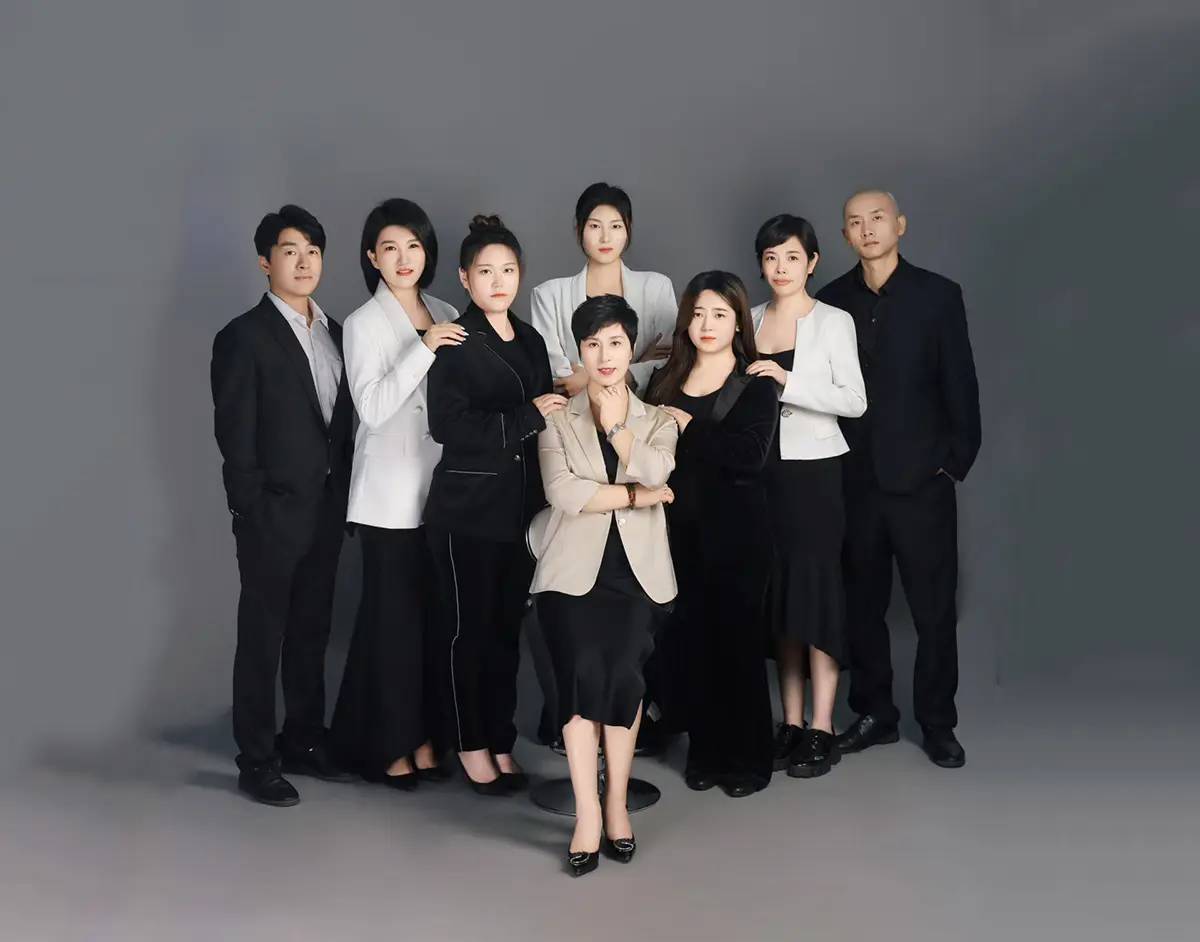
We are a collection of industrial decoration building materials wholesale and home improvement private customization in one of the emerging trading companies, deeply plowing into the decoration building materials industry for 25 years.
Our comprehensive services cover three major application scenarios: wall systems, ceiling systems, and ground systems. The core products exported globally include light steel keel, gypsum board, mineral wool board, PVC wall board, premium hardware accessories, and bespoke custom furniture.
Led by Ms. Zhang Xuedong, the founder of the company, our team possesses rich experience in managing bulk supply chains and foreign trade logistics. The Operations, Purchasing, Human Resources, and Business departments operate and cooperate efficiently to secure the interests of international buyers.
Our corporate spirit is based on quality, wins by innovation, and is guaranteed by service. We are committed to integrating the world's best building materials and design resources to provide a full range of personalized decoration solutions from industrial to residential.
Why manufacturing with Tangshan Haofa optimizes your raw material safety and procurement costs.
In today's volatile raw material market, supply chain diversification and efficiency are critical. Tangshan Haofa International Trade Co., Ltd. has established deeply integrated partnerships with hundreds of premium factories across more than 20 cities in China.
This network enables us to maintain continuous production even during seasonal energy limits or regional transport restrictions. By sourcing raw materials (high-grade PE polymers, uniform wood fibers, fire-retardant mineral matrices) closer to manufacturing centers, we secure a stable cost base, protecting our clients from price spikes.
Furthermore, our strategic presence near major shipping terminals guarantees flexible logistics solutions (including FOB, CIF, EXW, and DDP terms) with custom clearances processed directly by our experienced teams.
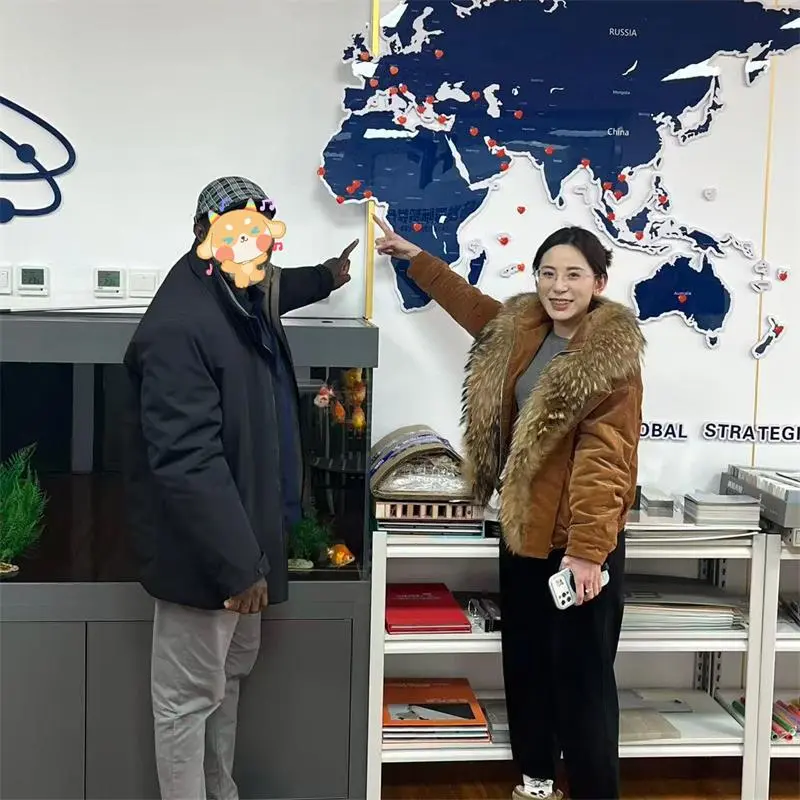
Active Markets: United States, Canada, Haiti, Brazil, Chile, Colombia, Peru, United Kingdom, France, Spain, Netherlands, Germany, Democratic Republic of the Congo, Ghana, Tanzania, Ivory Coast, Malaysia, Saudi Arabia, Oman, United Arab Emirates, India, Pakistan, Singapore, Philippines, Japan, Vietnam, Indonesia, Australia, and New Zealand.

Watch our co-extrusion technology processes and logistics flow in real-time.
Tested system combinations designed to resolve structural, thermal, and acoustic challenges.
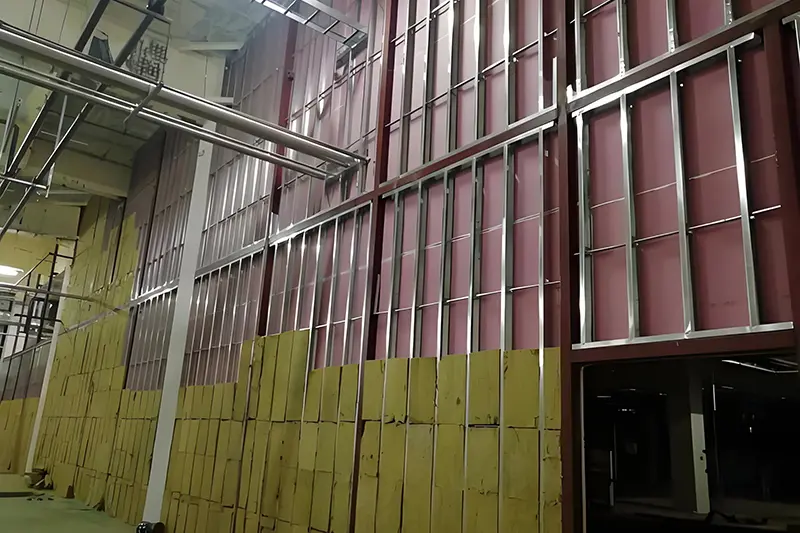
CASE: Partition Wall Project for a High-rise Building
Combination: Fire-resistant gypsum board + Steel studs + Rock wool + Fire-rated ceiling panels + Ceramic aluminum acoustic panels
Core Advantages: Complies with international fire standards; Provides 1-4 hour fire-rated solutions; Lightweight design reduces building load.
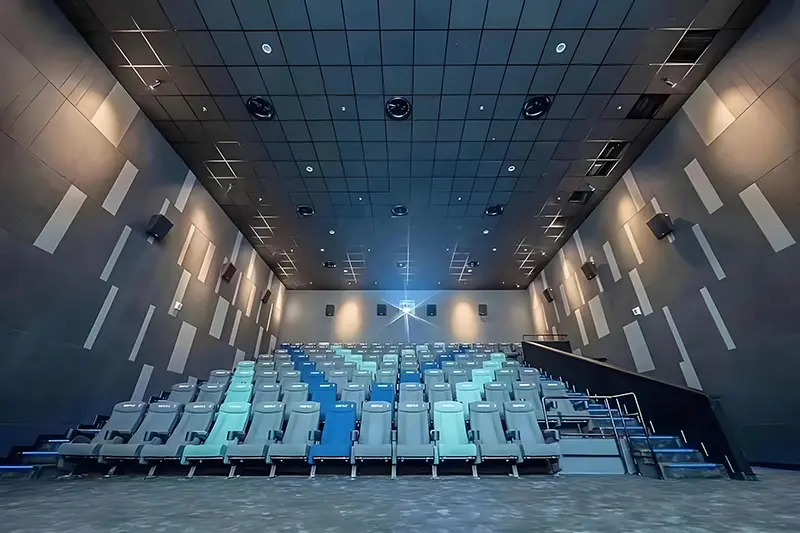
CASE: Acoustic Renovation Project for a Cinema Screening Hall
Combination: Sound-absorbing gypsum board + Steel studs + Glass wool + Glass fiber acoustic panels + Polyester fiber acoustic panels
Core Advantages: Provides superior soundproofing performance; Customized acoustic design to meet different decibel requirements; Eco-friendly materials.
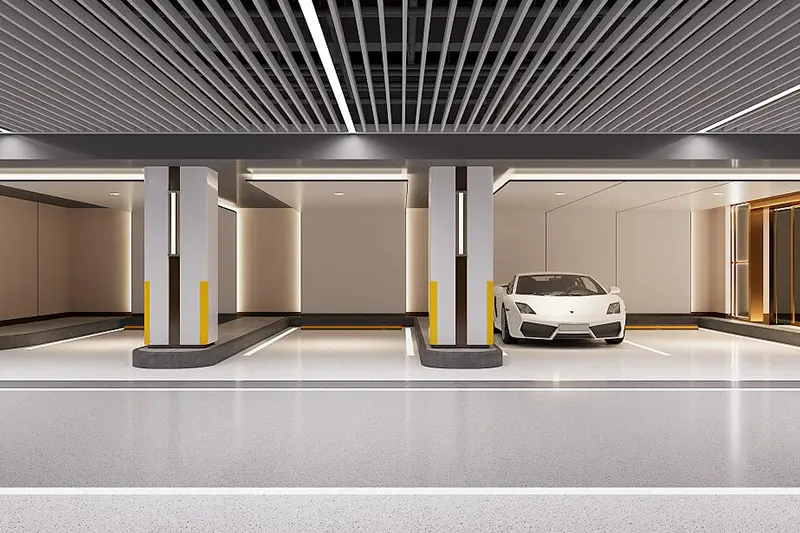
CASE: Underground Parking Lot for a Shopping Mall
Combination: Moisture-resistant gypsum board + Steel studs + Polyurethane + Aluminum ceiling panels + PVC wall panels/UV panels
Core Advantages: High moisture resistance, preventing mold growth; Exceptional durability, suitable for high-humidity environments.
CASE: Rapid Construction of an International Exhibition Center
Combination: Paper-faced Gypsum Board + Light Steel Keel/Painted Steel Keel + Mineral Wool Board + WPC Wall Panel
Core Advantages: Modular design increases installation efficiency by 50%; Reduces construction waste at the site, enhancing environmental friendliness.
CASE: Partition Wall Project in an Automobile Factory
Combination: High-Strength Gypsum Board + Thickened Light Steel Keel + Calcium Silicate Board/Cement Pressure Board
Core Advantages: Excellent load-bearing performance, suitable for high-load environments; Strong impact resistance, extending service life.
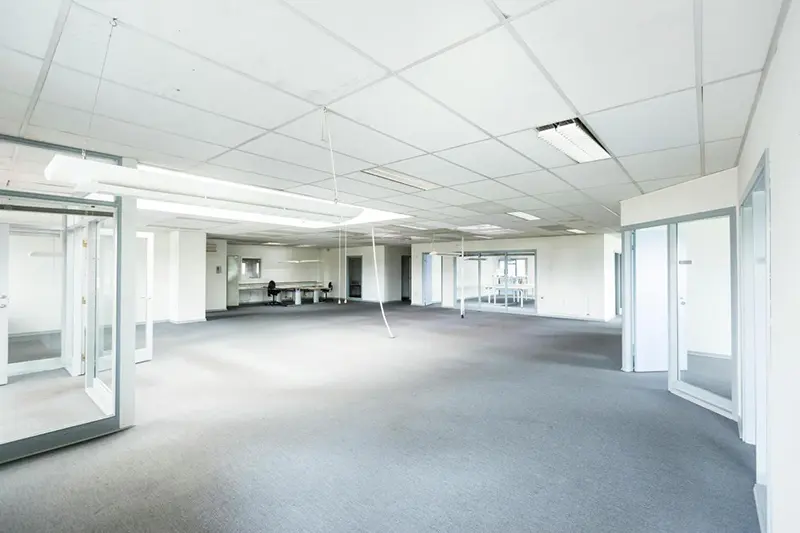
CASE: Reception Area Decoration Project for a Corporate HQ
Combination: Decorative Wall Panels + Customized Surfaces + Matching Decorative Trims
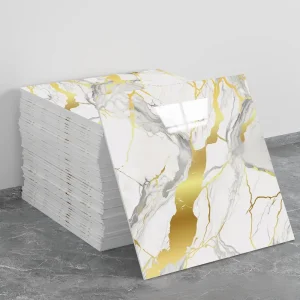
Core Advantages: Diverse surface treatments (wood grain, stone texture, metallic finish); Support for customized patterns and colors; Easy to clean.
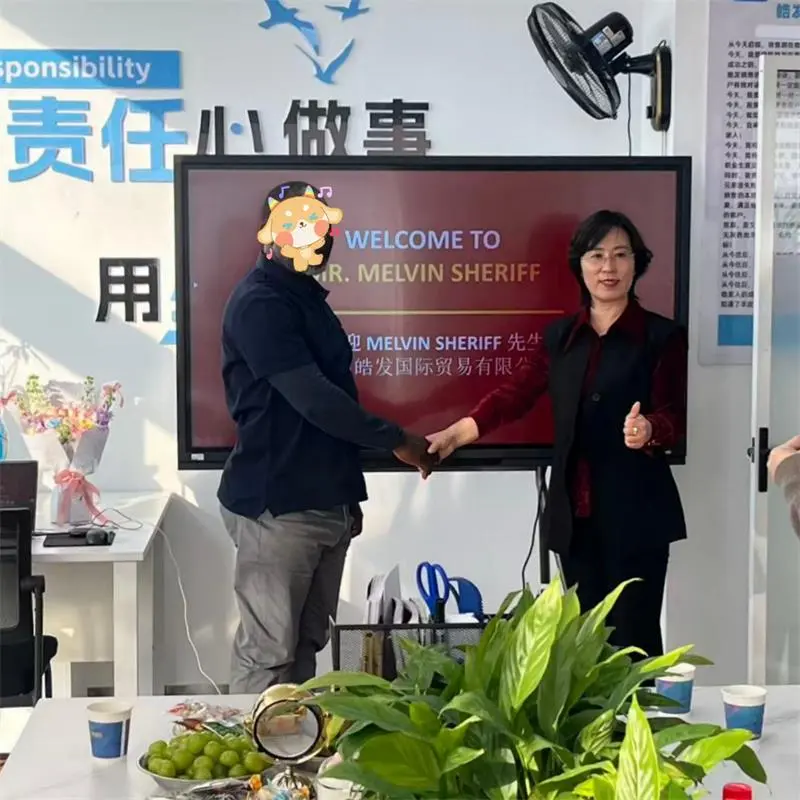
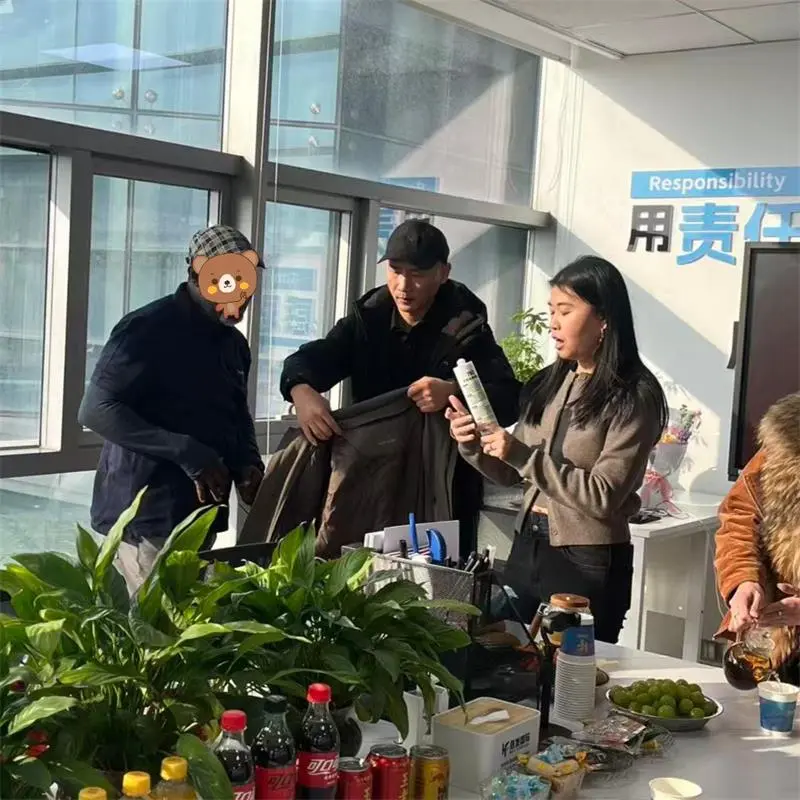
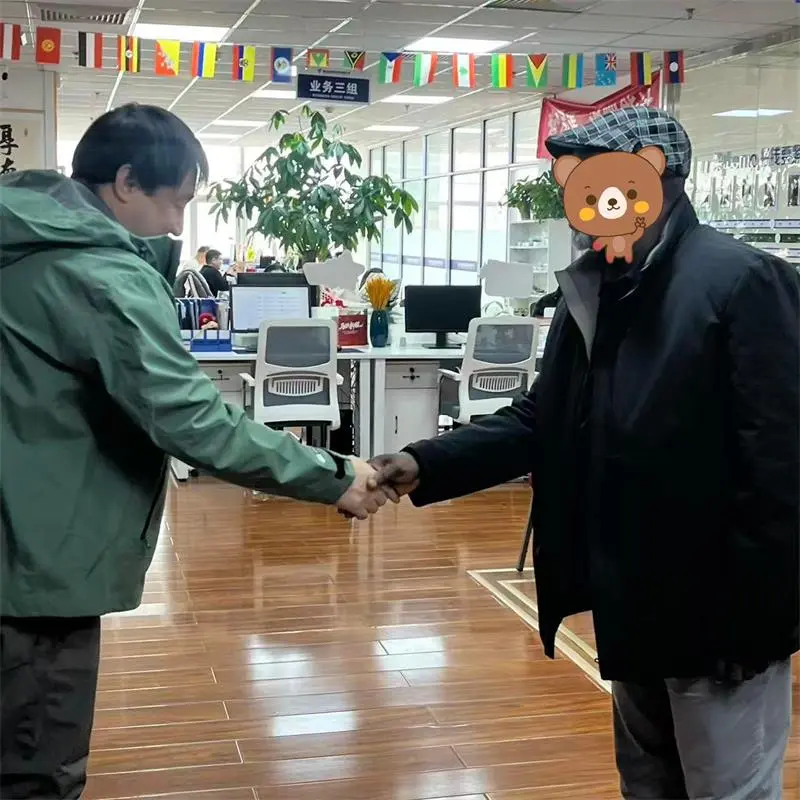
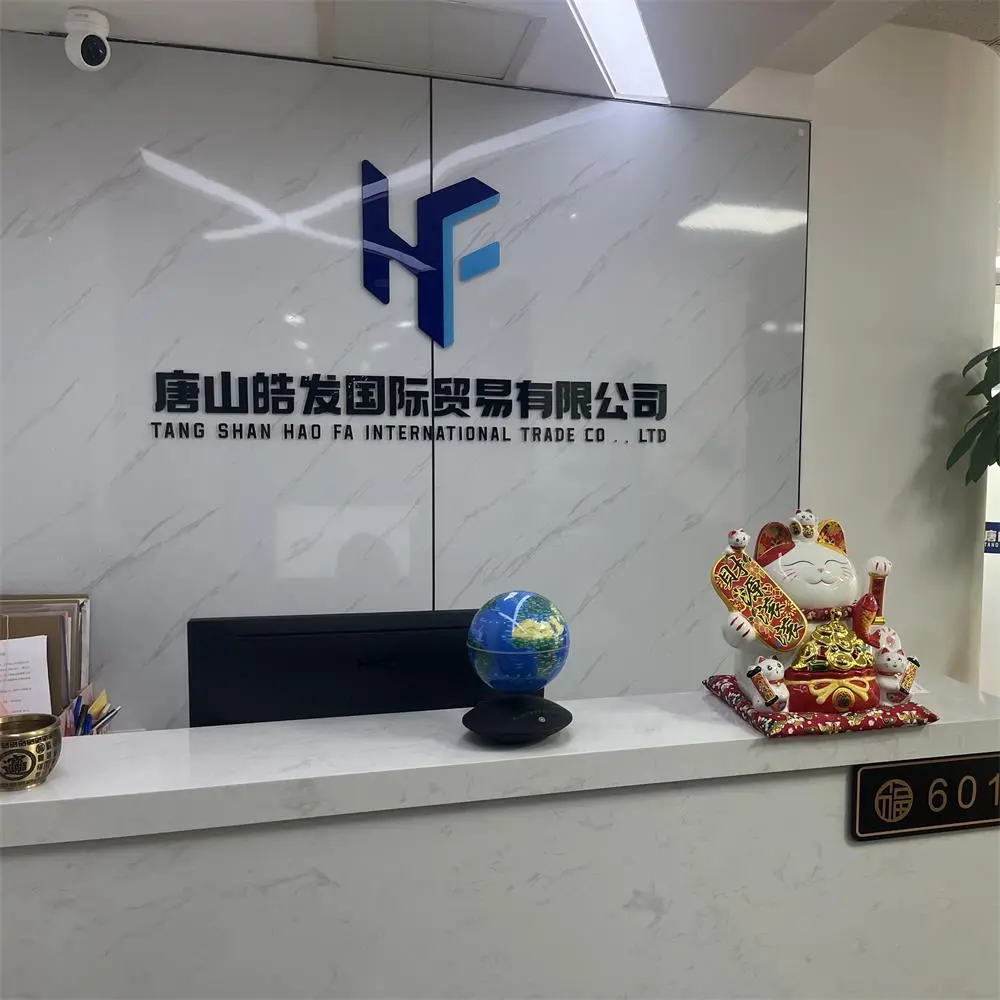
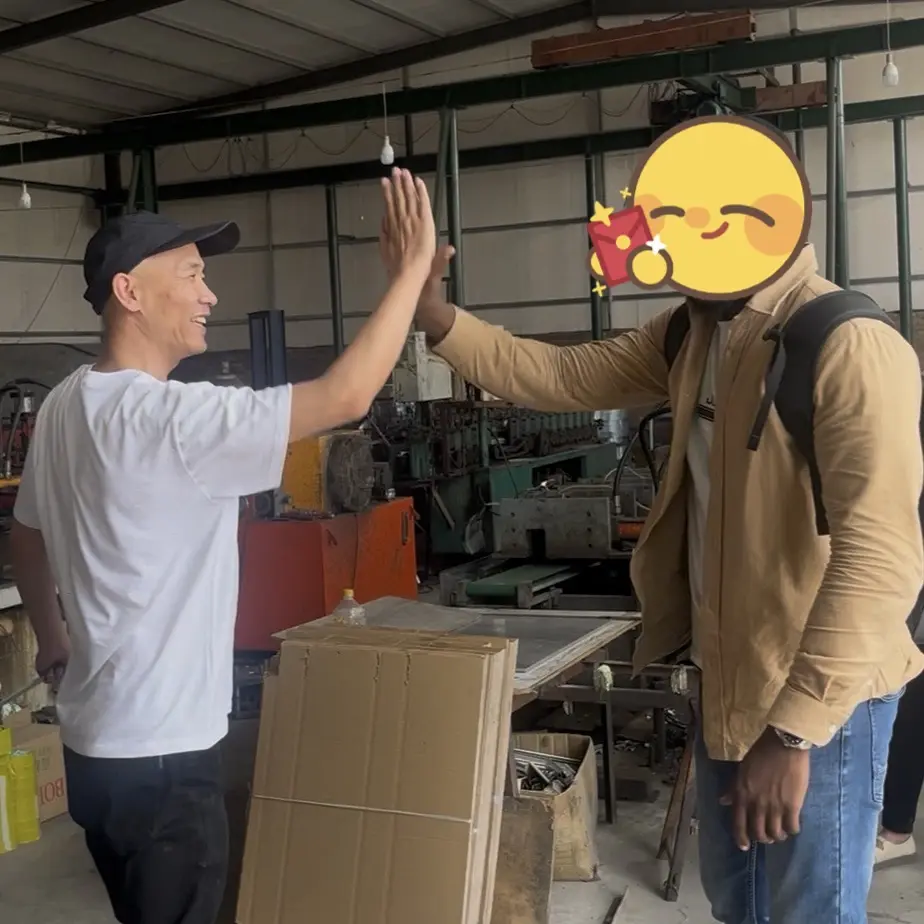
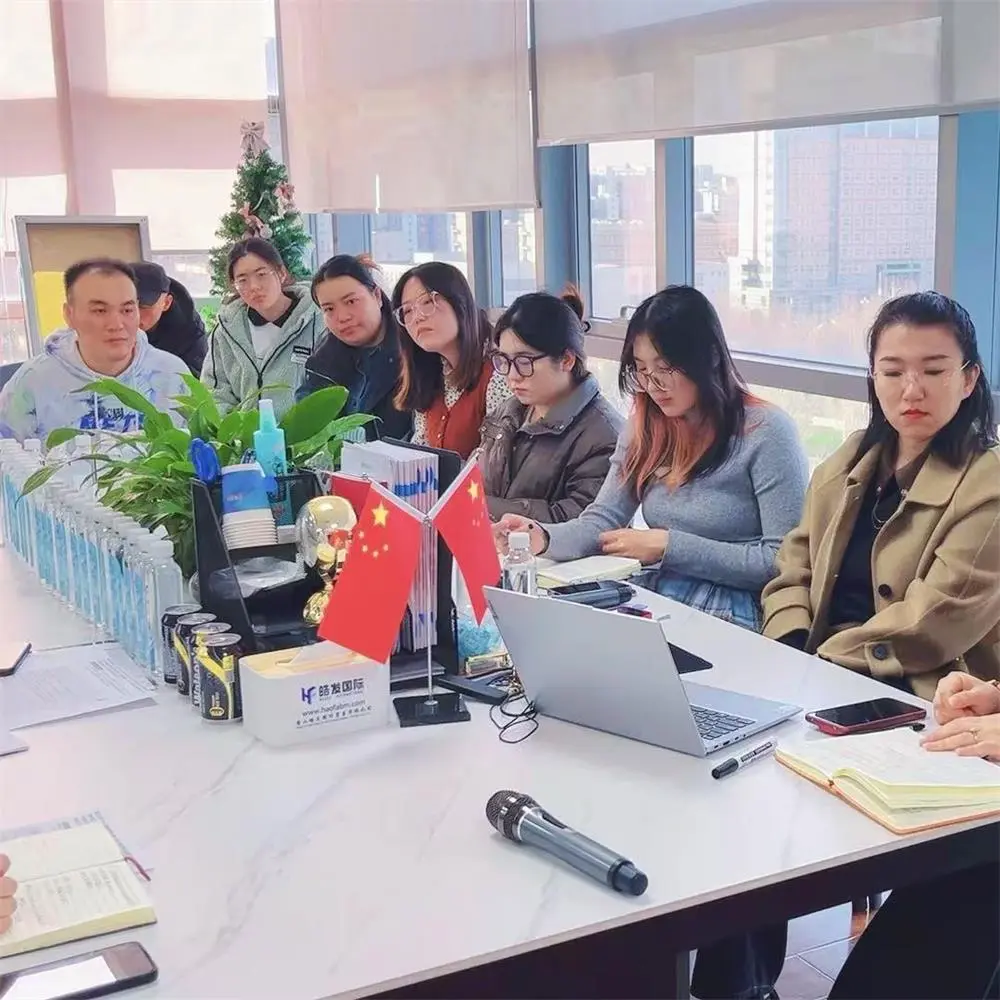
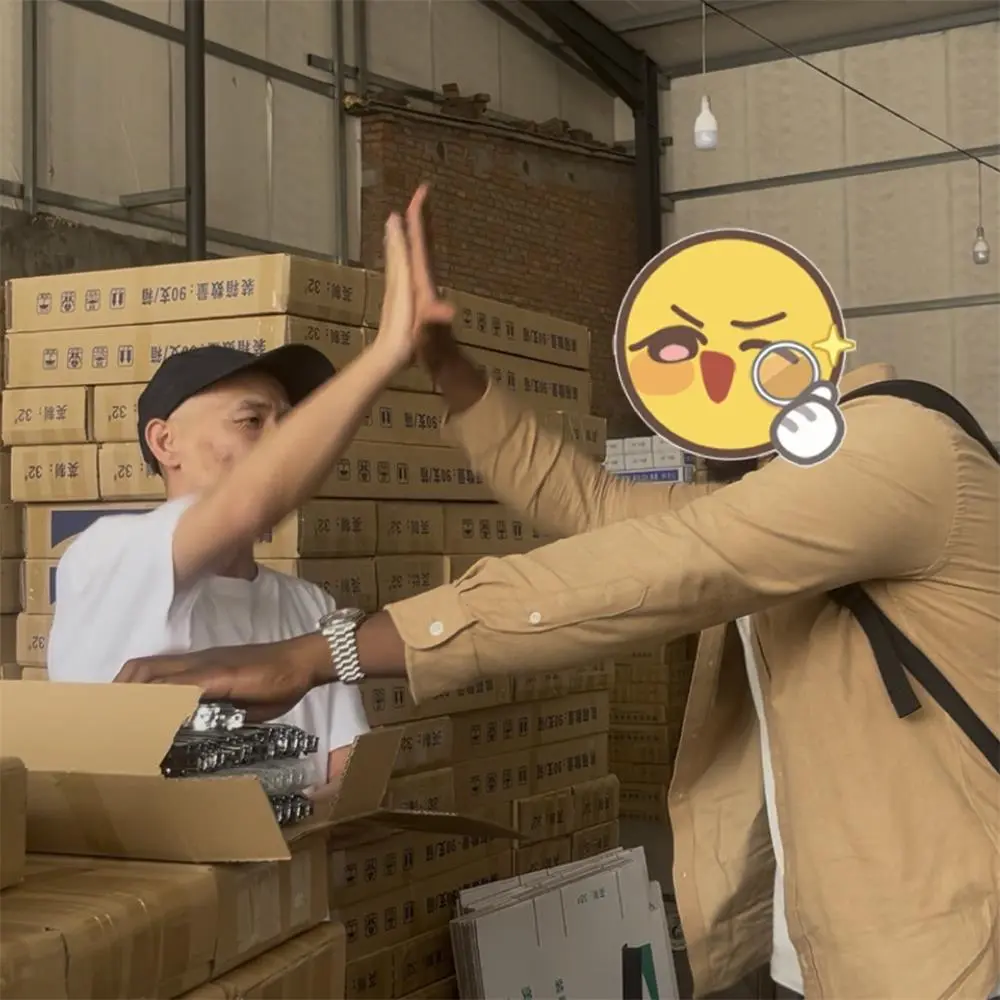
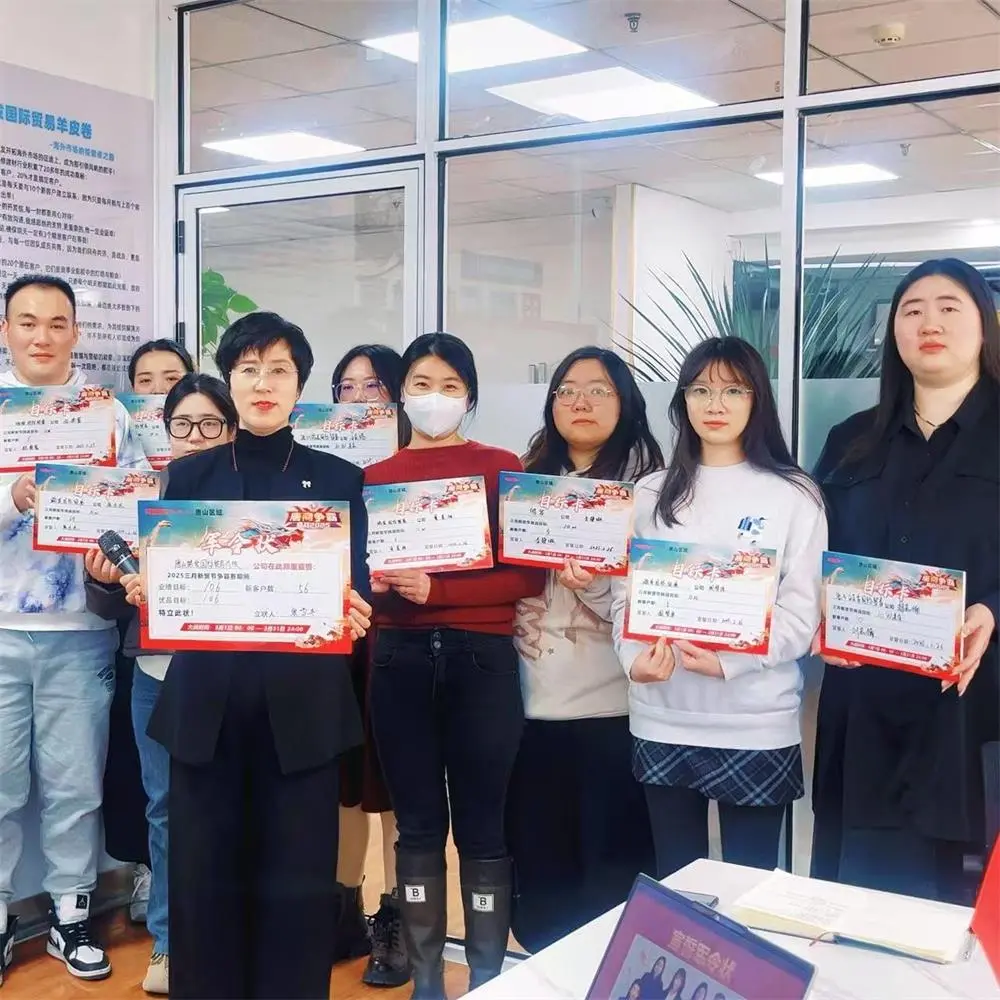
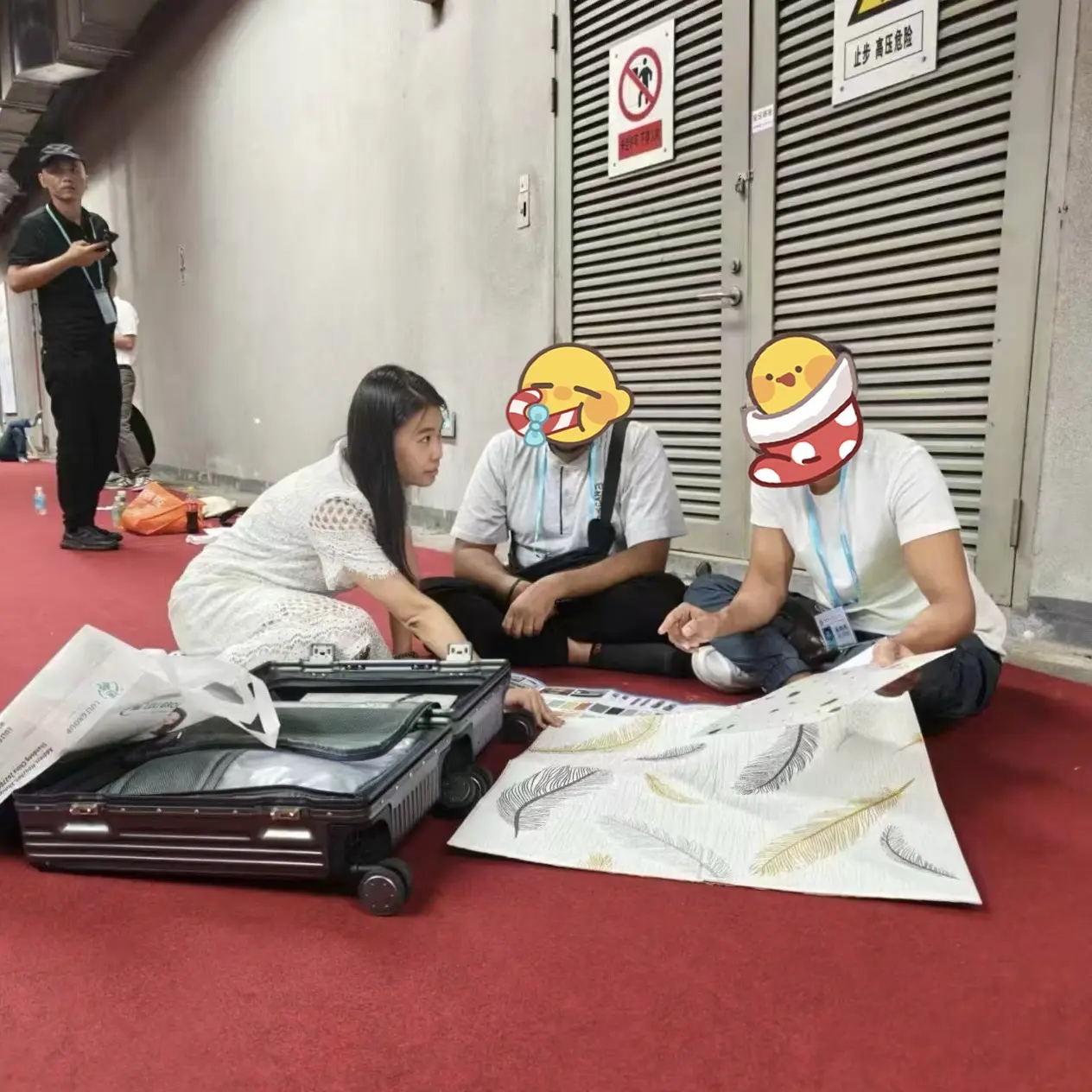
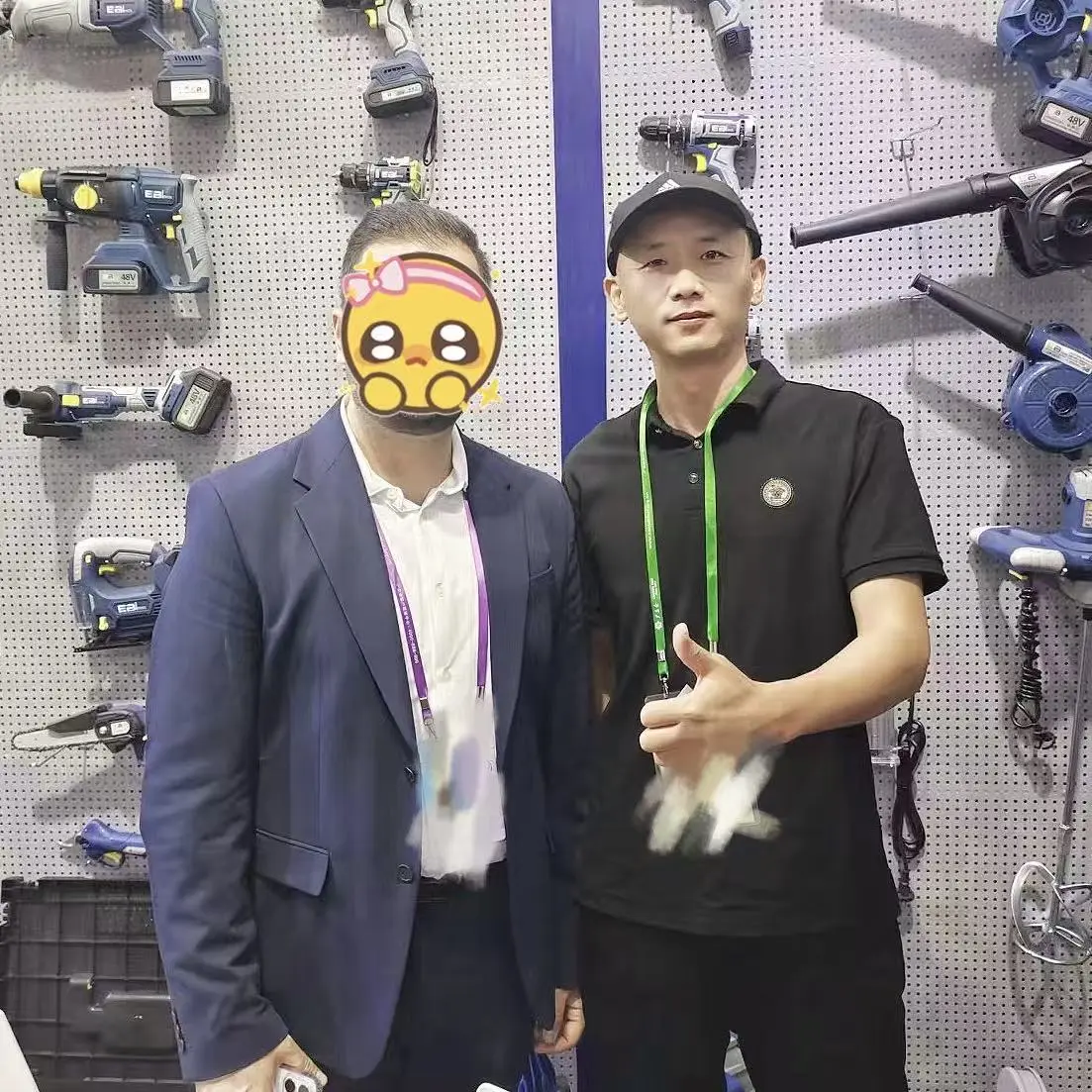
Factory warehousing, domestic exhibitions, and client visits demonstrating our trade activity.

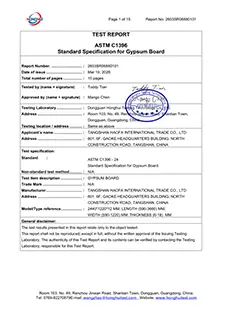
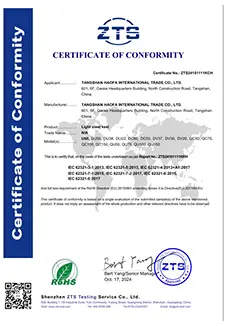
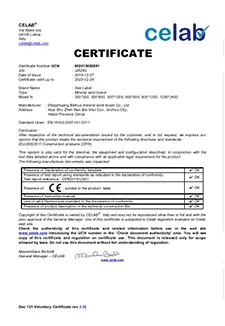
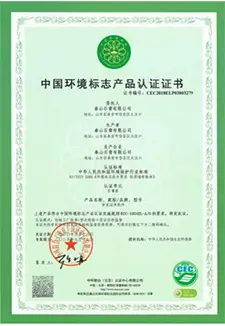
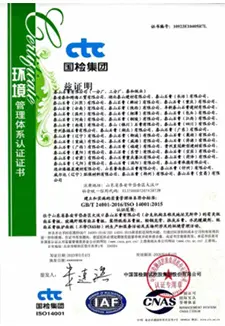
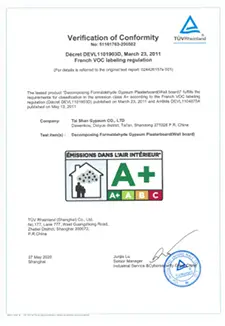
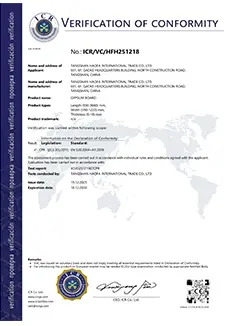
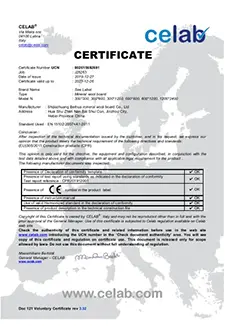
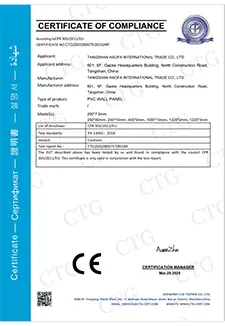
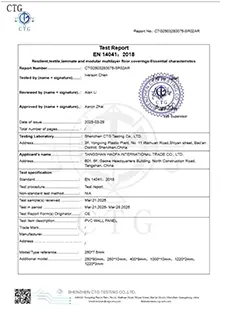
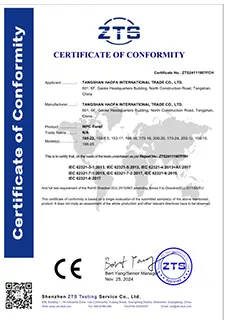
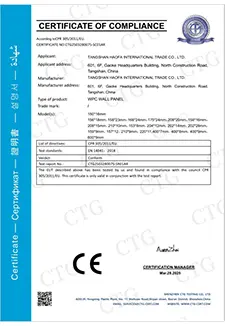
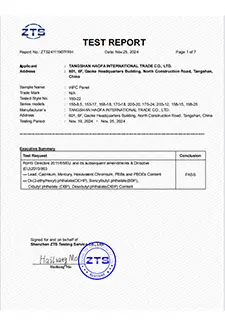
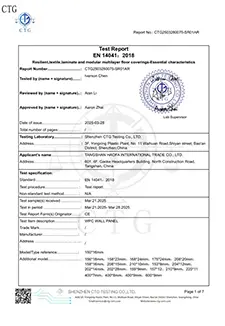
Tested and certified by international laboratories to ensure quality compliance across major jurisdictions.
Our building materials have passed international certifications including CE, ASTM, RoHS, and EN standards, as well as national & international environmental certifications, plus fireproof and moisture-proof industry certifications. As an industry leader, Haofa only delivers premium quality products.
Where composite materials engineering is heading: Green chemistry and micro-cellular structural foams.
The wood-plastic composite industry is transitioning from simple physical compound blending to advanced macromolecular chemical engineering. Key developments include:
Carbon Neutral Production: Utilizing solar-powered extrusion setups across 40% of partnered manufacturing facilities by 2027.
Self-Healing Shell Surfaces: Developing polyurethane-infused capping materials that mend minor scratches under sun heat exposure.
Advanced Smart Click Profiles: Redesigning interlock systems to support toolless, single-person slide installations, cutting labor overhead by 40%.
Expert technical answers regarding structural engineering, trade logistics, and product specifications.
Traditional wood-plastic composite (WPC) is extruded as a single material block, leaving wood fibers exposed to atmospheric moisture, resulting in water absorption, fungal growth, and color fading. Co-extruded WPC features an additional engineering-grade, high-density polymer cap co-extruded around the core under high heat. This provides a 360-degree moisture barrier and protects the core from ultraviolet rays, ensuring the panel does not rot, crack, or fade.
The internal hollow chambers function as air insulation barriers. Because air has low thermal conductivity (approximately 0.026 W/m·K), these pockets restrict heat transfer across the wall system. Acoustically, the chambers break up sound wave transmission paths, reducing localized echo and noise passage, which is why they are frequently used in commercial office partition walls.
Yes. As a comprehensive OEM supply chain provider, we offer complete customization services. We can adjust the core composite formula (e.g., adding extra fire-retardants or UV stabilizers), alter the hollow geometry profile, customize lengths and surface textures, and design branded neutral packaging to suit your local distributor requirements.
Our manufacturing partners operate under ISO 9001 and ISO 14001 guidelines. Our wall panels and ceiling components carry CE markings, conform to EN building safety standards, and have been tested under ASTM frameworks for flame spread indexes and mechanical bending strength. They are also certified RoHS-compliant, verifying they are free from heavy metals and toxic chemical additives.
Through Tangshan Haofa International Trade Co., Ltd., we support flexible trade terms including FOB (Free on Board), CIF (Cost, Insurance, and Freight), EXW (Ex Works), and DDP (Delivered Duty Paid). Our professional logistics and customs declaration team coordinates with shipping lines to ensure all paperwork, declarations, and sea freight bookings are handled efficiently, maintaining our 0% order default rate.
Thanks to the thermoplastic high-density polyethylene (HDPE) matrix and UV stabilizers, these panels maintain mechanical stability across a wide temperature range, typically from -40°C to +60°C. For projects in high-temperature zones (such as the Middle East) or cold regions (such as Northern Europe), we calibrate the expansion gap design recommendations to accommodate natural thermal shifts without buckling.
Select from our certified range of moisture-resistant, lightweight, and decorative architectural systems.
 Haofa
Haofa