 Haofa
Haofa

Philippine Construction Outlook: Drywall Systems & Modern Gypsum Board Market
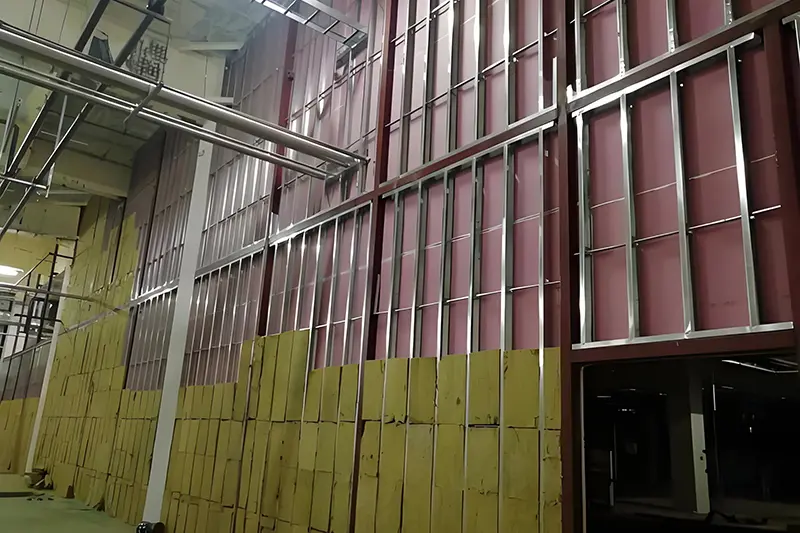
The Philippines is witnessing an unprecedented infrastructure and real estate expansion. Government initiatives, such as the "Build, Better, More" program, alongside a surge in commercial high-rise projects, modern residential subdivisions, and IT-BPO office spaces in Manila, Cebu, and Davao, have accelerated the demand for high-quality building materials. Traditional hollow-block construction is rapidly shifting toward lightweight, cost-effective, and energy-efficient interior partition systems.
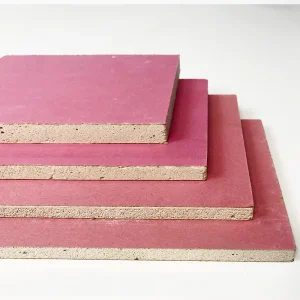
Gypsum boards, commonly referred to as drywall or plasterboard, have emerged as the primary standard for interior walls and ceilings. However, sourcing gypsum products for the Philippine market involves navigating unique localized environmental demands. High relative humidity throughout the wet season, combined with typhoons and frequent seismic activities, requires building systems with high levels of moisture resistance, structural flexibility, and fire rating.
Why Environmental Adaptability is Crucial for Philippine Sourcing
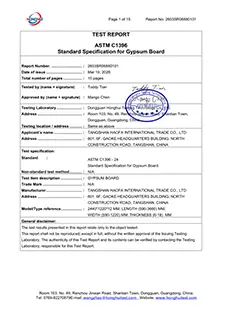
Standard imported plasterboards often fail in tropical climates, leading to warping, sagging, and mold development. Developers and contractors are increasingly specifying panels that feature water absorption rates below 5% (compliant with standard ASTM C1396 requirements). In urban hubs like Bonifacio Global City (BGC) and Ortigas, fire codes demand up to 2-hour fire-rated drywall partition assemblies to ensure high safety standards in dense residential and office developments.